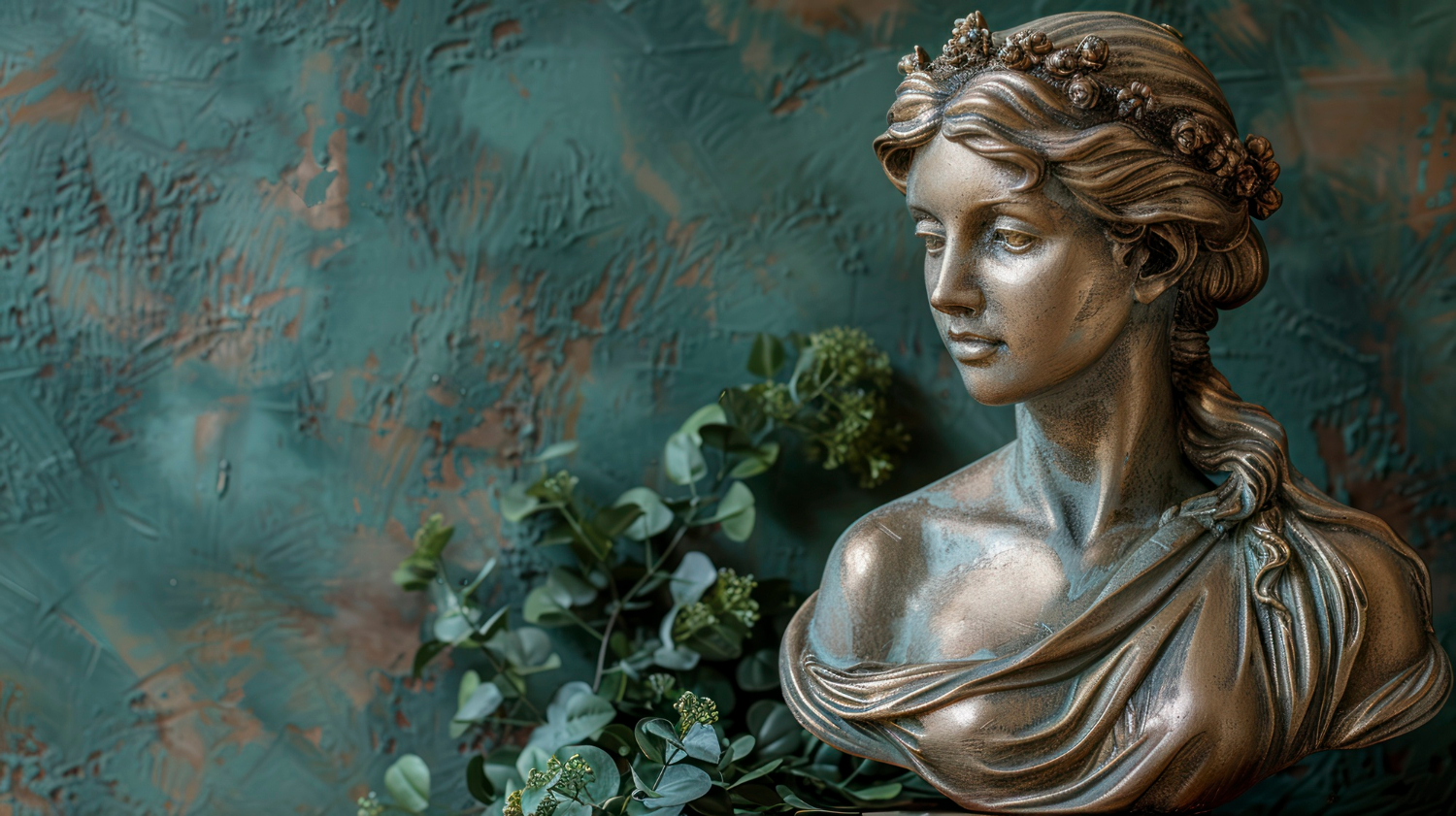
How Gilding in Baroque Art Sculpture Translates to Modern Furnishings
The Baroque period, a time of artistic and architectural flourishing across Europe, established gold as the ultimate signifier of divine light and human power. This opulence was often achieved through gilding—the application of gold leaf—a technique that transformed everyday objects and monumental Baroque art sculpture into dazzling masterpieces.
Today, this aesthetic is foundational to contemporary gilded luxury decor, enriching everything from custom headboards to ornamental mirrors. For the luxury buyer or interior designer, understanding the translation of this historic technique is vital to ensuring lasting quality and authentic appeal.
The Legacy of Gilding in Luxury Decor
Gilding gives modern gilded luxury decor its signature warmth and depth, providing a visual link to historical European grandeur. However, not all gold finishes are created equal. The enduring value of a piece is defined by the material used and the process of application.
1. Gold Leaf vs. Metallic Paints
The key distinction in modern gilded luxury decor lies between genuine gold leaf and metallic paint finishes.
- Genuine Gold Leaf: The artisanal standard inherited directly from Baroque art sculpture. Gold leaf (typically 12k to 24k) is hammered into impossibly thin sheets and applied by hand using specialized techniques like water gilding or oil gilding. This process yields a deep, luminous glow that refracts light softly. It is highly durable and retains its colour permanently.
- Metallic Paint: A contemporary, mass-market solution that uses fine metal powders (often brass or copper alloy) suspended in a binder. While effective for initial shine, metallic paint lacks the depth of gold leaf, often appears too bright or “greenish,” and can dull or tarnish over time.
For true gilded luxury decor, the investment in gold leaf is non-negotiable, offering superior light reflection and permanence.
2. Achieving the Authentic Aged Look
An authentic piece of gilded luxury decor rarely looks brand new. The beauty of historical Baroque art sculpture is its patina—the subtle wear that speaks of time.
- The Distressing Process: To replicate the subtle wear of genuine Baroque antiques, skilled artisans apply a distressing technique. This involves applying a slightly darker glaze (antiquing) over the gold leaf and then carefully wiping it back, settling the pigment into the crevices. This creates the coveted look of age, where the gold appears softly burnished rather than starkly reflective.
By insisting on traditional gold leaf application and sympathetic distressing, modern furnishings can capture the eternal drama and investment-grade quality of classic Baroque art sculpture.