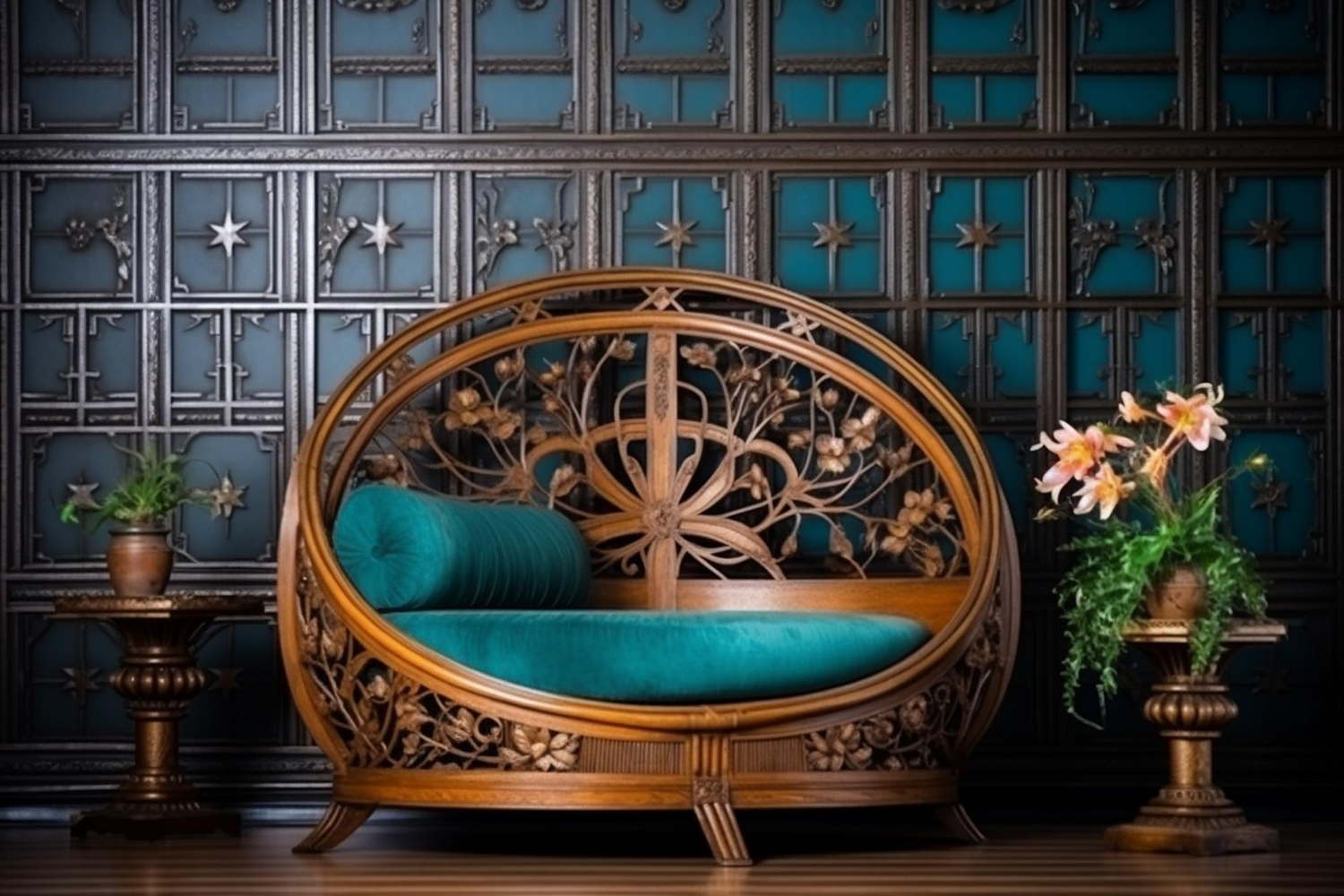
Designing Bespoke Baroque Style Furniture for Unique Spaces
In the world of film and media production, set design demands authenticity and a unique visual narrative. When a scene calls for the dramatic opulence of historical Europe, only tailor-made baroque style furniture can truly capture the required aesthetic. For production designers, prop masters, and art directors, choosing the path of bespoke creation offers unparalleled control over every detail, transforming a concept into a tangible piece of cinematic history.
This is more than procurement; it is collaboration with artisans. We walk through the meticulous manufacturing process that ensures every piece of custom luxury furniture meets the exact specifications of your unique contract brief.
1. From Vision to Blueprint: The Design Sketch
The bespoke journey begins with a precise design brief. A production might require a modified scale to fit a camera angle or a specific historical period (e.g., late 17th-century French vs. early 18th-century Italian baroque style furniture).
- Engineering for Set Use: The initial sketch is refined into technical drawings that address both the aesthetic and the functional demands of a set. Since set pieces often require repeated movement, the construction must be robust, a hallmark of true custom luxury furniture.
2. Wood Selection: The Foundation of Character
The choice of wood dictates the piece’s durability and how the final finish will appear under studio lighting.
- Resilient Species: Hardwoods like solid beech or walnut are preferred. Beech offers a stable, fine grain perfect for holding intricate carving, while walnut lends a darker, richer character, ideal for moody, dramatic scenes requiring authentic baroque style furniture.
3. Hand-Carving: The Signature of Opulence
The defining characteristic of baroque style furniture is its deeply undercut, elaborate carving. In a bespoke process, this is executed entirely by hand to achieve a level of artistry that machine production cannot match.
- Depth and Drama: Artisans sculpt the wood, focusing on achieving a deep relief that will create dramatic chiaroscuro (light and shadow) under cinematic lights. This level of detail is a key feature of custom luxury furniture and ensures visual impact on screen.
4. Custom Patina and Finish: Setting the Scene
The final stage determines the piece’s age and story. For set props, achieving a specific historical look is paramount.
- Patina Application: Whether the piece needs to look newly gilded for a palace scene or distressed and cracked for an abandoned chateau, the patina is customized. Techniques range from pure gold leaf application to specialized antiquing waxes and lacquers that perfectly replicate centuries of authentic wear. This tailored finish ensures the custom luxury furniture aligns perfectly with the director’s vision, cementing the visual authority of the baroque style furniture on screen.
By controlling every stage from the initial blueprint to the final patina, film studios and production houses can acquire custom luxury furniture that is not just a prop, but a meticulously crafted element of storytelling.