The Craftsmanship Behind Luxury Baroque Furniture: What Makes It Worth the Investment
In a world increasingly dominated by fast production and minimalist trends, baroque furniture stands apart as a celebration of artistry, heritage, and timeless grandeur. For discerning homeowners and collectors, investing in baroque style furniture is not merely about acquiring décor—it is about owning a piece of history shaped by master craftsmanship.
Yet many buyers ask a reasonable question: Why does baroque furniture command such premium pricing? The answer lies not in branding or marketing hype, but in the extraordinary level of detail, time, and artisanal expertise behind every curve, carving, and gilded finish.
If you appreciate understanding what you are paying for, this guide will walk you through the craftsmanship, materials, techniques, and finishing processes that justify the investment in luxury baroque furniture.
Understanding the Heritage of Baroque Style Furniture
Before examining craftsmanship, it is important to understand the roots of baroque design. Emerging in 17th-century Europe, the baroque movement was synonymous with opulence, drama, and intricate ornamentation. Royal courts and aristocratic estates embraced elaborate furniture as symbols of power and prestige.
Today’s luxury baroque furniture remains faithful to that heritage. From carved thrones and ornate consoles to tufted baroque sofas and gilded dining sets, the style continues to reflect grandeur and sophistication.
Unlike contemporary mass-produced furniture, authentic baroque style furniture requires an artistic mindset. Every piece is treated as functional art rather than simply a household object.
The Art of Hand Carving: Where True Value Begins
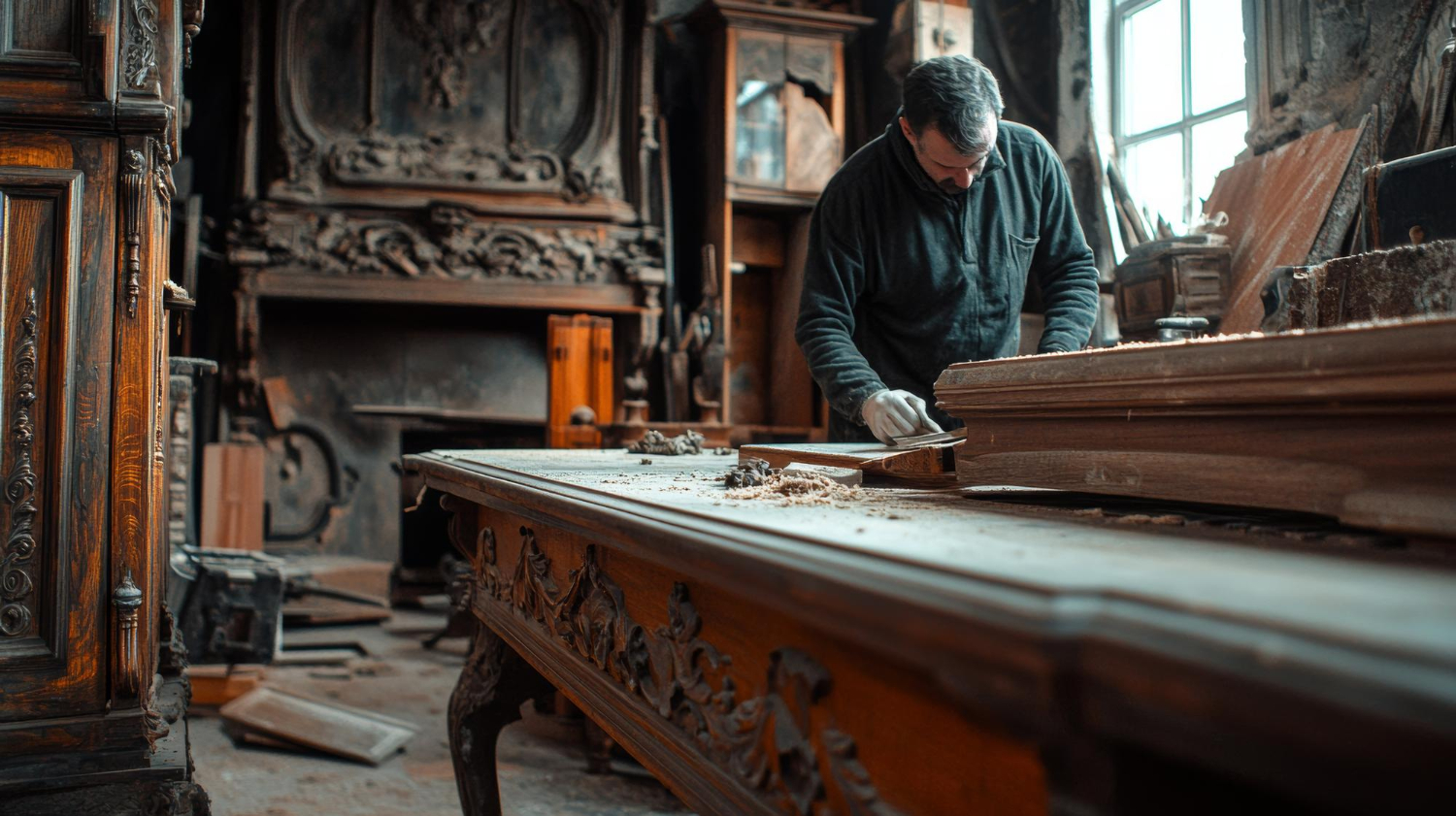
One of the defining characteristics of premium baroque furniture is hand carving. This is where craftsmanship truly reveals itself.
1. Solid Wood Foundations
Authentic baroque furniture typically begins with high-quality hardwoods such as mahogany, walnut, or beechwood. These woods are selected for their density, durability, and ability to hold detailed carvings.
Mass-produced alternatives often rely on engineered wood or veneers. In contrast, luxury baroque pieces use solid wood frames that can last generations.
2. Intricate Motifs and Details
Hand carving is not a mechanical process. Skilled artisans spend hours, sometimes weeks, shaping elaborate scrolls, floral motifs, acanthus leaves, shells, and cherubs into the wood. Each detail must flow seamlessly into the next.
Because these carvings are done manually, no two pieces are ever perfectly identical. That uniqueness enhances their artistic and collectible value.
3. Time Investment
Carving a single armrest or crown crest can take several days of meticulous work. Larger statement pieces, such as a baroque bed frame or grand dining table, may require months to complete.
When buyers understand the sheer labor involved, the premium pricing begins to make sense.
Premium Materials That Define Luxury Baroque Furniture
Beyond carving, materials play a significant role in determining quality and longevity.
Upholstery Excellence
Baroque style furniture is known for luxurious upholstery. Velvet, silk blends, jacquard fabrics, and premium leather are commonly used to create plush seating surfaces.
Button tufting, deep padding, and hand-stitched details ensure both comfort and durability. High-density foam combined with traditional spring systems enhances structural integrity while maintaining classic aesthetics.
Gold and Silver Leaf Finishing
One of the most iconic features of luxury baroque furniture is gilding. Genuine gold leaf or silver leaf is applied by hand to carved surfaces, creating a luminous finish.
This process requires multiple stages:
- Surface preparation and smoothing
- Application of adhesive sizing
- Careful placement of delicate metal leaf
- Burnishing and sealing for durability
It is an art form in itself, demanding patience and precision.
Marble and Decorative Accents
Baroque consoles and side tables often feature marble tops. Natural stone adds both durability and visual contrast to intricate wooden bases. The combination of solid wood and stone elevates the piece beyond decorative furniture into heirloom territory.
The Finishing Process: Where Craft Becomes Mastery
Finishing is what transforms carved wood into refined baroque furniture worthy of luxury interiors.
Multi-Layer Polishing
Unlike factory spray finishes, baroque pieces undergo layered polishing techniques. Each coat is applied carefully, sanded, and reapplied to achieve depth and richness.
This layered method protects the wood while enhancing the carved details.
Antique Patina Effects
Some pieces feature intentional aging or patina treatments. This is not artificial wear—it is a specialized finishing technique designed to mimic the elegance of antique baroque furniture.
The result is depth, warmth, and historical character.
Quality Control
High-end baroque furniture workshops maintain rigorous inspection standards. Every joint, carving edge, and upholstery seam is examined before approval.
This commitment to detail ensures structural longevity and aesthetic perfection.
Structural Integrity: Built to Last Generations
Beyond aesthetics, structural craftsmanship distinguishes true luxury baroque furniture.
- Mortise and tenon joinery strengthens frames.
- Reinforced corner blocks enhance stability.
- Hand-assembled frameworks prevent long-term warping.
Unlike modern flat-pack furniture, which may last a few years, well-crafted baroque style furniture can endure decades, even centuries, with proper care.
This long lifespan significantly improves its cost-per-year value.
The Investment Perspective: More Than Just Furniture
Luxury buyers often consider return on investment. While furniture is typically not seen as a financial asset, premium baroque furniture can retain or increase value over time, especially handcrafted and limited-edition pieces.
Heirloom Potential
Because of its durability and timeless appeal, baroque furniture is frequently passed down through generations. Its classical aesthetic does not follow fleeting trends, ensuring continued relevance.
Elevated Interior Impact
Baroque style furniture creates a focal point instantly. A single carved console or tufted baroque sofa can redefine an entire room, reducing the need for excessive additional décor.
Emotional and Experiential Value
There is also intangible value in owning handcrafted art. Knowing that a piece was shaped by skilled artisans rather than mass production adds a sense of pride and connection.
Why Luxury Baroque Furniture Justifies Its Price
When evaluating the cost of baroque furniture, consider what you are truly paying for:
- Solid hardwood frames
- Hand-carved ornamental details
- Premium upholstery materials
- Genuine metal leaf gilding
- Multi-stage finishing techniques
- Structural joinery designed for longevity
- Skilled artisan labor
Each of these components contributes to durability, artistry, and exclusivity.
In comparison, lower-priced alternatives often sacrifice carving precision, use synthetic finishes, or rely on mass-manufactured frames. While they may replicate the look, they rarely replicate the craftsmanship.
Choosing the Right Baroque Furniture for Your Space
If you are considering investing in baroque style furniture, keep these factors in mind:
- Verify the material quality—solid wood over composite.
- Examine carving depth and symmetry.
- Ask about finishing methods and gilding techniques.
- Consider scale—baroque furniture thrives in spacious interiors.
- Choose pieces that align with your long-term design vision.
The right selection will not only enhance your interior but also serve as a lasting statement of refined taste.
Conclusion: Craftsmanship That Transcends Trends
The true value of baroque furniture lies in craftsmanship, heritage, and longevity. From hand-carved hardwood frames to layered finishes and intricate gilding, each step in its creation reflects dedication and artistry.
Investing in baroque style furniture is not about indulgence—it is about choosing quality over convenience and timeless design over temporary trends. When you understand the hours of carving, the premium materials, and the structural integrity involved, the investment becomes clear.
Luxury is not defined by price alone. It is defined by craftsmanship that endures, artistry that captivates, and furniture that tells a story.
If you are seeking interiors that embody grandeur and lasting elegance, baroque furniture remains one of the most distinguished choices you can make.