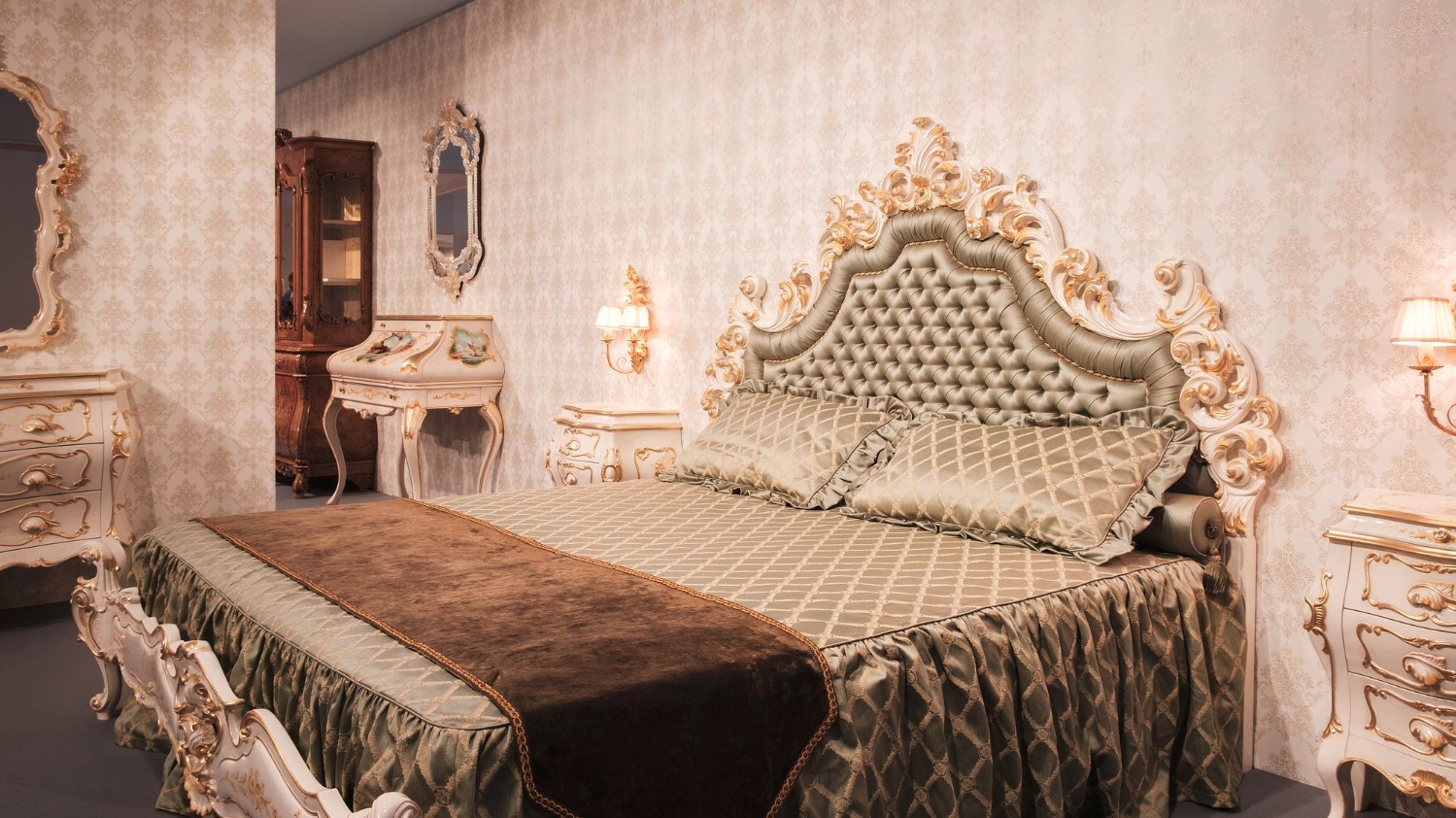
Baroque Headboards: Artistry in Comfort – Why Luxury Suites Are Embracing Ornate Sleep
In an age of flat-pack furniture and sterile minimalism, one design movement refuses to fade: the baroque headboard. It is not merely a piece of bedroom furniture. It is a statement, a hand-carved promise that comfort and artistry can coexist. Walk into any five-star hotel suite in Paris, Vienna, or Rome, and you will likely see one. But what makes the baroque style bed so irresistible to luxury designers and homeowners alike? The answer lies in three things: craftsmanship, tufted depth, and unapologetic drama.
This blog explores how the baroque headboard evolved from palace chambers into today’s most coveted bedroom centerpiece—and why you might want one above your own bed.
Part 1: What Exactly Is a Baroque Headboard?
Before diving into styling, let’s define the term. A baroque headboard draws from the 17th-century European Baroque period—think Louis XIV, Versailles, and theatrical grandeur. Key characteristics include:
-
Ornate wood carving (acanthus leaves, scrolls, floral motifs)
-
High, imposing silhouette (often 150–180 cm tall)
-
Gilded, silvered, or dark lacquered finishes
-
Tufted or buttoned upholstery (velvet, silk, or high-end linen)
-
Crowned or arched top (sometimes with a central crest)
Unlike a standard bed, a baroque style bed commands the room. It is the first thing you see when you enter and the last thing you touch before sleep.
“A baroque headboard is to a bedroom what a chandelier is to a dining hall—it defines the entire atmosphere.” — Elena Rossi, luxury interior designer, Milan
Part 2: The Craftsmanship Behind the Curves
Mass production cannot replicate a true baroque bed frame. Here is why craftsmanship matters.
Hand-Carved Wood vs. Moulded Polyurethane
Authentic baroque headboards begin with solid wood—walnut, mahogany, or oak. Master carvers spend 40 to 80 hours hand-sculpting each scroll and leaf. Modern replicas use polyurethane moulds, but the difference is visible: real carving catches light differently, creating shadows that change throughout the day.
The Art of Tufted Headboard Styling
Tufting is not decorative—it is structural. In a baroque headboard, deep button tufting (often diamond or biscuit pattern) serves two purposes:
-
Acoustic comfort – The padded surface absorbs sound, making a large bedroom feel quieter.
-
Visual rhythm – Rows of buttons break up the massive scale, preventing the headboard from feeling overwhelming.
High-end luxury suites use hand-tufted velvet with brass or crystal buttons. Each button is individually attached through layers of foam and batting—a process that can take two days for a king-sized piece.
Finish Options for Modern Tastes
While traditional baroque style beds featured heavy gilding, contemporary versions offer:
-
Matte black (dramatic but modern)
-
White or cream lacquer (palace-core without the weight)
-
Silver leaf (cooler than gold, works with grey bedrooms)
-
Dark walnut (old-world masculine)
Part 3: Why Tufted Headboard Styling Defines Luxury Suites
Have you noticed that high-end hotels rarely use flat, plain headboards? There is a psychological reason. Tufted baroque headboards trigger a sense of enclosure and safety—like being inside a jewel box.
The Psychology of Deep Buttoning
When you lean against a deeply tufted baroque headboard, the surface yields gently but does not flatten completely. That resistance mimics the feeling of being held. Hotel designers exploit this to make guests fall asleep faster and feel more pampered.
Case Study: The St. Regis Rome
The St. Regis Rome’s Imperial Suite features a custom baroque bed frame in burgundy velvet with over 300 crystal-tipped tufts. According to their design notes, the headboard alone cost €18,000 and took six artisans three weeks to complete. Guest reviews consistently mention “the most comfortable headboard I have ever leaned against.”
Part 4: How to Style a Baroque Headboard in Your Own Bedroom
You do not need a palace to enjoy a baroque style bed. Here is a practical guide for modern homes.
1. Scale Matters Most
A baroque headboard needs height to breathe. Do not place it under a low ceiling. Ideal ceiling height: 2.7 meters or more. For standard 2.4-meter ceilings, choose a headboard no taller than 1.4 meters.
2. Balance with Minimal Bedding
Let the baroque headboard be the star. Use plain white or cream duvets, matte cotton sheets, and no more than two throw pillows. Patterns compete with the headboard’s carving and tufting.
3. Lighting is Critical
Install wall sconces on either side of the baroque bed frame rather than table lamps. Sconces highlight the vertical lines and cast dramatic shadows on the tufting. Avoid overhead spotlights—they flatten the depth.
4. Color Palettes That Work
-
Classic: Burgundy velvet + gold leaf + cream walls
-
Modern: Charcoal grey tufting + silver leaf + dusty pink accents
-
Bold: Emerald green velvet + dark walnut frame + brass hardware
-
Minimalist: White lacquered carving + natural linen tufting + beige walls
5. Pair with the Right Bed Frame
The baroque headboard is often attached to a simpler baroque bed frame—typically a low-profile wooden base with curved legs. Avoid sleigh beds or overly ornate footboards, or the room becomes a museum.
Part 5: Baroque vs. Rococo vs. Neoclassical – Know the Difference
Many people confuse baroque style beds with later movements. Here is a quick cheat sheet:
| Feature | Baroque | Rococo | Neoclassical |
|---|---|---|---|
| Headboard shape | High, arched, heavy | Asymmetrical, shell-topped | Rectangular, straight |
| Tufting pattern | Deep diamond | Loose, shallow buttons | Minimal or none |
| Wood finish | Gilt or dark lacquer | White and pastel | Polished mahogany |
| Best for | Masculine, dramatic suites | Feminine, whimsical rooms | Symmetrical, orderly spaces |
For a true baroque headboard, always choose deep carving, a tall silhouette, and rich, saturated upholstery.
Part 6: Where to Buy or Commission a Baroque Headboard
Because true baroque bed frames require craftsmanship, avoid mass-market retailers. Instead:
-
Antique dealers – France, Italy, and Belgium have the best stock. Expect to restore upholstery.
-
Reproduction workshops – Companies like Casa Padrino, Luxury Group International create custom pieces.
-
Local woodcarvers – Commission a headboard from a theater-set carpenter or architectural woodcarver. Surprisingly affordable outside major cities.
Budget guide:
-
Mass-produced polyurethane replica: €600 – €1,500
-
Hand-carved wood + machine-tufted: €2,500 – €5,000
-
Fully hand-carved + hand-tufted velvet + gold leaf: €8,000 – €20,000+
Part 7: Caring for Your Baroque Headboard
Tufted baroque headboards require specific care:
-
Vacuum tufts monthly using a soft brush attachment (dust collects in button crevices)
-
Rotate your mattress without pulling on the headboard’s lower edge
-
Avoid leaning with wet hair (moisture stains velvet permanently)
-
Every two years – Hire an upholstery cleaner to deep-clean between buttons
For carved wood sections, dust weekly with a microfiber cloth. Apply beeswax polish twice a year—never silicone spray.
Conclusion: More Than a Headboard, an Heirloom
A baroque headboard is not a trend. It is an investment in daily pleasure. Every night, as you prop yourself against deep tufting and run your hand over carved scrolls, you participate in a 400-year-old conversation between comfort and art. Luxury suites understand this. Now, your bedroom can too.
So go ahead. Ignore the minimalist rulebook. Choose the baroque style bed that makes your heart beat faster. After all, you spend one-third of your life in bed. Why not spend it inside a masterpiece?