Hand-Carved Baroque Dining Tables: The 2026 Design Obsession Keeping Artisans Busier Than Ever
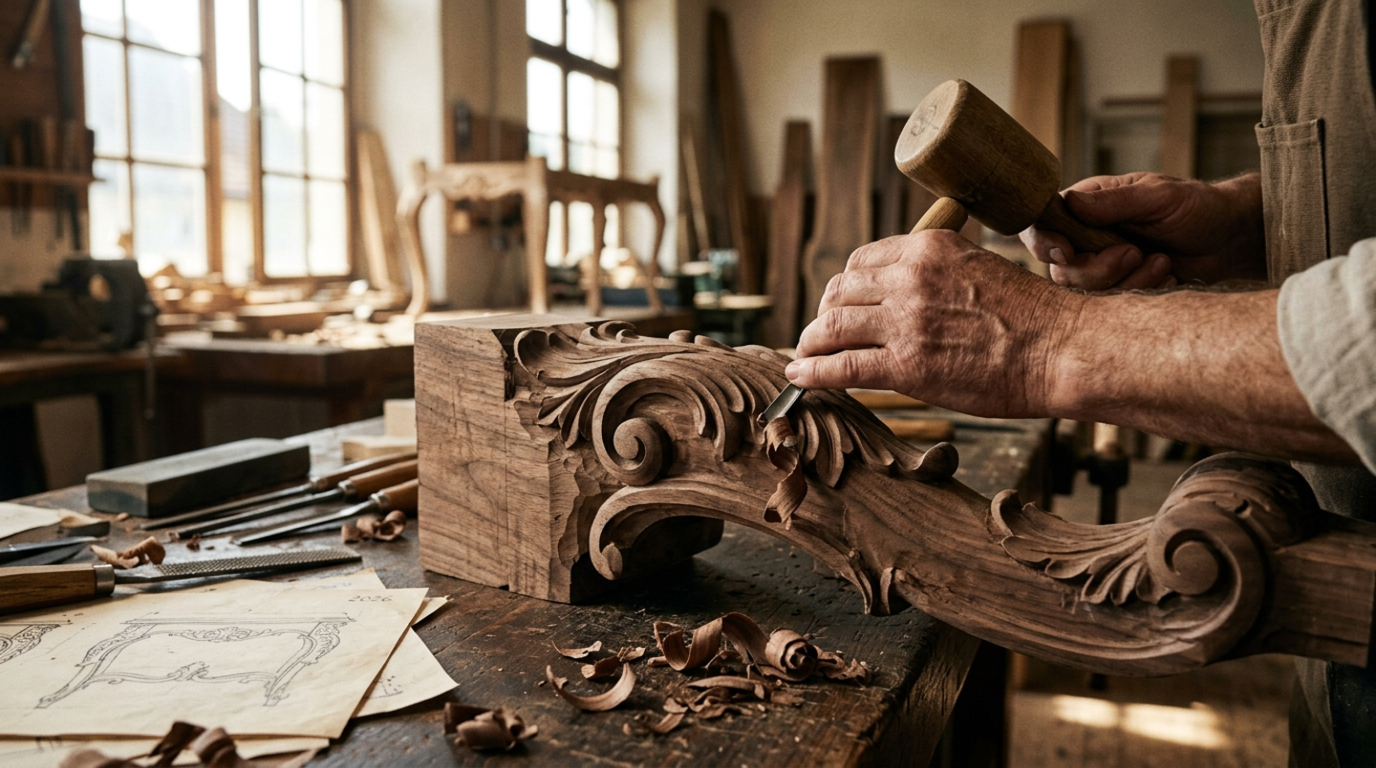
In the heart of Europe’s grand estates and five-star hotels, a quiet revolution is unfolding. While the world races toward sleek minimalism and AI-generated designs, discerning luxury shoppers are rediscovering the soul-stirring drama of a true baroque dining table. Not the mass-produced imitations flooding catalogues, but authentic hand carved dining tables born from weeks of chisels, mallets, and centuries-old Italian or French techniques.
As we step into 2026, Europe’s leading artisans report waitlists stretching 12–24 months. Commissions for artisan baroque tables have surged, driven by a renewed hunger for pieces that whisper heritage, sustainability, and unmistakable presence. Whether anchoring a private palazzo in Tuscany, a Michelin-starred hotel dining room in Paris, or a contemporary luxury home in London’s Mayfair, these carved wood dining tables 2026 are more than furniture—they are heirlooms in the making.
The Timeless Drama of a Baroque Dining Table
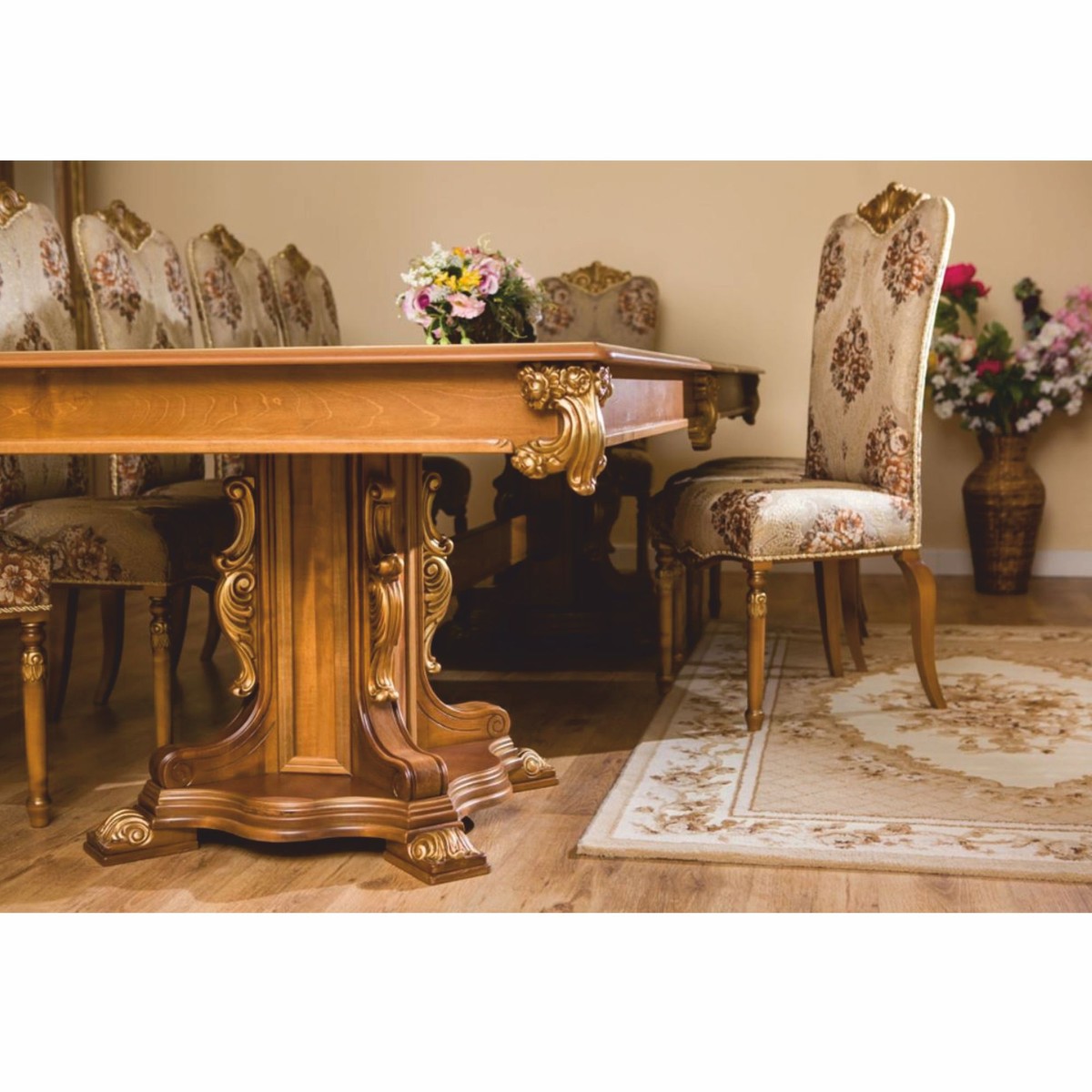
Baroque style emerged in 17th-century Italy and France as an explosion of movement, emotion, and opulence. Think sweeping scrolls, acanthus leaves, cherubs, and gilded flourishes that catch candlelight like living sculpture. A baroque dining table transforms an ordinary meal into theatre. The thick, solid walnut or oak top rests on legs that seem to dance—curved, carved, and undercut so deeply that they appear weightless yet remain rock-solid.
Unlike flat-pack alternatives, every curve tells a story of human hands. European buyers, especially those furnishing luxury hotels or private residences, understand this instinctively: a hand carved dining table doesn’t just seat guests; it elevates the entire space into a work of art worthy of Versailles.
Why Hand-Carved Beats Machine Perfection Every Time
Mass-produced “baroque-style” pieces may look convincing in photos, but stand beside a genuine artisan baroque table and the difference is visceral. Machine carving lacks undercuts, depth, and the subtle imperfections that give wood life. Hand carving allows the artisan to respond to the grain, adjusting depth and shadow in real time.
The result? A carved wood dining table that feels alive—warm to the touch, responsive to light, and built to last generations. In 2026, with sustainability top-of-mind for Europe’s luxury clientele, these pieces win on ethics too: traceable European hardwoods, zero-waste craftsmanship, and zero reliance on plastic finishes or cheap imports.
Spotlight on the Masters: Two Artisans Defining 2026’s Baroque Revival
No story about baroque tables is complete without meeting the people behind them. Here are two masters whose workshops are booked solid this year.
Dimitrios Klitsas – Master of French Baroque Drama Based in Massachusetts but commissioned by European clients worldwide, Klitsas is one of the few carvers still mastering the swooping lines of Louis XIV-era furniture. In a recent interview-style reflection on his process, he shared: “The piece is an expression of the patron, not the artist… The client will have to live with it their whole life. To make them happy it needs to come from the heart.”
One of his signature projects—a French Baroque dining table in basswood—took twenty months of deliberate carving with rest periods “to allow the artist and the work to absorb the changes.” He explains the challenge: “Carved work emerges in three dimensions… The painstaking undercutting multiplies these vantage points and helps to give the work an active, living presence.” Clients who have waited report that the wait itself becomes part of the luxury story.
Maurizio Betti – Keeper of Italian Tradition in Santarcangelo di Romagna In his family workshop La Bottega di Betti, Maurizio continues a post-war legacy of lacquering, gilding, and hand-decorated furniture for historic villas. Awarded Maestro d’Arte e Mestiere by Fondazione Cologni, he creates bespoke pieces using rare ancient techniques. In his own words: “I was constantly looking to be one step ahead… by creating something more difficult and truly unique… using rare and ancient techniques.”
Working with son Jonathan and partner Loredana Cangini, Betti restores period furnishings and crafts new “lacquered and finely decorated furniture” for clients who value nature-inspired beauty. “Curiosity, years of work on site, the observation of beauty in nature… ensure that we never lack ideas.” His commissions for ornate dining pieces reflect the same patience that defines true hand carved dining table artistry.
The Waitlist Reality: Patience Is the Ultimate Luxury in 2026
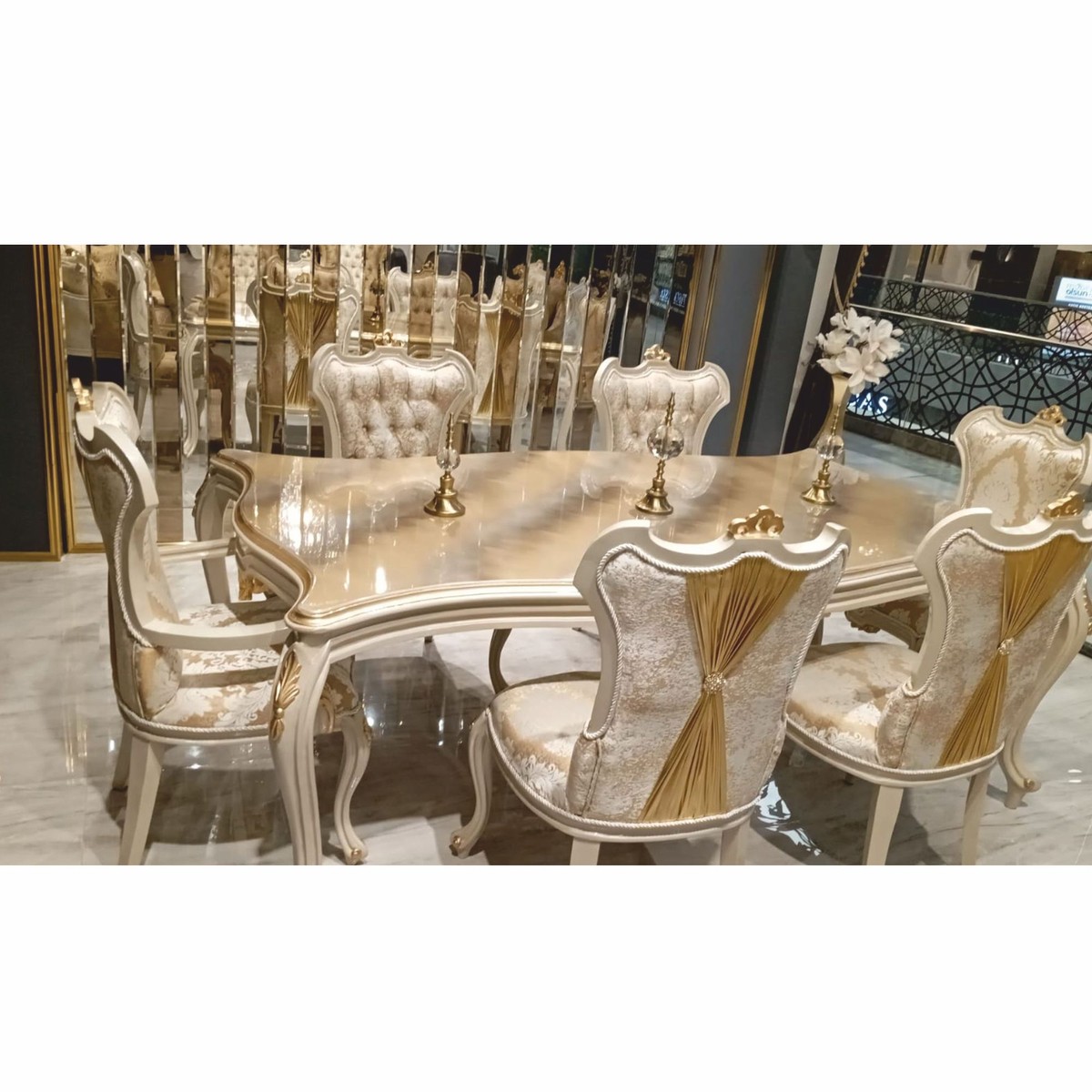
Here’s the truth luxury shoppers in Europe are embracing: a genuine baroque dining table cannot be rushed. From initial sketches and wood selection to final gilding and finishing, a single piece often demands 6–20 months. Workshops like those of Klitsas and Betti deliberately limit output to protect quality.
Yet demand is exploding. Europe’s luxury furniture market is projected to reach €26.7 billion by 2032, with handcrafted Baroque revival pieces leading the charge. In 2026, Gen Z and millennial inheritors of family estates, alongside hotel groups seeking signature experiences, are willing to wait—because nothing else delivers the same emotional impact.

Ideal for Luxury Hotels, Private Estates & Grand Homes
Imagine this artisan baroque table in situ:
- Luxury hotels: A 12-seater walnut masterpiece in a Paris palace hotel instantly becomes the Instagram-worthy centrepiece for private dinners.
- Private places: In a Tuscan villa or London townhouse, it anchors family gatherings that span generations.
- Luxury homes: Paired with matching carved chairs and a crystal chandelier, it creates the ultimate entertaining space.
These tables suit spaces where drama and durability matter—solid construction supports heavy marble tops or intricate inlays while the carvings remain crisp for centuries.
How to Commission Your Own Hand-Carved Baroque Masterpiece
- Start with a direct conversation with the artisan (skip middlemen for authenticity).
- Share your vision—room dimensions, wood preference (walnut, oak, lime), and any personal motifs.
- Approve detailed drawings and a small-scale model.
- Prepare for the journey: 8–20 months of anticipation, regular updates, and finally delivery and installation.
European buyers often fly to the workshop for the first meeting—turning the commission into a cultural experience.
The 2026 Baroque Renaissance Is Here
In an age of instant everything, the slow beauty of a hand carved dining table feels revolutionary. Artisans are busier than ever because Europe’s most discerning clients have remembered what matters: pieces made with heart, history, and human hands.
Ready to bring timeless opulence to your table? Reach out to a master carver today. Your future baroque dining table—and the stories it will host—is worth every month of waiting.