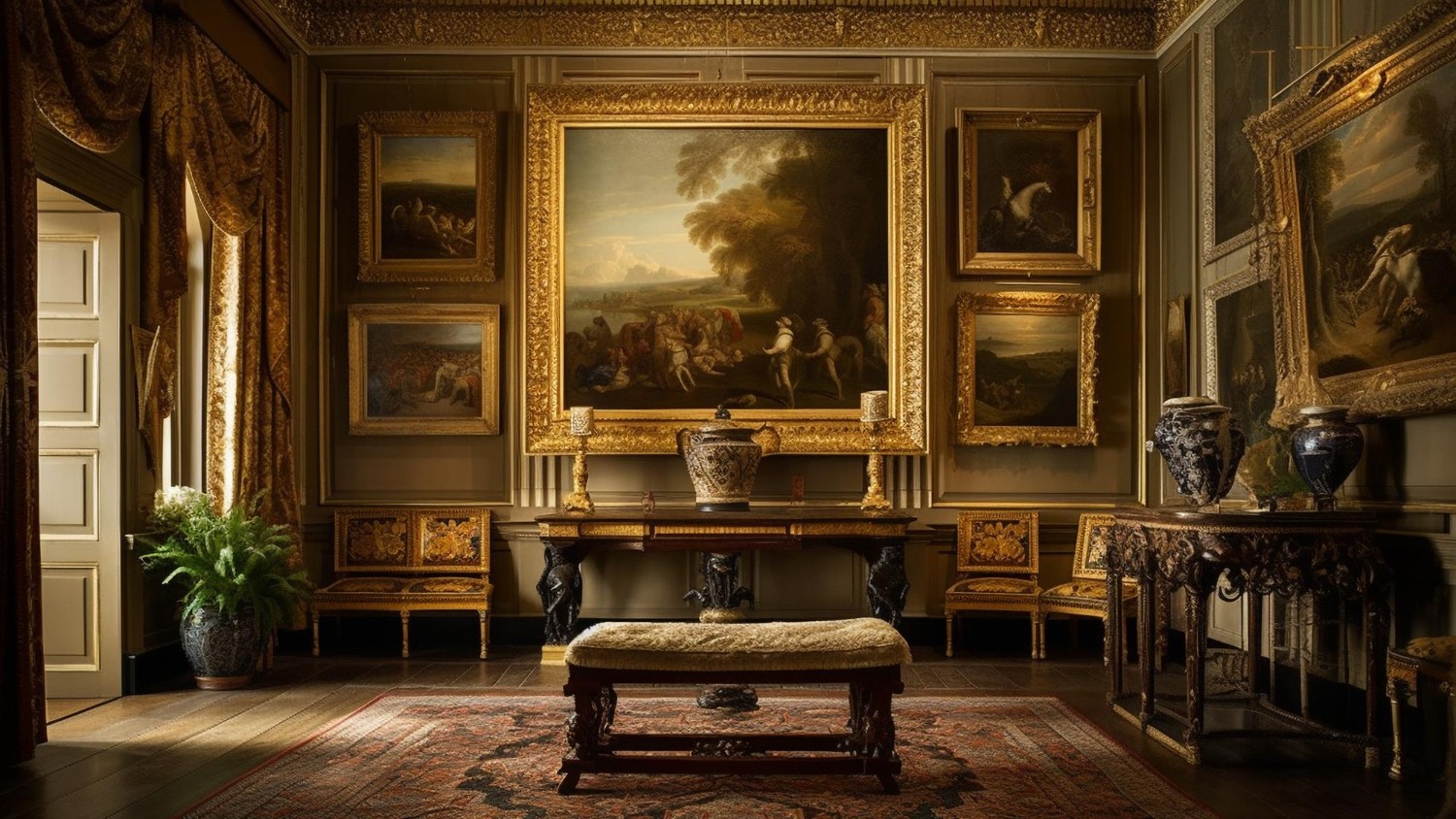
How Baroque Style Furniture Transforms Interiors into Timeless Luxury
Baroque style furniture has an almost magnetic effect. Even for readers who don’t usually gravitate toward ornate design, something about its presence sparks curiosity. Why does it feel so powerful? How does it instantly elevate a room? And most importantly—how can it be used today without making a space feel outdated?
This guide explores how baroque style furniture works, why it continues to fascinate luxury homeowners, and how to use it intelligently in modern interiors.
How Baroque Furniture Creates Instant Visual Authority
Baroque furniture was originally designed for European palaces, where interiors needed to communicate power and permanence. That intent still shows today. Large proportions, curved silhouettes, and deeply carved frames naturally draw the eye and establish hierarchy within a space.
When placed correctly, baroque furniture gives a room structure. A carved sofa defines the living area. An ornate dining table anchors the space. Even a single baroque chair can command attention in a minimalist setting. This visual authority is what makes baroque furniture so compelling—it doesn’t ask for attention, it owns it.
How Craftsmanship Shapes the Baroque Experience
One of the most intriguing aspects of baroque style furniture is its craftsmanship. Unlike mass-produced modern furniture, baroque pieces rely on depth, texture, and hand-finished details.
Carved scrolls, floral motifs, and gilded accents are not surface decorations—they are structural elements of the design. This depth creates shadows and highlights that change throughout the day, giving the furniture a living, sculptural quality. The more you look, the more details you notice, which keeps the design engaging over time.
This is where curiosity turns into appreciation. Baroque furniture rewards close attention.
How Baroque Furniture Works in Modern Homes
A common misconception is that baroque style furniture only belongs in traditional or classical interiors. In reality, modern luxury homes often benefit the most from it.
In contemporary villas and penthouses, baroque furniture is used selectively. Clean walls, neutral colour palettes, and open layouts act as a backdrop, allowing ornate pieces to stand out without overwhelming the space. This contrast creates a curated, gallery-like effect that feels intentional rather than decorative.
The key is restraint. One or two statement pieces often have more impact than a fully baroque room.
How to Choose the Right Baroque Pieces
Choosing baroque style furniture is less about filling space and more about defining it. Start by identifying areas that feel visually empty or lack character. Entry halls, formal living rooms, and master bedrooms are ideal locations.
Scale matters. Larger rooms can accommodate bold designs with elaborate carving, while smaller spaces benefit from slimmer silhouettes with refined detailing. Finishes such as antique gold, soft metallics, or muted tones help integrate baroque furniture into a wider range of interior styles.
How Baroque Furniture Stands the Test of Time
Perhaps the most fascinating aspect of baroque furniture is its longevity. Trends come and go, but baroque design remains relevant because it is rooted in artistry rather than fashion.
High-quality baroque furniture ages gracefully. Over time, it gains character instead of losing relevance. For luxury homeowners and designers, this makes it a long-term investment rather than a temporary design choice.
Final Thoughts
Baroque style furniture continues to captivate because it engages both the eye and the imagination. It tells a story of heritage, craftsmanship, and confidence—while still adapting effortlessly to modern living.
When chosen and placed thoughtfully, baroque furniture doesn’t just decorate a space. It transforms it, leaving a lasting impression that feels rich, intentional, and unmistakably luxurious.