The Psychology of Baroque Design: Why Ornate Furniture Feels Powerful and Comforting
Luxury is not only something we see—it is something we feel. Few design styles demonstrate this more clearly than baroque furniture. With its dramatic curves, rich ornamentation, and commanding presence, baroque design has endured for centuries, not simply as an aesthetic choice, but as an emotional one. From grand palaces to refined modern interiors, luxury baroque furniture continues to evoke power, security, and comfort at a deeply psychological level.
Understanding why we are drawn to baroque design reveals how furniture influences mood, perception, and emotional well-being.
Baroque Design and the Psychology of Power
Baroque design emerged in 17th-century Europe as a visual language of authority, prestige, and permanence. Its scale was intentional. Oversized proportions, sculptural silhouettes, and bold symmetry communicated control and dominance—qualities historically associated with stability and leadership.
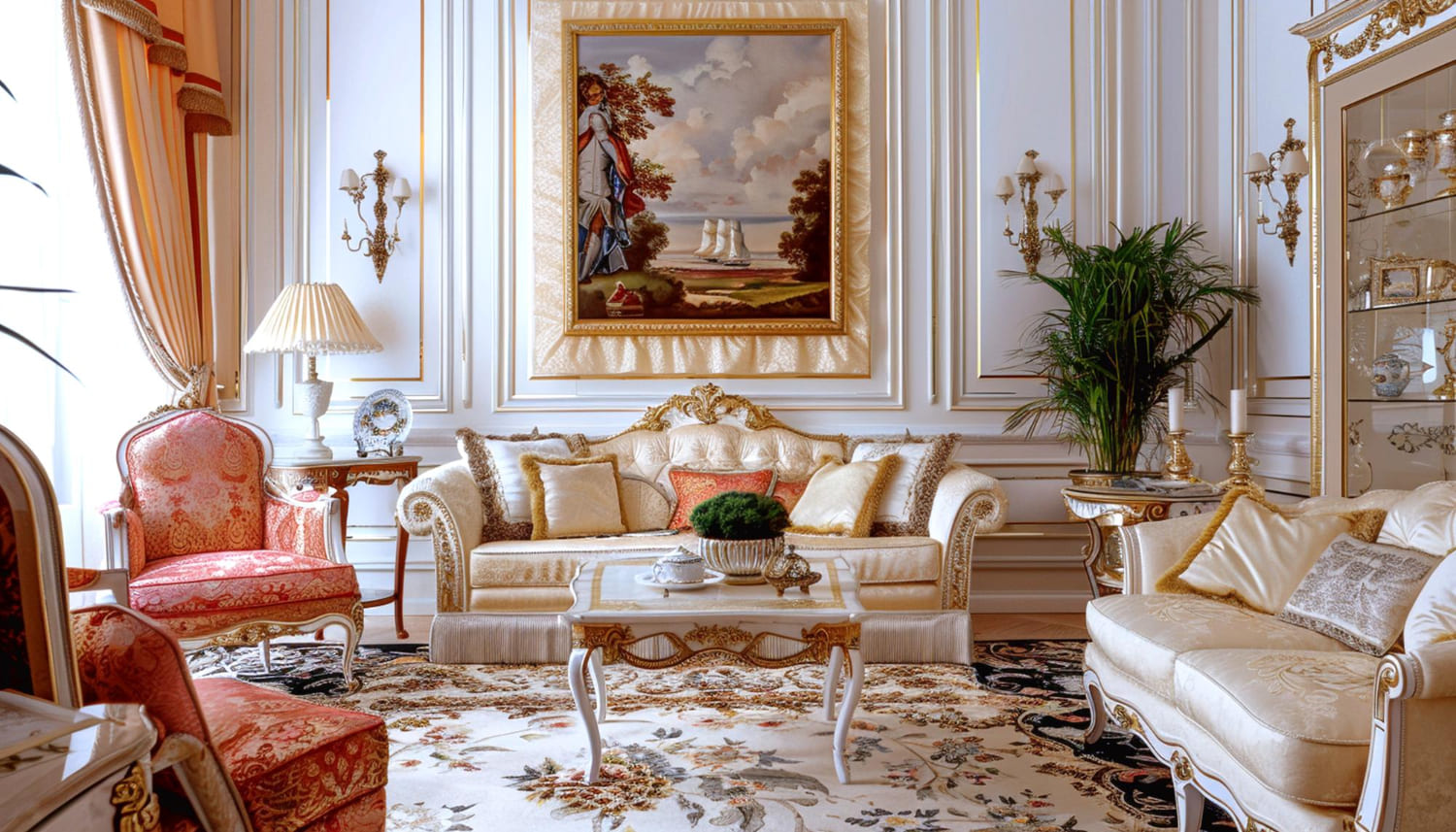
Psychologically, humans respond strongly to visual cues of strength and structure. When we encounter baroque furniture, the mind interprets its weight and presence as reassuring. A grand baroque sofa with carved wooden details and gold accents subconsciously signals permanence and protection. This is why such pieces feel powerful rather than overwhelming—they anchor a space and command attention without chaos.
Curves play a crucial role here. Unlike rigid minimal forms, baroque curves guide the eye smoothly, reducing visual stress while maintaining authority. The result is an environment that feels both commanding and composed.
Ornamentation as Emotional Security
Modern design often equates simplicity with sophistication, but the human brain does not always seek restraint. Ornamental detail, when done with balance, provides sensory richness that stimulates comfort and emotional engagement.
Intricate carvings, layered textures, and sculpted motifs found in luxury baroque furniture create visual depth. This complexity gives the brain more information to process, which can produce a sense of familiarity and warmth. Much like classical music or detailed artwork, ornamentation encourages lingering rather than quick consumption.
A finely detailed baroque armchair, for example, does more than offer seating. Its enveloping arms, sculpted backrest, and tactile finishes create a cocooning effect. Psychologically, this reinforces a sense of safety—an essential reason baroque seating often feels inviting despite its grandeur.
Gold Accents and the Perception of Value
Gold has long been associated with prosperity, divine power, and achievement. In baroque interiors, gold accents are never accidental. They reflect light, add warmth, and elevate perceived value.
From a psychological standpoint, gold triggers associations with success and reward. When incorporated into baroque furniture, it subtly reinforces feelings of confidence and self-worth. This is why a gilded baroque sofa or armchair can transform a room’s emotional tone, making it feel more aspirational and secure at the same time.
Importantly, baroque design balances gold with darker woods, rich fabrics, and sculptural forms. This contrast prevents overstimulation, allowing luxury to feel grounding rather than excessive.
Comfort Through Familiar Historical Symbolism
Humans find comfort in continuity. Baroque design references centuries of craftsmanship, tradition, and cultural heritage. This historical symbolism plays a powerful psychological role.
When surrounded by luxury baroque furniture, people often experience a sense of timelessness. These pieces feel “established,” not trend-driven. That permanence reduces decision fatigue and creates emotional stability within an interior. Unlike fleeting modern trends, baroque furniture reassures occupants that the space will remain relevant and dignified over time.
This is especially impactful in living rooms and lounges, where emotional relaxation matters most. A well-proportioned baroque armchair or sofa does not rush the eye—it invites pause, reflection, and presence.
Why Baroque Still Resonates in Modern Luxury Homes
Despite contemporary shifts toward minimalism, baroque design continues to thrive in luxury environments because it fulfills emotional needs that stripped-down interiors often overlook. Power, comfort, security, and emotional richness are universal human desires.
Today’s designers frequently blend baroque furniture with neutral backdrops or modern architecture, allowing ornate forms to stand out without overwhelming the space. In these settings, luxury baroque furniture becomes a focal point—emotionally anchoring the room while elevating its identity.
This fusion works because the psychology behind baroque design remains unchanged. Curves still soothe, ornamentation still comforts, and symbolic richness still reassures.
Conclusion: Luxury That Speaks to the Human Mind
The enduring appeal of baroque design lies far beyond decoration. Baroque furniture resonates because it speaks directly to human psychology—offering power without aggression and comfort without simplicity. Through curves, craftsmanship, and historical symbolism, luxury baroque furniture creates interiors that feel emotionally complete.
Whether it is a commanding baroque sofa or an inviting baroque armchair, these pieces do more than furnish a room. They shape how we feel within it—secure, confident, and deeply at ease. That emotional connection is why baroque design continues to captivate luxury interiors, century after century.