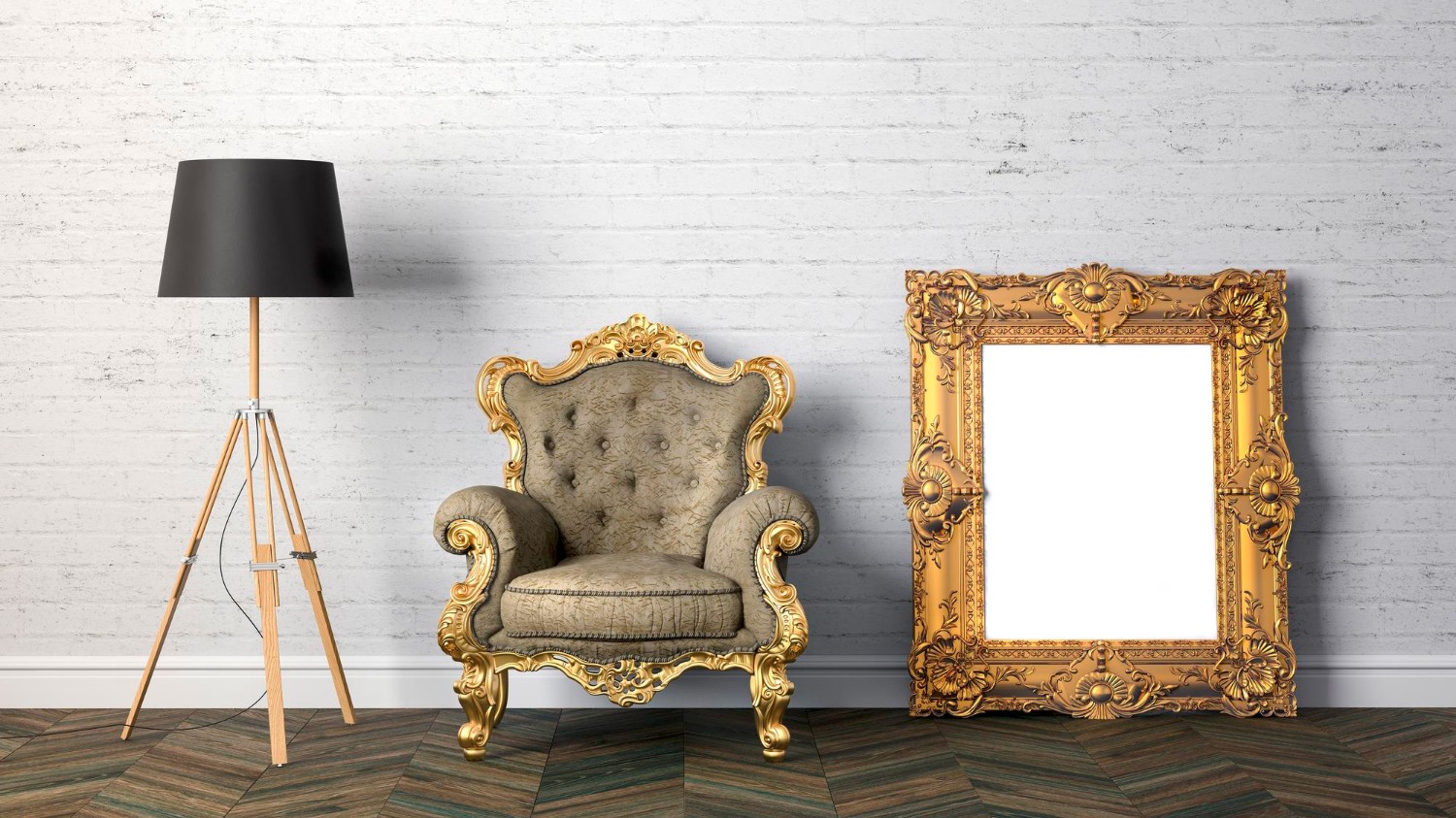
The Psychology of Sitting in Gold: How Baroque Chairs Change a Room’s Vibe
Luxury is not only seen. It is felt. The moment someone enters a room anchored by a gold Baroque chair, something shifts. The space feels heavier with presence, richer in meaning, and undeniably intentional. This is not accidental. Ornate seating—especially gilded Baroque chairs—has a deep psychological effect on how we perceive space, status, and even ourselves within a room. In this exploration, we look beyond surface beauty and uncover the gold baroque chair psychology—how form, color, and craftsmanship work together to transform mood, authority, and emotional response. If you’ve ever wondered why a single chair can redefine an entire interior, the answer lies in psychology as much as design.
Why Seating Is Psychological, Not Just Functional
Chairs are the most human piece of furniture. Unlike tables or cabinets, seating directly interacts with the body. Where and how we sit affects posture, perception, and behavior. This makes seating one of the strongest emotional anchors in any interior. When seating becomes ornamental—sculptural, elevated, and symbolic—it goes beyond comfort. It communicates hierarchy, intention, and identity. This is where Baroque chairs stand apart. Unlike modern minimalist seating designed to disappear into the background, Baroque chairs demand attention. Their presence signals that the room is not merely functional—it is curated. This is the foundation of luxurious seating psychology: furniture that shapes how people feel the moment they occupy a space.
Gold as a Power Color: What Our Brain Registers Instantly
Color psychology plays a central role in how we experience interiors, and gold is one of the most emotionally loaded hues in design history. Gold is associated with:
- Power and authority
- Achievement and legacy
- Warmth combined with prestige
- Celebration rather than restraint
Unlike yellow, which energizes, or brass, which feels industrial, gold carries a ceremonial weight. Our brains subconsciously associate gold finishes with value and rarity, which is why they have been used for centuries in palaces, thrones, and formal reception rooms. In the context of gold baroque chair psychology, the color doesn’t just decorate—it elevates. It makes the chair feel less like an object and more like a symbol. Placed in a room, a gold Baroque chair often becomes the emotional center of gravity, anchoring everything else around it.
Form Psychology: Why Baroque Shapes Feel Commanding
Beyond color, form plays an equally powerful psychological role. Baroque chairs are defined by:
- Curved silhouettes
- Elaborate carvings
- Sculptural legs and arms
- Symmetry balanced with movement
From a psychological perspective, curves suggest luxury and safety, while symmetry communicates order and authority. The elaborate detailing signals craftsmanship, which the brain associates with time, skill, and exclusivity. This combination explains the ornate furniture emotional impact. The chair doesn’t just fill space—it claims it. It subtly tells the sitter and the viewer that this is a place of importance. Where minimalist chairs encourage neutrality, Baroque chairs encourage presence.
How Baroque Chairs Change the Mood of a Room
The baroque style chair mood effect depends on placement and context, but the transformation is always noticeable. In living rooms, a gold Baroque chair introduces drama and hierarchy. Even in contemporary interiors, it creates a focal contrast that adds depth and narrative. In bedrooms or dressing areas, the same chair feels intimate yet indulgent—less about authority and more about personal luxury. In entryways or formal lounges, Baroque seating instantly signals status. Guests subconsciously adjust their posture and behavior around it, responding to the visual cue of importance. This is the subtle psychology of luxury: people don’t need to be told a space is premium—they sense it.
Craftsmanship as an Emotional Signal
One of the most overlooked psychological triggers in luxury furniture is craftsmanship. The human brain is highly sensitive to detail. Hand-carved elements, layered finishes, and sculpted frames communicate effort and permanence. Baroque chairs excel here. Their detailing tells a story of time invested, skills passed down, and design that resists trends. This creates emotional trust. People are more likely to value, respect, and preserve spaces that feel intentionally crafted. This reinforces the ornate furniture emotional impact—luxury that feels earned rather than manufactured.
Quick Personality Quiz: Which Baroque Chair Are You?
Let’s make this personal. Answer the questions below and see which Baroque seating style reflects your personality.
- How do you prefer to enter a room?
A. Quietly, but with undeniable presence
B. Confidently, commanding attention
C. Elegantly, with refined charm - Your ideal interior feels:
A. Regal and composed
B. Dramatic and bold
C. Artistic and expressive - Your style philosophy:
A. Timeless over trendy
B. Statement over subtle
C. Detail over simplicityMostly A: You gravitate toward classic gold Baroque armchairs with balanced detailing—commanding but composed.
Mostly B: Ornately carved, throne-style Baroque chairs suit you—bold, sculptural, unapologetic.
Mostly C: Curved, decorative Baroque chairs with expressive motifs reflect your artistic sensibility.
Why Designers Use Baroque Chairs as Emotional Anchors
Interior designers often use Baroque seating strategically. One statement chair can set the emotional tone for an entire room, allowing other elements to remain restrained. This is efficient luxury design: fewer pieces, higher impact. From a psychological standpoint, this works because the brain prefers clear focal points. A gold Baroque chair gives the eye a place to rest—and the mind a story to interpret. That story is always one of craftsmanship, history, and intentional excess.
Modern Spaces, Classic Psychology
Interestingly, Baroque chairs are increasingly used in modern interiors. The contrast amplifies their psychological effect. Against neutral walls or minimalist layouts, the ornate form feels even more powerful. This blend satisfies two emotional needs:
- The modern desire for clarity and space
- The human craving for richness and meaning
The result is a room that feels curated rather than styled—luxurious without being overwhelming.
Conclusion: Sitting in Gold Is a Psychological Experience
A gold Baroque chair does more than offer a place to sit. It changes posture, mood, and perception. It influences how a room is experienced and how people behave within it. By combining color psychology, sculptural form, and meticulous craftsmanship, Baroque chairs create an emotional resonance few furniture pieces can match. This is why they continue to appear in luxury interiors centuries after their origin. In the end, the psychology of sitting in gold is about identity. It reflects who you are, how you value space, and what you choose to express without saying a word. And that is the true power of luxurious seating psychology.