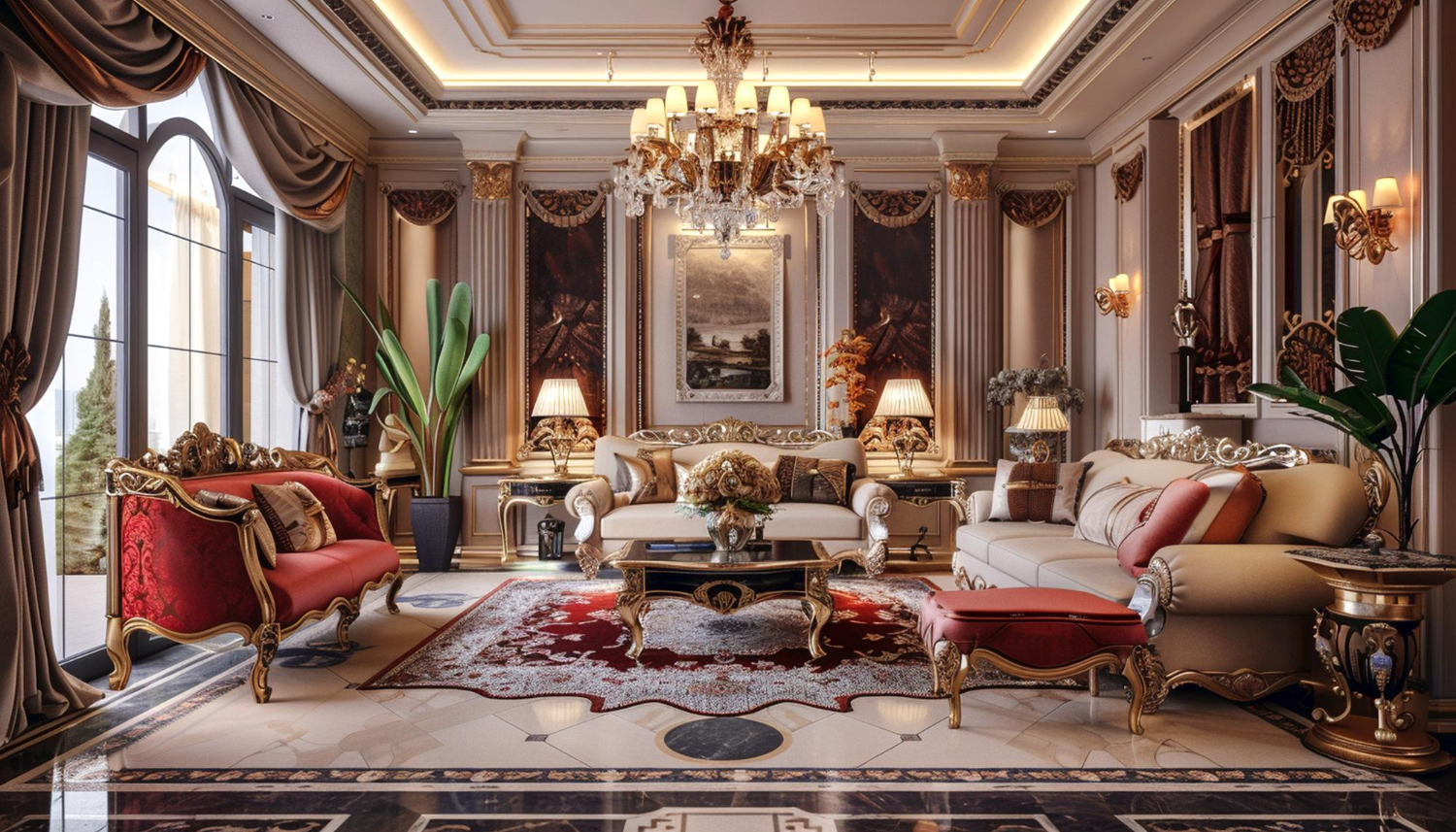
Mistakes People Make When Buying Baroque Furniture—and How to Avoid Them
Baroque furniture has an undeniable presence. Rich carvings, dramatic silhouettes, gilded finishes, and historical depth make it one of the most powerful design styles in luxury interiors. Yet that same intensity is also why many buyers regret their choices later. When baroque furniture is selected without the right understanding of scale, finish, and placement, it can quickly overwhelm a space rather than elevate it.
For homeowners, collectors, and buyers investing in baroque furniture for European villas, avoiding these common mistakes is essential. This guide breaks down where buyers often go wrong—and how to make confident, future-proof decisions that honor the elegance of baroque style rather than dilute it.
Mistake 1: Choosing the Wrong Scale for the Room
One of the most frequent errors with baroque style furniture is scale mismatch. Baroque pieces are inherently grand. Oversized armoires, heavily carved beds, or wide console tables demand breathing room. Placing them in compact rooms can make the space feel cramped and visually heavy.
How to avoid it:
Before purchasing, measure not only the room but also circulation space. Baroque furniture works best when there is negative space around it. In European villas with high ceilings and generous proportions, large pieces feel natural. In smaller rooms, choose slimmer silhouettes or select one hero piece instead of a full set.
A single baroque console or armchair can deliver impact without overpowering the room.
Mistake 2: Falling for Poor-Quality Finishes
Not all baroque furniture is created equal. Mass-produced versions often rely on artificial finishes, shallow carvings, or overly shiny gold tones that cheapen the entire interior. These shortcuts are especially visible under natural light.
How to avoid it:
Look closely at craftsmanship. Authentic baroque furniture features deep, hand-finished carvings, balanced proportions, and finishes that feel aged rather than glossy. Antique gold, soft patinas, and muted metallic tones age far better than bright, reflective coatings.
High-quality finishes don’t shout—they glow subtly and gain character over time.
Mistake 3: Over-Matching Everything
Another common mistake is buying complete, perfectly matched baroque sets—bed, nightstands, wardrobe, dresser, mirrors—all identical in finish and detailing. While symmetry is important in baroque interiors, over-matching removes depth and makes the room feel staged rather than lived-in.
How to avoid it:
Baroque design thrives on curated harmony, not duplication. Mix complementary pieces instead of identical ones. Pair a carved bed with simpler side tables, or balance an ornate armoire with understated seating.
This approach adds sophistication and prevents the space from looking like a showroom rather than a refined residence.
Mistake 4: Ignoring Lighting Conditions
Lighting is often an afterthought, but with baroque style furniture, it can make or break the room. Poor lighting exaggerates heaviness, flattens carvings, and makes finishes appear dull or harsh.
How to avoid it:
Use layered lighting. Combine ambient lighting with wall sconces, table lamps, or chandeliers that highlight carvings and textures. Warm light temperatures enhance gold finishes and wood tones, while overly cool lighting can make baroque pieces look lifeless.
In European villas, natural daylight paired with warm evening lighting creates the ideal balance for baroque interiors.
Mistake 5: Treating Baroque as a Theme, Not a Design Language
Many buyers approach baroque furniture as a theme—filling a room with ornate objects, heavy fabrics, and decorative excess. The result is often visual overload.
How to avoid it:
Think of baroque as a design language, not a costume. Let key pieces speak while the surrounding elements remain restrained. Neutral walls, controlled color palettes, and simple flooring allow baroque furniture for European villas to stand out with authority rather than chaos.
Restraint amplifies luxury.
Mistake 6: Forgetting Modern Comfort Expectations
While baroque furniture is rooted in history, modern living demands comfort. Buyers sometimes prioritize visual drama over usability, resulting in seating that looks impressive but feels impractical.
How to avoid it:
Choose baroque seating with updated ergonomics—proper seat depth, supportive cushioning, and durable upholstery. Modern craftsmanship allows classic forms to meet contemporary comfort without compromising aesthetics.
Luxury today is about experience, not just appearance.
Mistake 7: Placing Baroque Furniture in the Wrong Rooms
Not every room benefits equally from baroque design. Overusing baroque furniture throughout an entire home can feel repetitive and exhausting.
How to avoid it:
Use baroque pieces strategically. Entry halls, master bedrooms, formal living rooms, and dining spaces are ideal. Balance them with simpler furniture in private or functional areas to create rhythm throughout the home.
This contrast enhances the impact of each baroque element.
Mistake 8: Buying Without a Long-Term Vision
Impulse purchases are risky with high-investment furniture. Trends change, but baroque style furniture is timeless only when chosen thoughtfully.
How to avoid it:
Ask how the piece will age within your space. Will it still feel relevant in ten years? Will it adapt if surrounding décor evolves? Quality baroque furniture is an heirloom investment, not a seasonal statement.
Final Thoughts
Buying baroque furniture is as much about judgment as it is about taste. When chosen with care—proper scale, refined finishes, balanced combinations, and thoughtful lighting—it brings unmatched elegance and authority to interiors.
For those furnishing European villas or luxury residences, avoiding these common mistakes ensures that baroque furniture becomes a lasting asset rather than a costly regret. True baroque luxury isn’t about excess—it’s about mastery, balance, and timeless presence.