Reflections of Grandeur: The Timeless Beauty of Baroque Mirrors in Luxury Interiors

The world of high-end interior design is constantly evolving, with trends shifting from ultra-minimalism to sleek industrialism. Yet, true luxury is rarely defined by what is fleeting; it is defined by what endures. Among the elite design elements that have retained their majestic allure for centuries, few pieces command a room quite like a Baroque mirror. Originating in the 17th century during an era of unparalleled artistic opulence, these dramatic masterpieces are far more than reflective surfaces. They are structural statements, historical echoes, and artistic triumphs that seamlessly bridge the gap between classical antiquity and contemporary high life.

For European connoisseurs of fine living, creating an upscale home is an exercise in curation. It is about selecting objects that evoke emotion, showcase craftsmanship, and command attention. Let’s explore the profound aesthetic appeal of the Baroque style mirror and discover how this classic artifact continues to redefine the boundaries of modern luxury home design.


The Aesthetic Alchemy of the Baroque Style Mirror

At its core, the Baroque movement was designed to awe. It rejected the rigid symmetry of the Renaissance in favor of drama, vitality, and emotional tension. When you integrate a Baroque style mirror into a modern high-end interior, you are introducing that exact sense of theatrical grandeur into your daily life.

The aesthetic definition of a Baroque mirror lies in its exquisite frame. Characterized by intricate carvings, asymmetrical curves, rolling acanthus leaves, and cherubic or floral motifs, these frames are often finished in rich gold leaf, aged bronze, or deep antiqued silver.

  • The Play of Light: The heavily textured, sculpted surfaces of the frame catch both natural sunlight and ambient evening light differently than flat, modern frames. This creates a dynamic play of shadows and highlights that shifts as you walk through the room.
  • Visual Expansion: Beyond their frames, the sheer scale of traditional Baroque designs amplifies the sense of space, reflecting high ceilings and architectural details back into the room.
  • A Captivating Contrast: Placing a highly ornate historical piece within a sleek, minimalist, or transitional European apartment creates an instant focal point. It breaks the monotony of straight lines and introduces a layer of soulful texture.


Elevating the Luxury Living Room: A Masterclass in First Impressions

The living room is the emotional heart of a luxury home—a space dedicated to relaxation, sophisticated entertaining, and personal expression. Incorporating a Baroque mirror into this space elevates it from a mere seating area to a curated gallery.

Above the Fireplace Mantel

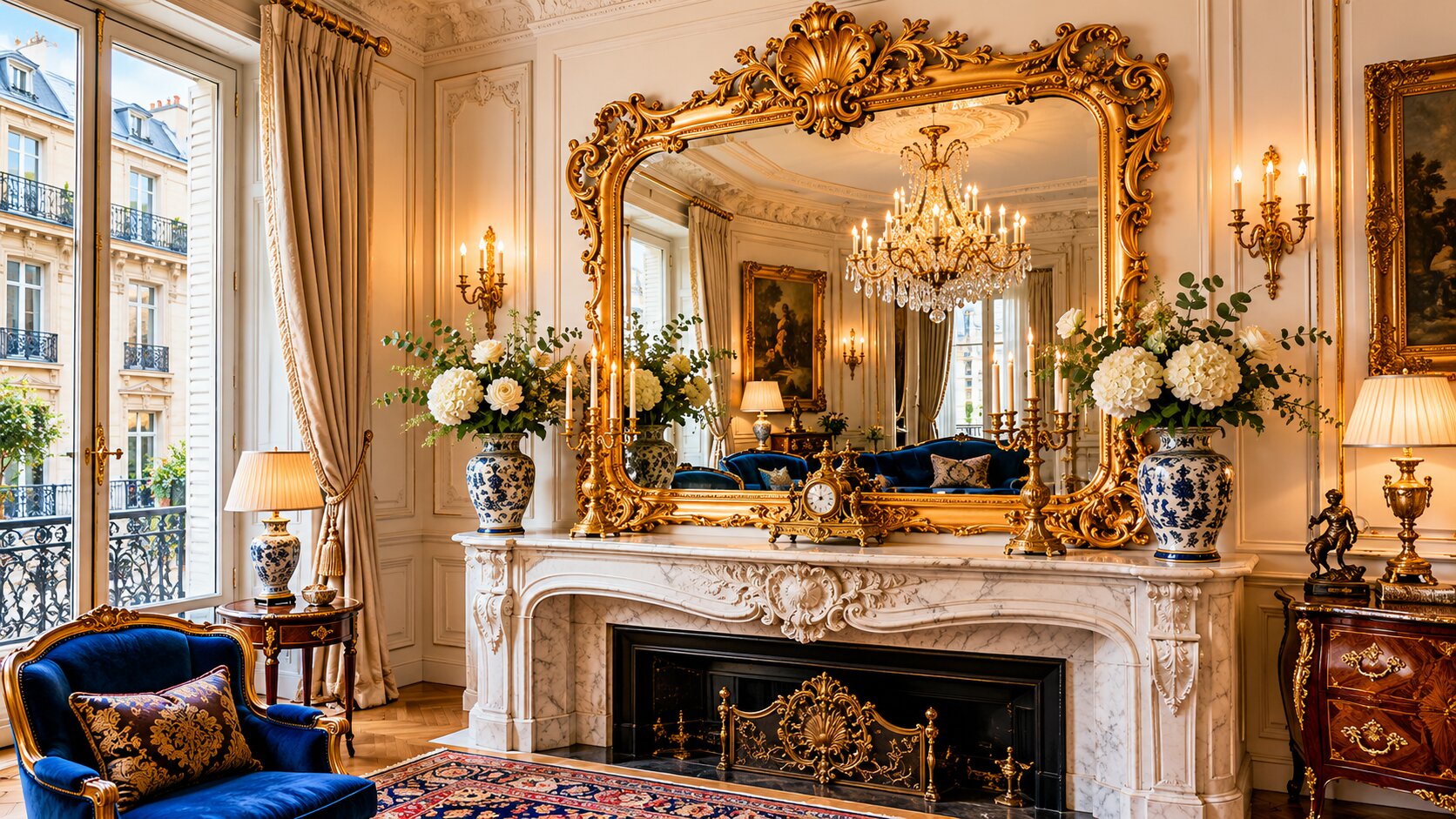
The classic placement for a large-scale Baroque style mirror is directly above a marble or carved stone fireplace. The verticality of the mirror draws the eye upward, emphasizing room height and making the fireplace the undeniable anchor of the room.

The Statement Gallery Wall

Instead of a traditional painting, use a massive gilded Baroque mirror as the centerpiece of your main living room wall. Flank it with modern abstract art or minimalist sconces. This juxtaposition of the old and the new is a hallmark of contemporary European luxury design, signaling a sophisticated, well-traveled aesthetic.


Redefining hospitality in the Luxury Drawing Room

In elite European properties, the luxury drawing room remains the ultimate venue for formal receptions, intimate soirées, and post-dinner conversation. Here, the ambiance must be impeccably polished, formal yet inviting.

A strategically placed Baroque style mirror acts as a silent conversationalist in a drawing room. When hung opposite large, floor-to-ceiling windows overlooking a Parisian boulevard, a manicured Tuscan garden, or a historic London square, the mirror pulls the exterior landscape inside. It frames the outside world as if it were a living painting, bathing the drawing room in natural light during the day and reflecting the soft, warm glow of crystal chandeliers by night.

To maximize the aesthetic impact, pair the mirror with plush velvet sofas, silk drapes, and inlaid parquet flooring. The gold or silver leaf of the frame complements the rich textures of high-end textiles, creating a sensory experience that feels cohesive, deliberate, and undeniably opulent.


Creating an Intimate Sanctuary: The Private Place

Luxury is not only meant to be displayed to guests; it is also meant to be experienced in solitude. Introducing a Baroque mirror into a private place—such as a primary master suite, an opulent walk-in dressing room, or a private study—transforms daily routines into rituals of indulgence.

“True luxury is the integration of art into the spaces where we are most authentically ourselves.”

In a private dressing room, a full-length, freestanding Baroque style mirror adds an air of old-world dressing chambers. It turns the simple act of preparing for the day into an elegant experience. In a private study or library, a dark-patinaed Baroque frame brings a sense of academic gravity, history, and quiet intellect to the workspace, beautifully contrasting against leather-bound books and dark wood paneling.


Seamless Integration into the Modern Luxury Home

While the historical roots of the Baroque era are undeniable, the modern Baroque mirror is incredibly versatile. You do not need a 17th-century palace to make it work. In fact, it thrives in contemporary architecture.

When styling a luxury home, consider these expert design approaches:

  1. Monochromatic Balance: If your space features a neutral color palette (whites, creams, and charcoals), a bright gold Baroque style mirror provides the perfect splash of warmth without disrupting the serene color scheme.
  2. Scale Matters: Do not be afraid to go too large. In luxury design, an oversized statement mirror leaning casually against a wall often looks more intentional and avant-garde than a smaller, safely sized hung mirror.
  3. Mind the Finish: Choose a finish that speaks to your geography. A bright, polished gold leaf feels right at home in a classic Parisian apartment, while a muted, distressed, or blackened bronze frame beautifully suits a rustic yet luxurious villa in the South of Europe.


Conclusion: An Investment in Timeless Artistry

Trends will inevitably come and go, but the enchanting drama of the Baroque era remains fundamentally timeless. Investing in a premium Baroque mirror is not simply purchasing home decor; it is acquiring a piece of sculptural artistry that transcends generations.

Whether hung with pride in a luxury living room, utilized to invite light into a formal luxury drawing room, or kept as a personal treasure within a private place, these mirrors offer an unparalleled depth of character. They reflect your taste, your appreciation for historical craftsmanship, and your commitment to an uncompromisingly luxurious lifestyle. Turn your luxury home into a living masterpiece, and let a Baroque style mirror show your space in its absolute best light.
 

Baroque Chest of Drawers: Practical Storage with an Elegant Touch

When it comes to high-end interior design, the modern minimalist trend is beginning to make way for something far more expressive, dramatic, and deeply personal. Today’s discerning homeowners are looking for statement pieces that tell a story, challenge the status quo of “quiet luxury,” and inject a sense of grandeur into everyday living. Enter the Baroque chest of drawers — a masterclass in furniture design that effortlessly bridges the gap between museum-worthy artistry and everyday utility.

Far from being a mere relic of 17th-century European courts, the modern Baroque dresser has reimagined itself for the contemporary elite. It is an investment in functional art, offering an exquisite solution to a timeless interior dilemma: how do you maximize organization without sacrificing an ounce of visual opulence?


The Resurgence of Baroque Grandeur in Modern Spaces

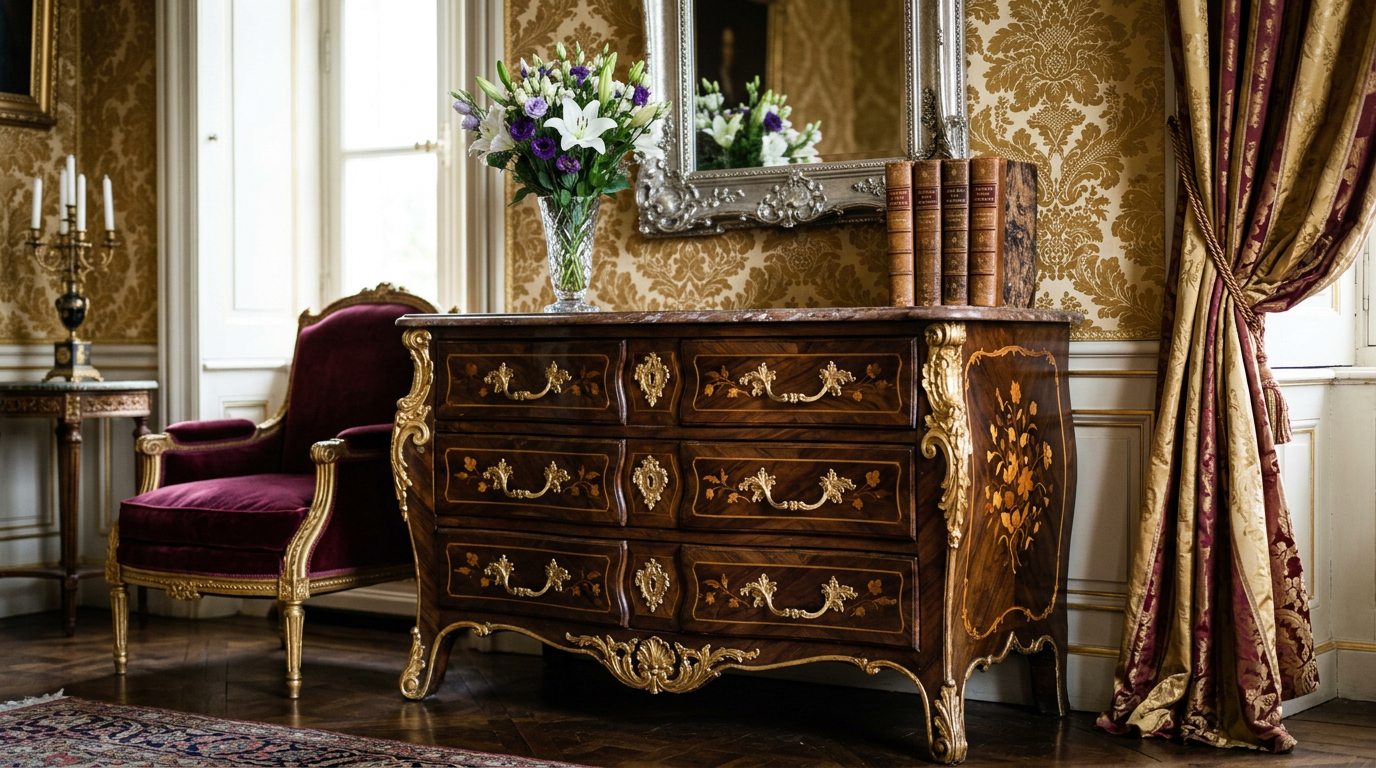
The Baroque era was defined by drama, rich detail, and an unapologetic celebration of grandeur. Characterized by scrolled legs, intricate marquetry, gilded hardware, and voluptuous, curved silhouettes, this design movement sought to inspire awe. In the context of contemporary luxury homes across Europe—from Parisian apartments to expansive villas in Tuscany—introducing a Baroque chest of drawers creates an instant, captivating focal point.

Rather than cluttering a room, a well-placed Baroque dresser acts as an anchor. It breaks the monotony of straight lines and neutral palettes, bringing a sense of history, romance, and unparalleled craftsmanship into twenty-first-century living.


The Dual-Purpose Marvel: Where Function Meets Fine Art

The true brilliance of a premium Baroque chest of drawers lies in its dual-purpose role. It refuses to force you to choose between aesthetics and practicality. Instead, it elevates the concept of elegant storage to an art form.

1. Masterful Storage Capability

At its core, a chest of drawers must serve its primary purpose: organization. Built from robust, high-quality hardwoods like walnut, oak, and mahogany, these dressers feature deep, spacious drawers capable of housing everything from fine linens and heirloom silverware to personal documents and wardrobe essentials. The smooth glide of traditional joinery ensures that accessing your belongings is a tactile, satisfying experience.

2. An Architectural Statement Piece

Above the drawer line, the piece transforms into a design powerhouse. The sweeping serpentine fronts and hand-carved details draw the eye, while the expansive top surface offers the perfect stage for curated styling. Placing a modern sculpture, a bouquet of fresh flowers, or a pair of minimalist brass lamps atop a heavily detailed Baroque dresser creates a stunning juxtaposition that screams high-end interior design.


Curating the Perfect Setting Across Your Luxury Home

A piece this magnificent deserves a stage that highlights its beauty. Because of its commanding presence, the Baroque chest of drawers thrives in spaces designed to impress, as well as areas meant for quiet, personal indulgence.

The Luxury Living Room

In a luxury living room, this dresser can easily bypass the traditional sideboard. Use it beneath a grand mirror or a piece of contemporary abstract art to create a breathtaking contrast. It serves as an excellent conversation starter, holding media essentials or fine glassware out of sight while exuding pure sophistication.

The Luxury Drawing Room

For a formal luxury drawing room, a gilded or deeply veneered Baroque chest of drawers instills an air of old-world nobility. It complements velvet upholstered sofas, silk draperies, and crystal chandeliers, completing an environment engineered for high-society entertaining and sophisticated relaxation.

The Private Place

Your bedroom, dressing room, or private study should feel like a sanctuary. Introducing a Baroque dresser into a private place brings a sense of romance and tailored luxury to your personal routine. It provides an intimate space to store your most cherished possessions, jewelry, or couture accessories, making the simple act of getting ready feel like a royal ritual.

Placement and Design Impact

  • Luxury Living Room: Ideal for concealing media or entertainment accessories. Acts as a breathtaking focal point and anchor for the space.
  • Luxury Drawing Room: Perfect for storing fine glassware and table linens. Adds historical depth, texture, and grandeur.
  • Private Place / Bedroom: Best for organizing couture apparel and jewelry. Instills a romantic, sanctuary-like vibe.


Choosing Your Aesthetic: Gilded Opulence vs. Understated Elegance

Not all Baroque furniture is created equal; the style offers incredible versatility depending on the finish you choose:

  • The Classic Gilded Look: Featuring gold-leaf accents, rich ormolu mountings, and high-gloss lacquers. This is perfect for those who want their luxury home to feel like a modern palace.
  • The Refined Inlaid Style: Utilizing intricate wood marquetry and burl veneers. This style focuses on the natural, swirling beauty of premium woods, offering a warmer, more scholarly aesthetic.
  • The Monochromatic Modern Update: A Baroque chest of drawers finished in matte black, crisp white, or a bold jewel tone. This approach preserves the dramatic curves of the era but strips away the historical color palette, making it a perfect fit for avant-garde European interiors.


A Timeless Investment for the Connoisseur

For luxury shoppers across Europe, purchasing furniture is rarely about filling a void; it is about collecting pieces that hold value, character, and longevity. A finely crafted Baroque chest of drawers is an investment that transcends passing design fads. It is built using time-honored techniques meant to last generations, ensuring that its practical storage capabilities and elegant touch will remain a staple of your luxury home for decades to come.

By seamlessly blending the utility of deep, organized storage with the theatrical beauty of 17th-century European design, the Baroque dresser proves that you never have to compromise on function to achieve absolute luxury. Turn your storage into a statement, and let your home reflect the grandeur it deserves.


Why a Baroque Sofa is the Perfect Centerpiece for Your Living Room

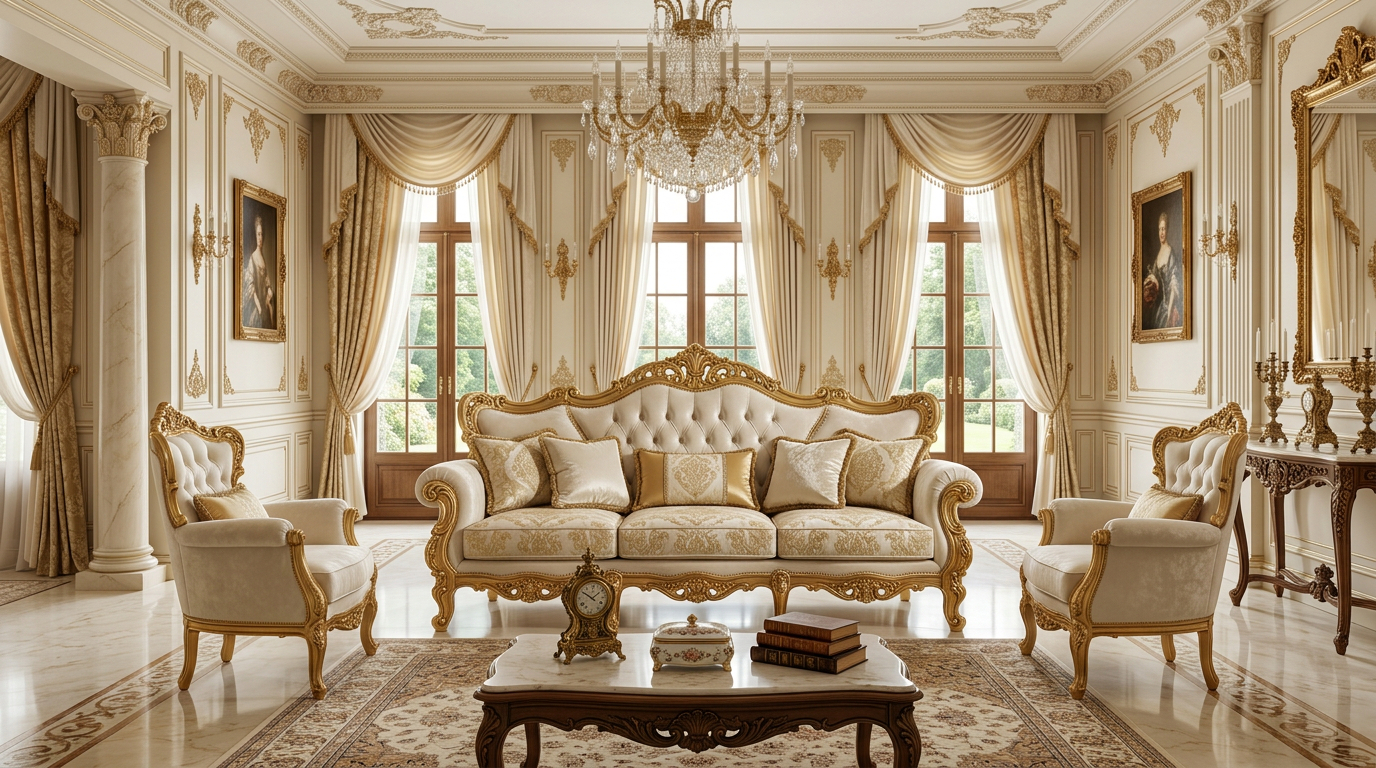
Luxury interiors are often remembered for one defining element — a statement piece that immediately captures attention and shapes the atmosphere of the entire room. In sophisticated European homes, that role is increasingly being filled by the Baroque sofa. Rich in artistic detailing, timeless elegance, and luxurious comfort, a Baroque-inspired seating arrangement transforms an ordinary living space into a refined masterpiece.

Unlike minimalist furniture that quietly blends into a room, a Baroque style sofa is designed to stand out. From sculpted wooden frames and hand-carved accents to plush upholstery and dramatic silhouettes, these sofas naturally become the visual and emotional center of a luxury living room. For homeowners who value heritage-inspired design with a sense of grandeur, a Baroque sofa offers far more than seating — it delivers presence, personality, and prestige.


The Timeless Appeal of a Baroque Sofa


The beauty of a Baroque sofa lies in its ability to combine classical artistry with modern luxury living. Inspired by the grand European interiors of the 17th and 18th centuries, Baroque furniture continues to remain relevant because of its rich detailing and sophisticated craftsmanship.

A Baroque sofa typically features:

  • Ornate carved wooden frames
  • Elegant curved armrests
  • Luxurious velvet, leather, or jacquard upholstery
  • Gold, silver, or antique finishes
  • Deep and comfortable seating

These elements create an atmosphere of refinement that instantly elevates the living room. Whether placed inside a Parisian-inspired apartment, a luxury villa, or a contemporary European home, a Baroque style sofa adds depth, elegance, and character.


Why a Baroque Sofa Becomes the Focal Point


Every luxury living room needs a visual anchor — a piece that organizes the space and draws attention naturally. A Baroque sofa achieves this effortlessly because of its bold artistic presence.

Architectural Presence

Unlike ordinary sofas with simple geometric lines, Baroque designs feature sculptural forms and dramatic proportions. The carved detailing and flowing curves create a furniture piece that feels almost architectural in nature. Even in large open-plan living spaces, a Baroque sofa commands attention without overpowering the room.

Rich Texture and Materials

Luxury interiors rely heavily on layered textures, and a Baroque style sofa introduces richness through premium materials. Velvet upholstery reflects light beautifully, while hand-finished wood frames add warmth and authenticity. These textures make the sofa visually dynamic from every angle.

Natural Conversation Center

In elegant European homes, the living room is designed for gathering, entertaining, and relaxation. A Baroque sofa naturally encourages this interaction. Its grand appearance and inviting comfort create a welcoming centerpiece around which coffee tables, lighting, and décor elements can be arranged harmoniously.


Creating a Luxury Living Room Around a Baroque Style Sofa


A carefully selected Baroque style sofa can define the design language of the entire room. Rather than competing with surrounding furniture, it sets the tone for luxury styling.

Pair with Refined Color Palettes

Neutral shades such as cream, ivory, taupe, charcoal, and champagne help emphasize the intricate craftsmanship of a Baroque sofa. Deep jewel tones like emerald green, royal blue, or burgundy can also create a dramatic European-inspired atmosphere.

Use Statement Lighting

Crystal chandeliers, wall sconces, and elegant floor lamps complement the luxurious detailing of a Baroque sofa beautifully. Lighting enhances carved details and rich upholstery textures, helping the sofa become even more visually striking during evening hours.

Balance with Modern Elements

One reason the Baroque style sofa remains popular today is its versatility. Many luxury homeowners blend Baroque seating with contemporary coffee tables, minimalist walls, or modern artwork. This combination creates an interior that feels timeless rather than overly traditional.


Comfort Meets Grandeur


While Baroque furniture is admired for its beauty, comfort remains equally important. Modern luxury buyers no longer want furniture that looks impressive but feels impractical. Fortunately, today’s Baroque sofa designs combine aesthetics with superior comfort.

Deep cushions, ergonomic seating, and premium upholstery materials ensure that these sofas provide a relaxing experience while maintaining their sophisticated appearance. This makes them ideal for:

  • Luxury living rooms
  • Private lounges
  • Elegant apartments
  • Boutique hospitality spaces
  • Executive residences

A high-quality Baroque style sofa delivers both emotional warmth and visual drama, making it perfect for everyday luxury living.


The Investment Value of a Baroque Sofa


Luxury furniture should offer long-term value, and a Baroque sofa excels in this area. Unlike trend-driven furniture that quickly loses appeal, Baroque designs remain timeless because of their artistic heritage and craftsmanship.

Handcrafted details, durable hardwood frames, and premium materials contribute to exceptional longevity. Many luxury homeowners see Baroque furniture not only as décor but also as collectible art pieces that maintain their beauty for years.

For European luxury shoppers seeking individuality, a Baroque sofa also offers exclusivity. Each handcrafted detail reflects craftsmanship that mass-produced furniture often lacks.


Choosing the Right Baroque Style Sofa


When selecting the ideal Baroque style sofa, it is important to consider:

  • Room size and layout
  • Upholstery texture and color
  • Wood finish and detailing
  • Seating capacity
  • Overall interior theme

Larger living rooms benefit from oversized carved sofas with dramatic silhouettes, while compact luxury apartments may suit elegant two-seater Baroque models with lighter finishes.

The key is selecting a design that enhances the room without creating visual clutter. A well-positioned Baroque sofa should feel commanding yet balanced.


Final Thoughts


A luxury living room deserves a centerpiece that reflects sophistication, artistry, and timeless comfort. A Baroque sofa offers all of these qualities while transforming the atmosphere of the space with unmatched elegance. Its sculptural beauty, premium craftsmanship, and commanding presence make it far more than furniture — it becomes the defining statement of the home.

For luxury homeowners across Europe, investing in a Baroque style sofa is a way to create interiors that feel refined, welcoming, and unforgettable. Whether styled traditionally or paired with modern décor, this iconic seating piece continues to represent the highest level of luxury living.


Baroque Dining Tables: The Ultimate Symbol of Elegance and Functionality

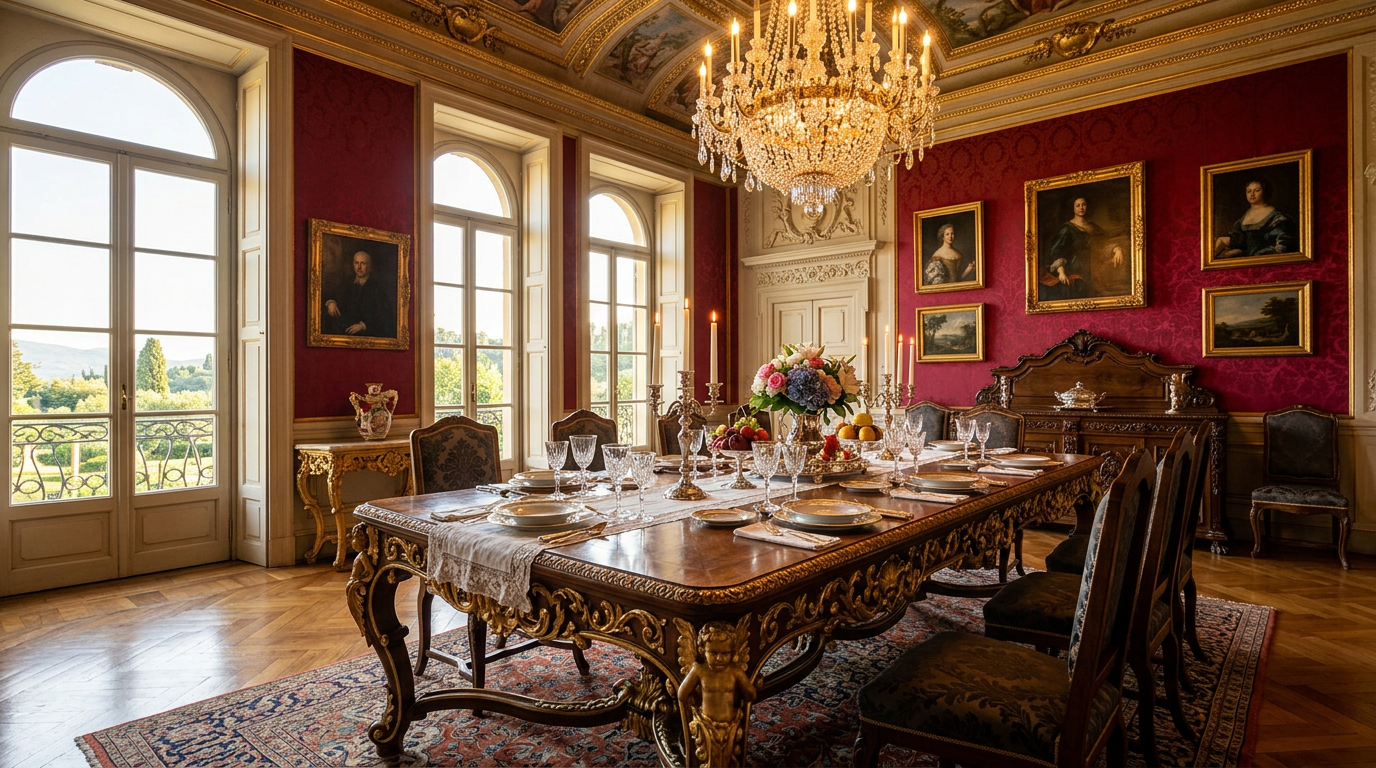
When it comes to luxury interior design, few eras command a room quite like the Baroque period. Originating in 17th-century Europe, this design movement was born to impress, defined by its grand scale, dramatic curves, and unapologetic opulence. Today, that heritage lives on. But in a modern luxury landscape that demands utility alongside aesthetics, a high-end statement piece cannot survive on looks alone.

Enter the modern Baroque dining table. Far from a static museum piece, it has evolved into the ultimate hybrid of European grandiosity and everyday utility. For discerning homeowners, hoteliers, and designers across Europe, investing in a Baroque style dining table is no longer just an aesthetic choice—it is the ultimate expression of functional luxury.


The Resurgence of Baroque Style in Modern Luxury

Luxury in European design has shifted away from sterile minimalism. Today’s high-end interiors crave warmth, history, and character. A Baroque dining table satisfies this demand perfectly by acting as a dramatic anchor for a room.

Historically commissioned by royalty and the Catholic Church to showcase wealth and power, the foundational elements of the Baroque style remain unchanged:

  • Exquisite Artistry: Intricate hand-carved acanthus leaves, scrollwork, and cabriole legs.
  • Premium Materials: Rich European hardwoods like walnut and oak, often accented with gold leaf, marble inlays, or premium lacquer.
  • Commanding Scale: A natural structural weight that instantly draws the eye.

Whether placed in a Parisian penthouse or a restored Tuscan villa, this style brings a sense of theater to the dining room, transforming ordinary spaces into extraordinary experiences.


Functional Luxury: The Dual Role of Style and Utility

The phrase “functional luxury” might sound like a paradox, but it is the exact principle that defines a premium Baroque style dining table today. A common misconception is that heavily ornamented furniture is fragile or impractical. In reality, the inherent craftsmanship of Baroque design makes it exceptionally durable.

1. Built for the Art of Entertaining

In Europe, dining is rarely just about food—it is a cultural ritual of connection, celebration, and hospitality. A Baroque dining table is structurally engineered to support this lifestyle. Built from robust solid woods and often topped with reinforced glass, treated marble, or scratch-resistant high-gloss lacquers, these tables are meant to be used, not just admired. They can effortlessly host multi-course banquets, heavy crystalware, and grand floral centerpieces without compromising their structural integrity.

2. Architectural Adaptability

While a Baroque dining table boasts historical roots, its functional versatility shines in contemporary layouts. High-end manufacturers now subtly tweak original proportions to suit modern ergonomics. Furthermore, the juxtaposition of an ornate, gilded Baroque style dining table against sleek, minimalist walls or contemporary lighting creates a breathtaking visual contrast that elevates the entire architecture of a property.


Where Baroque Brilliance Belongs: Ideal Spaces

Because of its commanding presence and high-utility design, this style of table is uniquely suited for premium environments across Europe that demand both durability and high aesthetic impact.

Luxury Homes & Private Estates

For a private residence, a Baroque dining table serves as a generational heirloom. It transforms the dining room into a formal sanctuary where families gather for milestones. In a luxury home, it bridges the gap between private comfort and high-society entertaining.

Boutique & Luxury Hotels

In the hospitality sector, first impressions are everything. Placed in a VIP private dining room, a presidential suite, or a grand hotel lobby boardroom, a Baroque style dining table communicates prestige instantly. It offers international guests a taste of authentic European heritage while handling the high-traffic wear and tear of a commercial luxury space.

Exclusive Executive Boardrooms

Private clubs and elite corporate offices use these tables to set a tone of stability, power, and long-standing success. Conducting negotiations around a table crafted with such deliberate detail adds an undeniable layer of gravity and sophistication to the room.


Key Features and Functional Benefits

  • Solid Hardwood Framework: Delivers generational durability, structural stability, and resistance to warping.
  • Intricate Cabriole Legs: Provides excellent stability while maximizing legroom and adding visual drama.
  • Premium Finishes (Marble or Lacquer): Offers heat, scratch, and stain resistance, making the surface ideal for frequent hosting.
  • Hand-Carved Gilt Detailing: Serves as an instant focal point that elevates the property’s overall market value.


Selecting Your Perfect Baroque Dining Table

Investing in a Baroque dining table requires a keen eye for quality. To ensure your investment delivers true functional luxury, look for the following hallmarks of premium European craftsmanship:

  • Authentic Joinery: High-end tables rely on traditional dowel and mortise-and-tenon joinery rather than cheap metal brackets, ensuring the table remains stable for decades.
  • Balanced Proportions: Ensure the scale matches your room. A Baroque piece needs breathing room; pair it with understated, elegant seating to let the table’s intricate base take center stage.
  • Sustainably Sourced Hardwoods: True luxury values ethics. Premium European brands utilize certified sustainable timber, treated to withstand fluctuating indoor climates and humidity.


Conclusion: A Masterpiece You Can Use Every Day

True luxury is never fragile. The enduring appeal of the Baroque style dining table lies in its ability to marry dramatic, historical storytelling with the uncompromising demands of modern life. It is not merely a piece of furniture, but a functional sculpture that elevates the act of dining into an art form.

Whether you are designing a high-end hospitality venue or curating your own private estate, choosing a Baroque dining table ensures that your space remains anchored in timeless European elegance, without ever sacrificing the utility of a modern home.

How Gilding in Baroque Art Sculpture Translates to Modern Furnishings

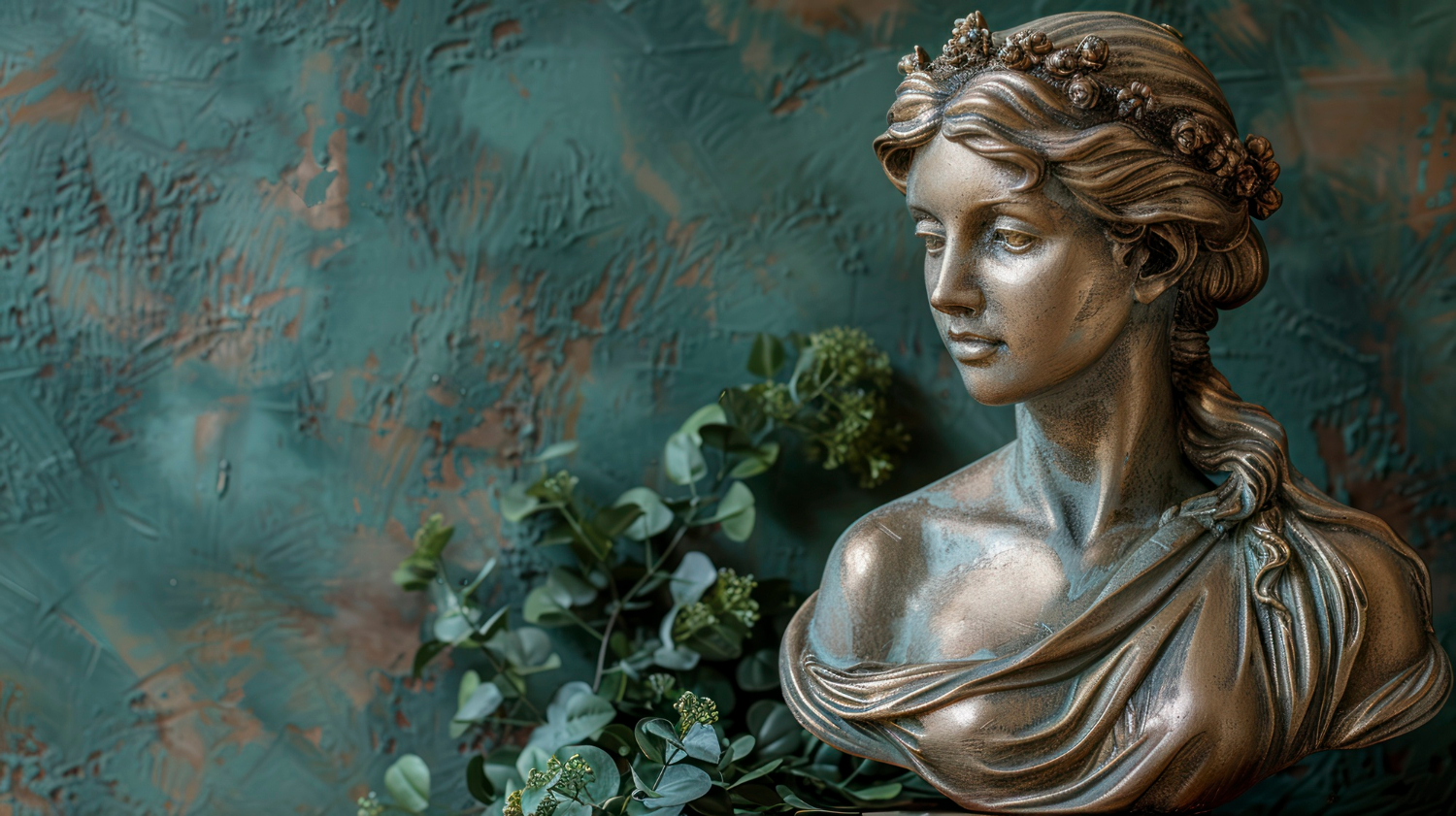
The Baroque period, a time of artistic and architectural flourishing across Europe, established gold as the ultimate signifier of divine light and human power. This opulence was often achieved through gilding—the application of gold leaf—a technique that transformed everyday objects and monumental Baroque art sculpture into dazzling masterpieces.

Today, this aesthetic is foundational to contemporary gilded luxury decor, enriching everything from custom headboards to ornamental mirrors. For the luxury buyer or interior designer, understanding the translation of this historic technique is vital to ensuring lasting quality and authentic appeal.

The Legacy of Gilding in Luxury Decor

Gilding gives modern gilded luxury decor its signature warmth and depth, providing a visual link to historical European grandeur. However, not all gold finishes are created equal. The enduring value of a piece is defined by the material used and the process of application.

1. Gold Leaf vs. Metallic Paints

The key distinction in modern gilded luxury decor lies between genuine gold leaf and metallic paint finishes.

  • Genuine Gold Leaf: The artisanal standard inherited directly from Baroque art sculpture. Gold leaf (typically 12k to 24k) is hammered into impossibly thin sheets and applied by hand using specialized techniques like water gilding or oil gilding. This process yields a deep, luminous glow that refracts light softly. It is highly durable and retains its colour permanently.
  • Metallic Paint: A contemporary, mass-market solution that uses fine metal powders (often brass or copper alloy) suspended in a binder. While effective for initial shine, metallic paint lacks the depth of gold leaf, often appears too bright or “greenish,” and can dull or tarnish over time.

For true gilded luxury decor, the investment in gold leaf is non-negotiable, offering superior light reflection and permanence.

2. Achieving the Authentic Aged Look

An authentic piece of gilded luxury decor rarely looks brand new. The beauty of historical Baroque art sculpture is its patina—the subtle wear that speaks of time.

  • The Distressing Process: To replicate the subtle wear of genuine Baroque antiques, skilled artisans apply a distressing technique. This involves applying a slightly darker glaze (antiquing) over the gold leaf and then carefully wiping it back, settling the pigment into the crevices. This creates the coveted look of age, where the gold appears softly burnished rather than starkly reflective.

By insisting on traditional gold leaf application and sympathetic distressing, modern furnishings can capture the eternal drama and investment-grade quality of classic Baroque art sculpture.