Baroque Dining Chairs: The Ultimate Guide to Elegance and Comfort

Luxury interiors are no longer defined only by grand chandeliers or marble flooring. Today, seating plays an equally important role in shaping sophisticated dining spaces, especially in high-end European homes, boutique hotels, and private estates. Among the most admired furniture styles in the luxury market, Baroque dining chairs continue to stand out for their artistic craftsmanship, timeless detailing, and unmatched elegance.

From hand-carved wooden frames to plush upholstery and regal silhouettes, these chairs transform ordinary dining rooms into luxurious gathering spaces. However, choosing the perfect chair is not only about beauty. True luxury lies in balancing visual elegance with exceptional comfort. This guide explores how to select the ideal Baroque style dining chairs for refined interiors while ensuring long-lasting comfort and functionality.

Why Baroque Dining Chairs Remain Timeless

Originating in 17th-century Europe, Baroque furniture became famous for its elaborate carvings, dramatic curves, and royal-inspired aesthetics. Even today, Baroque dining chairs are associated with prestige, sophistication, and artisanal craftsmanship.

Luxury homeowners and interior designers across Europe often choose this furniture style because it creates an atmosphere of grandeur without sacrificing warmth or comfort. Whether placed in a Parisian-inspired dining room, a luxury hotel restaurant, or a classic countryside estate, Baroque seating instantly elevates the space.

The charm of Baroque style dining chairs lies in their attention to detail. Features commonly include:

  • Ornate hand-carved wooden frames
  • Gold or silver leaf finishes
  • Curved cabriole legs
  • Velvet, leather, or jacquard upholstery
  • High sculpted backrests
  • Elegant arm detailing

These distinctive elements create furniture pieces that feel artistic, luxurious, and highly exclusive.

The Importance of Comfort in Luxury Dining

While aesthetics attract attention, comfort determines the overall dining experience. Modern luxury buyers are increasingly looking for furniture that combines beauty with practicality. A visually stunning chair loses value if guests cannot comfortably sit through a long dinner or social gathering.

When selecting Baroque dining chairs, comfort should always remain a priority. The best luxury seating designs blend ergonomic support with classic European styling.

Key Comfort Features to Consider

Upholstered Seating

Premium upholstery adds softness and support while enhancing the luxurious appeal of the chair. Velvet and high-density foam seating are particularly popular in luxury interiors because they provide both comfort and elegance.

Backrest Design

High-back Baroque style dining chairs offer better posture support and create a more regal appearance. Curved backrests also provide improved seating comfort during extended dining occasions.

Seat Dimensions

Oversized seating often feels more luxurious and welcoming. Ensure the chair dimensions complement the dining table while still allowing enough movement and comfort for guests.

Armrest Options

Armchairs at the head of the dining table create a more sophisticated arrangement and offer additional comfort, especially in luxury private residences and upscale hospitality settings.

Choosing the Perfect Baroque Dining Chairs for Different Spaces

Not every luxury interior requires the same chair design. The right selection depends on the atmosphere, size, and functionality of the space.

Luxury Homes

For residential interiors, homeowners often prefer softer tones, plush fabrics, and elegant carved details that complement classic European décor. Neutral velvet finishes in ivory, beige, taupe, or champagne gold remain highly desirable.

In large dining rooms, matching sets of Baroque dining chairs create visual harmony and strengthen the luxurious atmosphere. For smaller spaces, combining two statement armchairs with side chairs can create a balanced and refined layout.

Luxury Hotels and Boutique Restaurants

Hospitality spaces require a stronger balance between aesthetics, durability, and guest comfort. Hotel designers frequently choose Baroque style dining chairs with reinforced hardwood frames and stain-resistant upholstery for long-term use.

Dark wood finishes paired with rich velvet fabrics help create dramatic dining environments that leave lasting impressions on guests. Gold detailing and sculpted frames also contribute to a premium hospitality experience.

Private Villas and Event Spaces

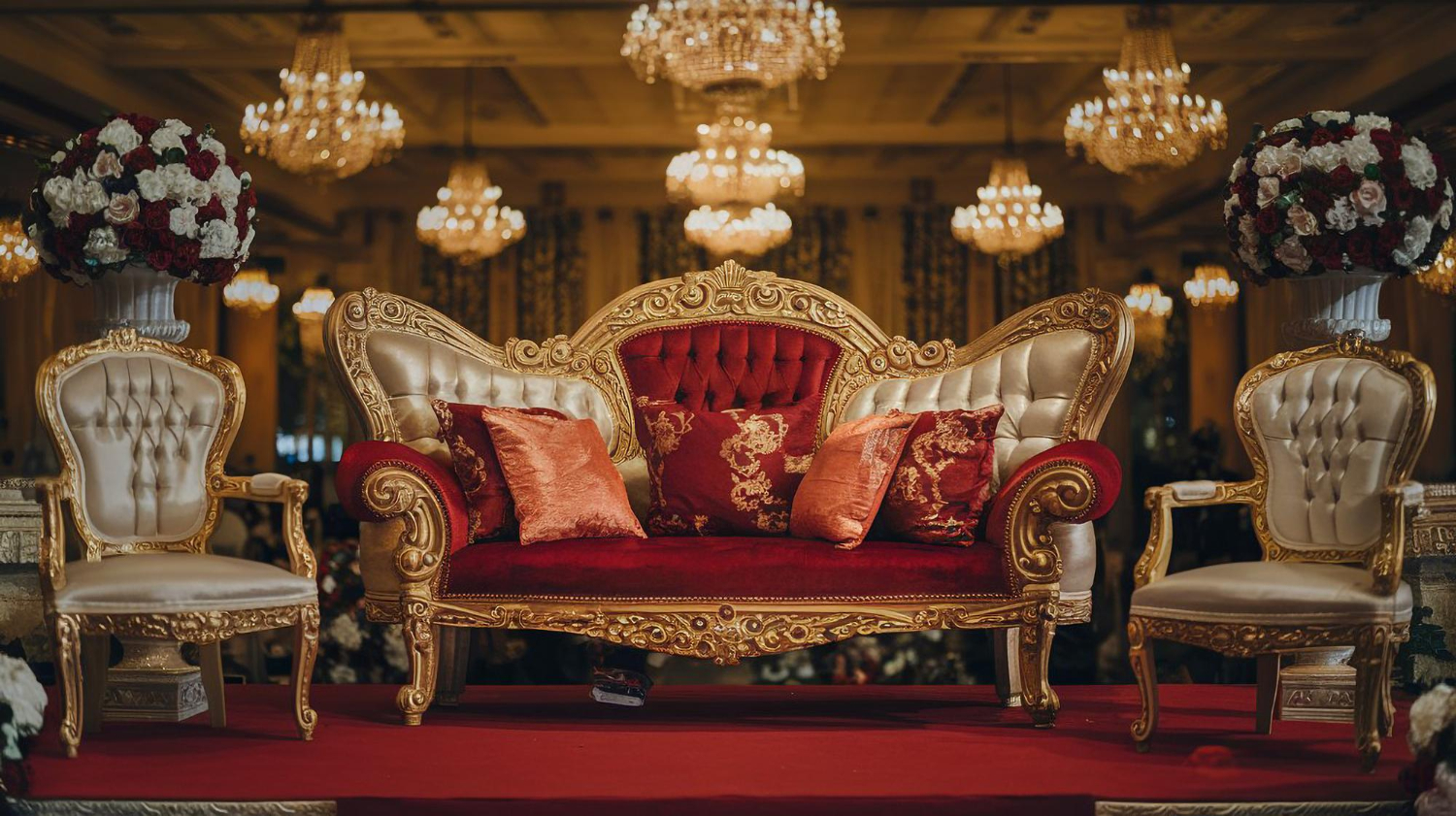
For private villas, banquet halls, and exclusive event venues, oversized Baroque chairs create a royal ambiance ideal for formal dining and celebrations. Chairs with metallic finishes and luxurious fabrics photograph beautifully, making them especially popular for upscale event settings.

Best Materials for Long-Lasting Elegance

Luxury furniture buyers should always focus on quality materials when investing in Baroque dining chairs.

Solid Hardwood Frames

Beechwood, mahogany, and oak are among the most preferred materials for authentic Baroque furniture. These woods provide excellent durability while supporting intricate hand-carved detailing.

Premium Upholstery

Velvet remains one of the most luxurious upholstery choices for Baroque style dining chairs due to its rich texture and sophisticated appearance. Genuine leather also offers timeless elegance and easier maintenance in hospitality settings.

Handcrafted Finishes

Hand-applied finishes such as antique gold leaf, silver accents, and distressed wood treatments add character and exclusivity to luxury dining furniture.

How to Style Baroque Dining Chairs Elegantly

Creating a luxurious dining environment requires thoughtful styling. Here are a few professional interior design tips:

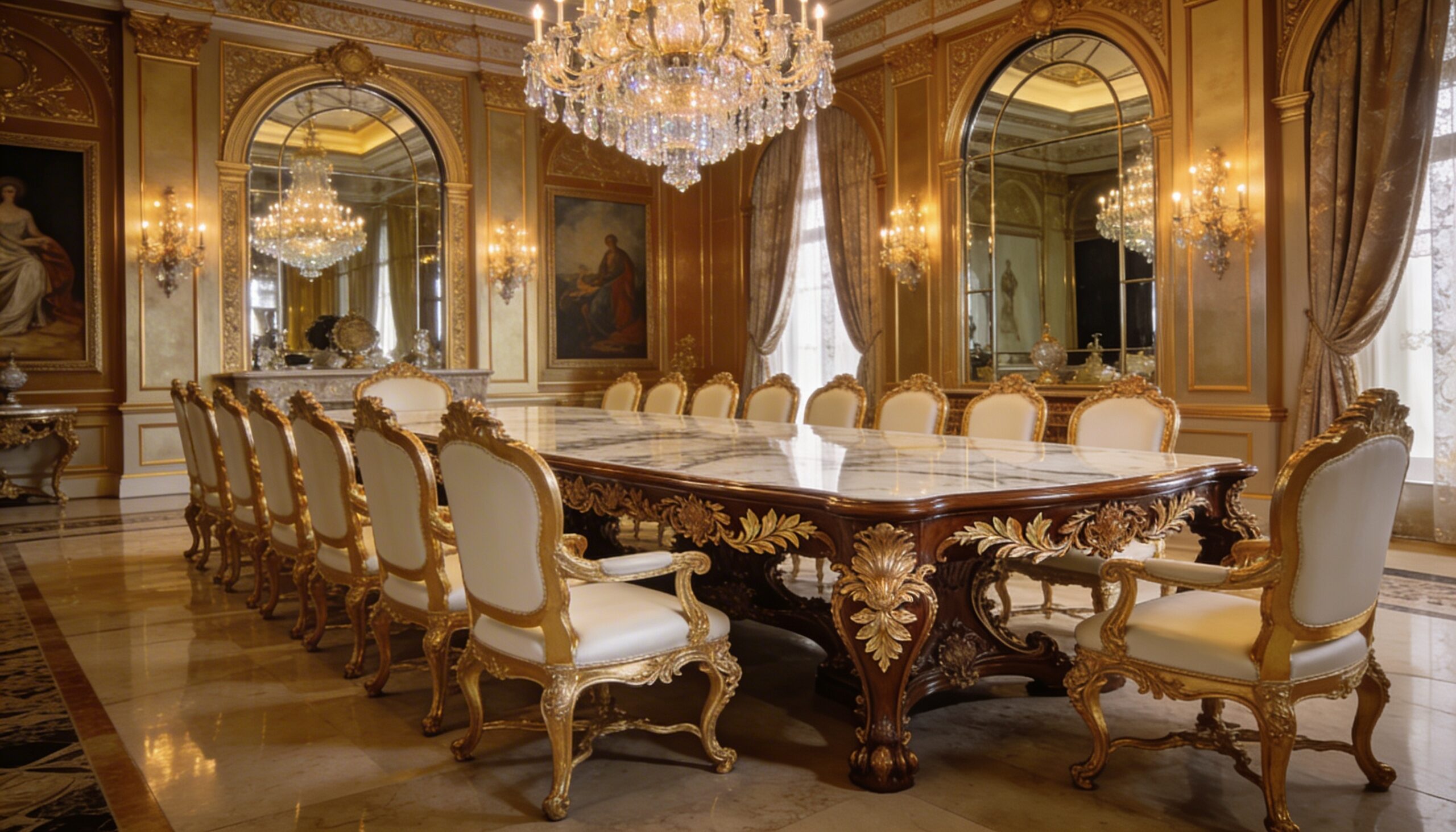
  • Pair ornate chairs with marble or carved wood dining tables
  • Use crystal chandeliers for enhanced visual drama
  • Add textured curtains and decorative wall panels for depth
  • Incorporate soft ambient lighting to highlight carved details
  • Balance bold chair designs with neutral flooring and walls

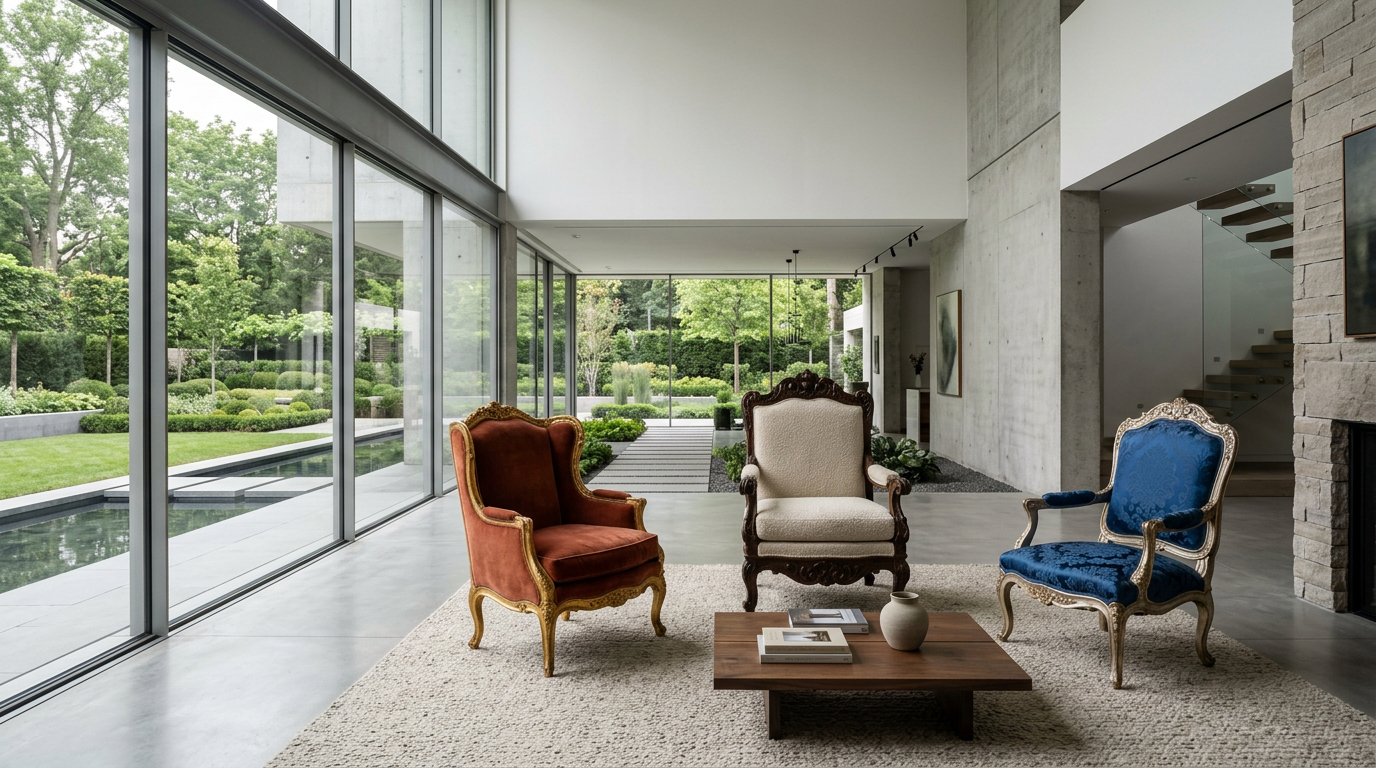
For contemporary luxury interiors, many designers now mix Baroque dining chairs with modern dining tables to create a refined fusion aesthetic that feels both classic and current.

Investment Value of Baroque Dining Chairs

Luxury furniture is not simply about decoration—it is also about long-term value. High-quality Baroque dining chairs often maintain their appeal for decades due to their timeless design and superior craftsmanship.

Unlike mass-produced furniture trends that quickly become outdated, handcrafted Baroque seating continues to symbolize sophistication across generations. This makes it an ideal investment for luxury homeowners, hospitality projects, and collectors seeking furniture with enduring elegance.

Final Thoughts

Choosing the right Baroque dining chairs involves more than selecting beautiful furniture. True luxury comes from combining artistic craftsmanship, ergonomic comfort, premium materials, and timeless European elegance.

Whether furnishing a luxury hotel dining area, a private villa, or a sophisticated home interior, carefully selected Baroque style dining chairs can completely transform the atmosphere of the space. By prioritizing both comfort and design, buyers can create dining experiences that feel welcoming, luxurious, and unforgettable.

For those seeking timeless sophistication, few furniture styles offer the same level of grandeur, refinement, and comfort as authentic Baroque dining seating.
White and Gold Dining Chairs: How to Add Royalty to Your Dining Room

Transform your everyday meals into courtly affairs

The Crown Jewel of Your Dining Space

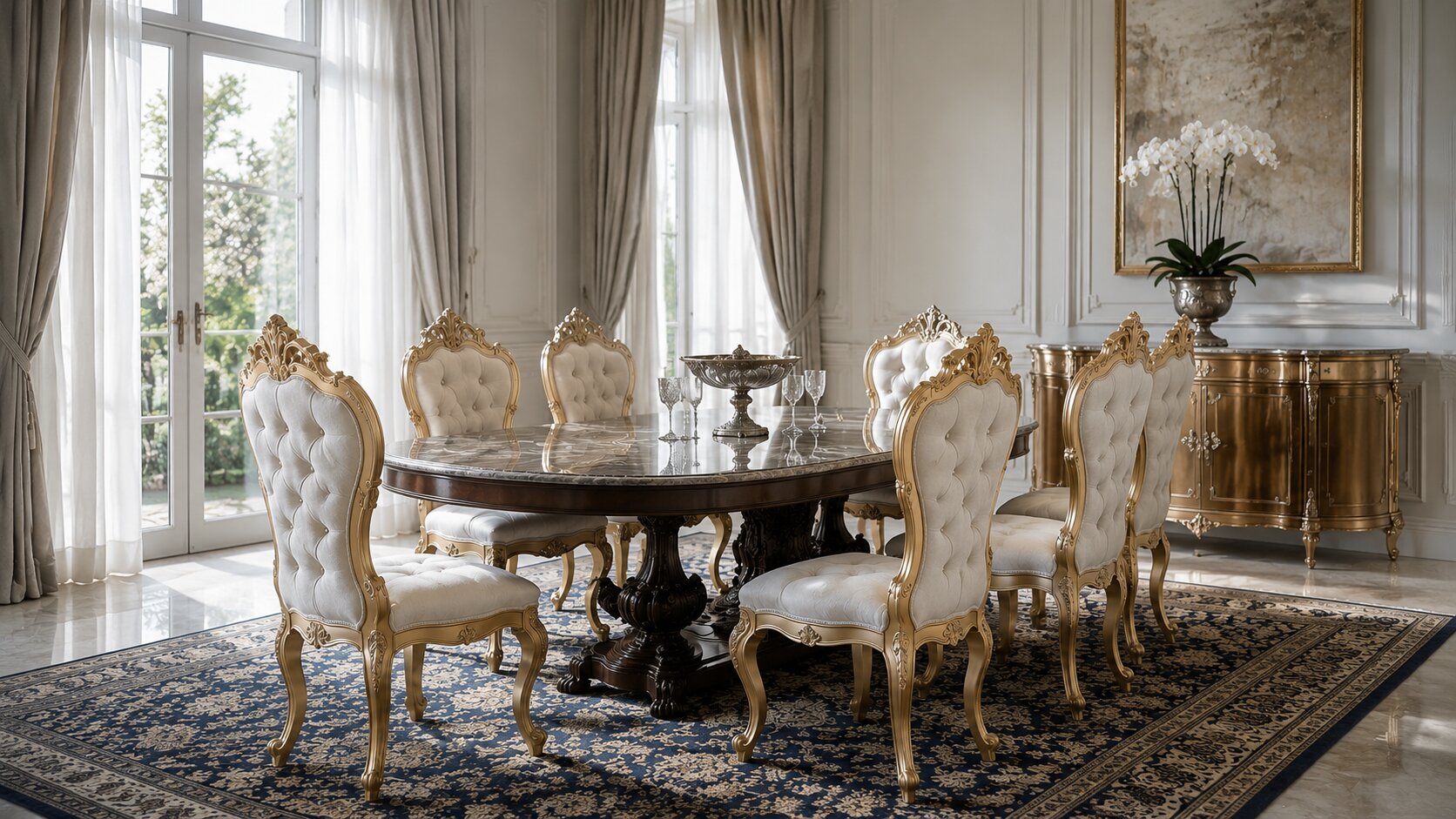
Some furniture whispers. White and gold dining chairs announce. They carry the visual DNA of Versailles ballrooms and European palaces, yet they translate effortlessly into contemporary homes. When you introduce these pieces into your dining room, you are not merely adding seating—you are installing a regal ambiance that elevates every gathering, from Tuesday night pasta to holiday feasts.

The combination of pristine white upholstery and burnished gold framing strikes a rare balance. White suggests purity, openness, and modern restraint. Gold delivers warmth, heritage, and unmistakable luxury. Together, they create a throne-like presence without overwhelming your space.


Why Baroque Design Still Reigns


The Baroque dining chairs tradition dates to 17th-century Europe, an era when furniture served as political theater. Kings and cardinals commissioned pieces designed to impress, intimidate, and immortalize. The signature elements—cabriole legs, scrollwork crest rails, gilded acanthus carvings—were never subtle. They were declarations of power.

Today, that same dramatic DNA works differently. In an age of mass-produced minimalism, Baroque dining chairs offer something increasingly rare: craftsmanship with a story. The hand-carved details, the gold leaf application, the sculptural silhouettes—these elements introduce soul into spaces that might otherwise feel anonymous.

Modern manufacturers have refined the proportions. Contemporary white and gold dining chairs retain the ornamental spirit but sit lower, leaner, and more comfortably than their ancestors. They reference history without living in it.


Building Your Regal Dining Room: A Practical Guide


Start with the Foundation

Before selecting your chairs, assess your dining table. White and gold dining chairs pair most effectively with:

  • Dark wood tables (walnut, espresso, ebonized oak): The contrast makes both elements sing
  • Marble or stone tops: Natural veining complements the chairs’ organic carvings
  • Glass tables: Creates an airy, floating effect that prevents visual heaviness

Avoid light wood or white-washed tables unless you intend an aggressively monochromatic look, which can wash out the gold detailing.


Scale and Placement

Regal ambiance depends on breathing room. Resist the urge to overcrowd.


Table Length Chair Count Spacing Rule
72 inches 6 chairs 24 inches per seat minimum
96 inches 8 chairs Allow 6 inches between chair edges
120+ inches 10–12 chairs Consider host chairs with taller backs


Position Baroque dining chairs so their crest rails are visible from the room’s entry point. These silhouettes deserve to be seen in profile.


Upholstery That Lasts

Not all white fabrics are equal. For dining applications, prioritize:

  • Performance velvet: Stain-resistant, luminous, and historically accurate to Baroque luxury
  • Crypton or Sunbrella blends: Impervious to red wine and olive oil disasters
  • White leather or faux leather: Wipes clean, develops patina, reads as modern royalty

Avoid pure linen or cotton unless you enjoy anxiety with your appetizers.


Styling the Regal Ambiance


Lighting as Your Co-Conspirator

A white and gold dining chair demands illumination worthy of its detailing. Consider:

  • A crystal or brass chandelier hung 30–36 inches above the table surface
  • Wall sconces with candle-style bulbs flanking a sideboard
  • Dimmer switches essential—regal ambiance requires mood flexibility

The gold in your chairs will catch and amplify warm light, creating a subtle glow that flatters both the room and your guests


The Art of Restraint

The fastest way to cheapen a royal aesthetic is over-decoration. When your Baroque dining chairs are the stars, keep supporting elements disciplined:


Element Regal Approach Avoid
Walls Warm white, soft grey, or deep jewel tones (emerald, sapphire) Busy wallpaper or accent walls
Window Treatments Floor-length linen panels in ivory or champagne Heavy brocade or tassels
Table Settings Simple white porcelain, gold-rimmed crystal, single stem vases Cluttered centerpieces or mixed metals
Rug Low-pile antique Persian or solid wool in navy or charcoal Shag, geometric patterns, or bright colors


Let one element carry the ornamentation. When everything competes, nothing wins.


Real-World Applications


The Urban Apartment: A Brooklyn couple placed six white and gold dining chairs around a reclaimed wood farmhouse table. The chairs’ formality elevated the rustic table; the table’s roughness grounded the chairs’ opulence. The result feels curated, not decorated.

The Suburban Family Home: In a Texas breakfast nook, four scaled-down Baroque dining chairs in white vinyl surround a round marble table. Gold pendant lights above echo the chair frames. The space reads as special-occasion worthy yet survives daily pancake breakfasts.

The Minimalist Loft: A Copenhagen designer used two high-back white and gold dining chairs as host seats at a concrete table, flanked by simple black side chairs. The asymmetry is intentional, modern, and quietly aristocratic.


The Psychology of Dining Like Royalty


There is measurable impact in environment. Studies in environmental psychology suggest that dining in aesthetically considered spaces slows eating pace, increases conversation quality, and enhances perceived flavor. When you sit in a chair that resembles a throne, posture improves. Shoulders drop. The meal becomes an event.

White and gold dining chairs do not merely decorate. They ritualize. They signal to your brain and your guests that this moment—this meal, this conversation—matters.


Caring for Your Investment


Preserve the regal ambiance with consistent maintenance:

  • Dust gold frames weekly with a microfiber cloth; polish monthly with a non-abrasive gold cleaner
  • Vacuum upholstery monthly using a soft brush attachment
  • Address spills immediately with a damp white cloth—never rub, always blot
  • Rotate chair positions quarterly to ensure even light exposure and wear

With proper care, these pieces age into heirlooms rather than deteriorating into regrets.


Conclusion: Claim Your Crown


Introducing white and gold dining chairs into your home is an act of design confidence. It rejects the notion that everyday spaces must be merely functional. It embraces the idea that beauty, history, and ceremony have a place at your table.

You need not live in a palace to dine like royalty. You need only choose seating that understands the assignment.


The Throne of the Modern Manor: 10 Must-Have Baroque Style Armchairs for Luxury Homes

There is a specific kind of magic that happens when you place a piece of 17th-century drama into a 21st-century room. It’s the “Baroque effect”—an instant infusion of history, weight, and unapologetic opulence. While minimalism has had its decade in the sun, 2026 is seeing a massive return to maximalist soul. Luxury homeowners are no longer looking for furniture that “blends in”; they are looking for furniture that commands a standing ovation.

The Baroque armchair is the undisputed heavy hitter of this movement. With its signature “cabriole” legs, hand-carved wood, and “scrollwork” flourishes, it transforms a simple corner into a curated gallery. Whether you’re styling a sprawling estate in the hills or a high-ceilinged urban penthouse, these ten Baroque style armchair picks represent the pinnacle of current luxury interior trends.


1. The Gilded Throne: Louis XV Royal Bergère


The Bergère is the “gold standard” of Baroque comfort. Unlike open-sided chairs, the Bergère features upholstered sides that “embrace” the sitter.


  • The Look: Deep-seated, with a massive curved backrest and gold-leaf finish.
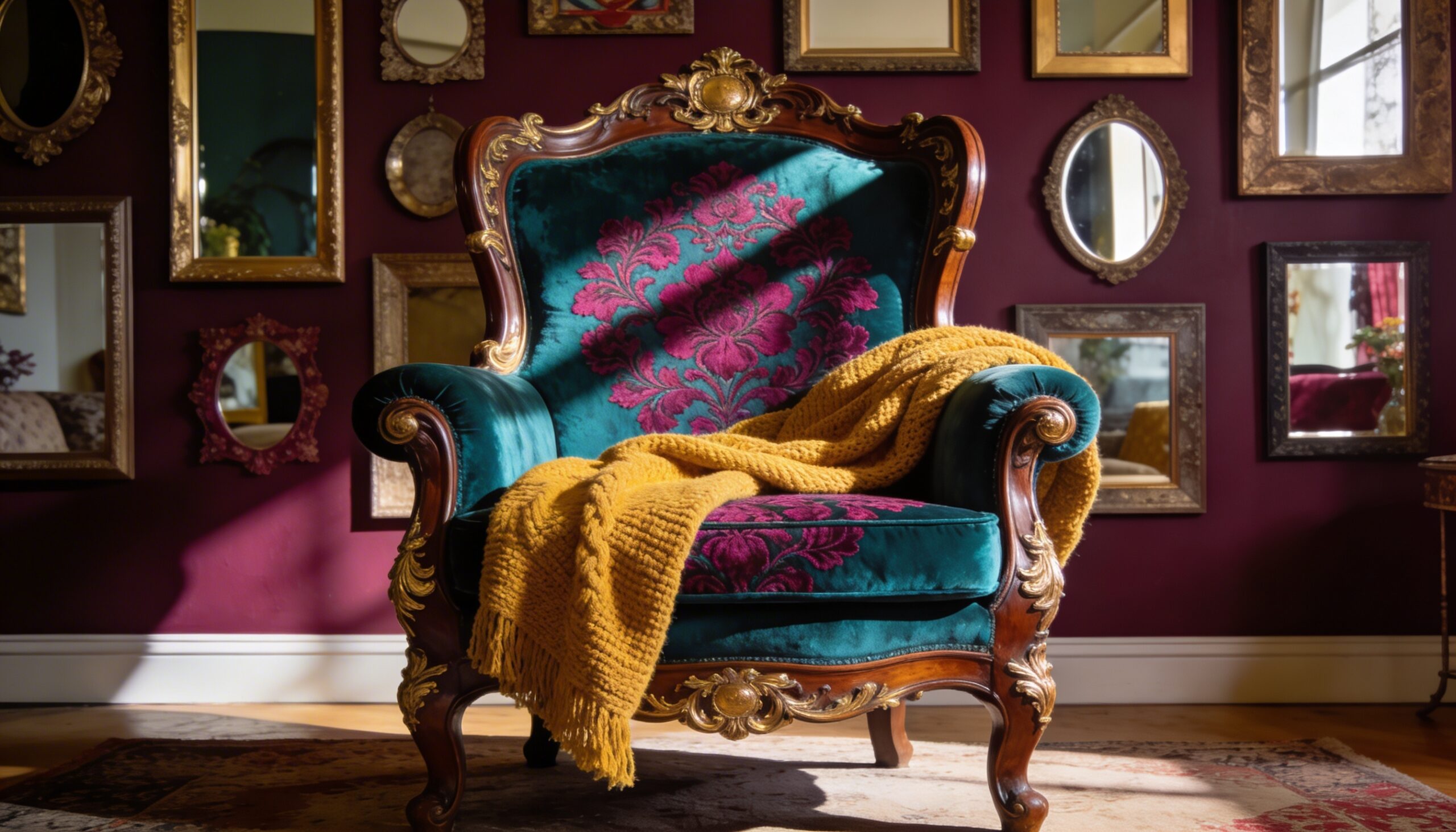
  • Luxury Tip: Look for 2026’s “Thyme Green” or “Deep Terracotta” velvet upholstery. These earthy tones modernize the high-shine gold frame, grounding the piece in “Quiet Luxury.”


2. The Gothic Baroque: Obsidian & Silver Medallion


For those who prefer their luxury with a side of mystery, the black-on-silver Baroque chair is a masterclass in mood.

  • The Look: A frame carved from solid mahogany, finished in a high-gloss black lacquer or matte silver, paired with black tufted leather.
  • Why it works: It acts as a perfect “anchor” in a bright, modern room, providing a sharp, architectural silhouette that feels both ancient and avant-garde.


3. The “Collaged” Accent: Mixed-Material Baroque


One of the top trends for 2026 is “Collaging”—the intentional use of multiple fabrics on a single piece of furniture.

  • The Look: A traditional Baroque style armchair frame where the exterior is a rough, tactile linen and the interior seating is a buttery-soft silk or mohair.
  • Engagement Angle: This is the ultimate “bespoke” piece. It tells your guests that this chair wasn’t bought off a shelf; it was commissioned.


4. The Italian Showstopper: The Vimercati Classic


Italian Baroque is known for being more exuberant and “vocal” than its French counterparts.

  • The Look: Incredible vertical height, with backrests that often feature “crown” carvings at the peak.
  • Placement: These are best used in pairs. Place them at the end of a long dining table or flanking a grand fireplace to create a sense of symmetry and power.


5. The “Rococo Lite”: The White & Champagne Armchair


If a full-gold chair feels too heavy for your aesthetic, the Rococo-influenced Baroque style is your best friend.

  • The Look: A white-washed or “pickled” wood frame with subtle champagne-gold accents on the flourishes.
  • Vibe: This is perfect for “Coastal Luxury” or “Modern Farmhouse” interiors that need a touch of femininity and light.


Comparison: Why Choose Baroque Over Modern?


Feature Baroque Armchair Modern Minimalist Chair
Visual Impact High (Statement Piece) Low (Functional Blend)
Detailing Hand-Carved Scrollwork Clean Lines/Angles
Material Feel Tactile (Velvet, Silk, Gold Leaf) Smooth (Leather, Metal, Plastic)
Atmosphere Formal, Regal, Artistic Relaxed, Industrial, Simple


6. The Throne-Back: Tall-Back King Chairs


Nothing says “luxury” like a chair that literally rises above the rest of the furniture.

  • The Look: An exaggeratedly tall backrest, often reaching five feet in height, featuring “Capitonne” (deep button-tufting).
  • Designer Secret: Use this as a “Solitaire” piece. It doesn’t need a matching set; it’s a sculptural work of art that stands alone in a foyer or a library corner.


7. The Sculptural Silhouette: The Swan-Neck Armchair


In 2026, organic shapes are trending. The Baroque style, with its naturalistic carvings of acanthus leaves and animals, fits this perfectly.

  • The Look: Armrests that terminate in carved swan heads or lion paws.
  • Tactile Appeal: This appeals to our desire for “high-touch” environments. Running your hand over a hand-carved lion’s mane is a sensory experience you won’t get from a flat-pack chair.


8. The Modern Mirror-Finish: Chrome & Velvet


For a penthouse look, look for designers who are reimagining the Baroque style armchair in modern metals.

  • The Look: The classic 17th-century shape, but cast in polished chrome or brushed bronze rather than wood.
  • Luxury Tip: Pair chrome frames with jewel-toned velvets like Sapphire or Emerald to create a high-contrast, “Electric Baroque” aesthetic.


9. The Provincial Baroque: Walnut & Tapestry


Not all luxury is shiny. Sometimes, the most expensive look is the one that looks the oldest.

  • The Look: Natural walnut or rosewood frames with a satin oil finish (no shine). The upholstery is a heavy-weave, modern tapestry featuring biophilic (nature-inspired) patterns.
  • Why it’s a must-have: It perfectly captures the “Biophilic Design 2.0” trend—bringing the complexity of nature indoors through artisanal craftsmanship.


10. The Bouclé Baroque: Texture Overload


Combining the trendiest fabric of the decade (bouclé) with the oldest silhouette (Baroque).

  • The Look: A heavily carved, dark wood frame paired with chunky, nubby white bouclé fabric.
  • The Result: The “Soft Revolution.” It’s an armchair that looks like a museum piece but feels like a cloud. It’s the ultimate “Quiet Luxury” statement.


Development Tip: How to Style Baroque in a Modern Home


The biggest fear homeowners have with a Baroque armchair is that it will make their home look like a dusty museum. Here is how to keep it fresh:

  1. The 80/20 Rule: Keep 80% of your room modern and sleek (clean-lined sofas, neutral walls, hidden tech). Let the remaining 20% be your Baroque statement pieces. This contrast makes the armchair look like a deliberate art choice.
  2. Mind the Scale: Baroque chairs can be “heavy.” Ensure you have enough negative space around the chair. Don’t crowd it with side tables or lamps; let its silhouette breathe.
  3. Lighting is Everything: Because these chairs feature intricate carvings, use layered lighting. A warm floor lamp positioned to hit the gold leaf from the side will create shadows that make the carvings pop, giving you that 3D “architectural intervention” look.


Final Thoughts: Investing in Art


A high-quality Baroque armchair is more than just a place to sit; it is a legacy investment. In a world of fast furniture and disposable trends, these pieces celebrate the human hand. They represent a time when furniture was built to convey status and tell a story.

By choosing a piece that balances 17th-century grandeur with 2026’s earthy palettes and tactile fabrics, you aren’t just decorating a room—you’re crowning it.

Which style speaks to your home’s personality? Are you leaning toward the “Electric Baroque” of chrome and velvet, or the “Quiet Luxury” of satin-finish walnut? Let us know in the comments!

Design Story: How Baroque Dining Chairs Evolved from Palace Grandeur to Modern EU Homes

When you picture a Baroque palace—think Versailles or Schönbrunn—you likely imagine dripping chandeliers, marble floors, and chairs that look too ornate to sit on. Yet today, baroque style dining chairs are finding a surprising second life in modern apartments across Europe. How did these sculptural seats make the leap from royal courts to cozy dining nooks? Let’s trace the evolution.


The Birth of Baroque: Drama and Power

The Baroque period (17th–early 18th century) was born in Italy and spread across Catholic Europe as a tool of persuasion. The church and monarchy wanted to overwhelm the senses—and dining chairs were no exception.

Early baroque dining chairs were not designed for comfort but for status. Made from solid walnut or oak, they featured:

  • Lavish carvings (acanthus leaves, scrolls, shells)
  • Upholstered seats in velvet or damask
  • Gilded or silvered finishes
  • High, imposing backs

These chairs were never pushed under a table. Instead, they lined banquet hall walls, only brought out for feasts that lasted hours. The message was clear: power sits heavily, and beautifully.


The Rococo Detour: Lighter, but Still Luxurious

By the mid-18th century, Baroque softened into Rococo. While purists distinguish the two, many baroque chairs from this era adopted curvier legs, asymmetrical shells, and pastel upholstery. The silhouette became more intimate—suitable for private salons rather than throne rooms.

However, by the late 1700s, Neoclassicism arrived with a strict “back to Greece and Rome” attitude. Baroque was suddenly deemed excessive. Many chairs were discarded, stored in attics, or stripped of their gilding. For nearly a century, baroque style dining chairs fell out of fashion entirely.


The 19th Century Revival: Historicism and Bourgeois Taste

The Victorian era brought a revival of all things historical. Wealthy European families, particularly in France, Germany, and Austria, commissioned reproductions of 17th-century baroque dining chairs. New manufacturing techniques (steam bending, machine carving) made ornate shapes more affordable.

This period marked the first time baroque chairs entered not just palaces but upper-middle-class homes. The difference? Scale. Revival chairs were slightly smaller, with lower backs and more practical upholstery (cotton or wool blends instead of fragile silk). They were still showpieces, but they could now fit into a standard dining room.


The 20th Century: From Museum Piece to Eclectic Statement

Mid-century modernism declared war on ornament. For decades, baroque style dining chairs were seen as kitsch or outdated. Only antique collectors kept them alive.

Then came the 1980s and 1990s postmodern rebellion. Designers like Ettore Sottsass and Alessandro Mendini began quoting historical styles ironically. Suddenly, a single baroque chair painted matte black—or even neon pink—felt fresh. The rule became: one dramatic Baroque chair at a modern table creates contrast, not clutter.


Today: Baroque in Modern EU Homes

Fast-forward to 2026. Walk into a Copenhagen loft, a Milan apartment, or a Berlin townhouse. You might see a minimalist oak table surrounded by six baroque dining chairs—but with a twist.

Today’s evolution includes:

  • Silhouette retention, material substitution – Chairs keep the curved legs and scalloped aprons but use sustainable beech, ash, or even recycled plastic.
  • Neutral palettes – Gone is the red velvet. Instead, baroque chairs appear in linen, bouclé, or undyed wool in shades of sand, charcoal, or sage green.
  • Mixed seating – Many EU homes pair two Baroque-style host chairs at the head of a table with four industrial or Scandinavian chairs on the sides.
  • Compact proportions – Modern baroque style dining chairs have lower back heights (85–95 cm instead of 120 cm) to fit under standard 75 cm dining tables.

Brands like Lema, Porada, and even IKEA’s limited-edition collections have released Baroque-inspired pieces that are fully upholstered, easy to clean, and stackable. Yes, stackable Baroque.


Why the Enduring Appeal?

Baroque speaks to something we still crave: ceremony. In an age of remote work and fast meals, pulling up a baroque dining chair transforms dinner into an event. The carved wood and gentle curve of the back ask you to sit upright, to linger, to converse.

Moreover, European homes today are smaller but more design-conscious. A single well-placed baroque chair adds texture, history, and warmth—without requiring a palace.


Final Takeaway

From Louis XIV’s Hall of Mirrors to a Sunday pasta dinner in a Roman flat, baroque style dining chairs have survived ridicule, revival, and reinvention. They no longer shout power. Instead, they whisper story.

So next time you see a baroque chair in a modern showroom, don’t mistake it for a relic. It’s a survivor—and it might just be the most interesting seat at your table.

Baroque Chairs vs. Modern Chairs: What’s the Difference in Comfort and Style?

The chair you choose speaks before you do.

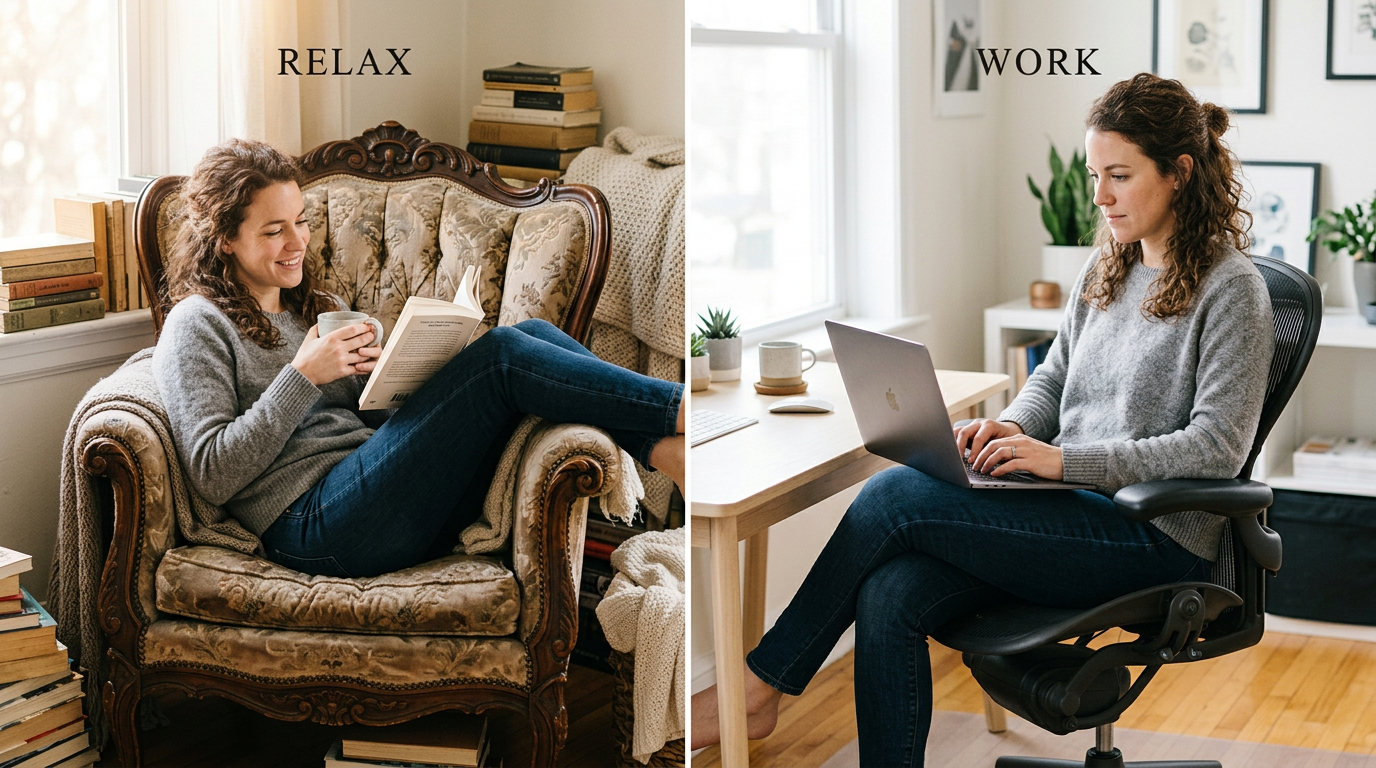
Walk into a room containing Baroque chairs—all gilded curves, velvet depths, and carved mahogany splendor—and you understand immediately: this space values heritage, drama, and the art of lingering. Enter the same room furnished with modern chairs—clean lines, honest materials, ergonomic precision—and the message shifts: efficiency, clarity, contemporary relevance.

But which actually delivers superior comfort? Which ages better? Which suits your body, your space, your life?

This isn’t merely aesthetic preference. It’s a fundamental choice between two competing definitions of how humans should inhabit furniture.


Origins: Power vs. Progress


Baroque chairs emerged from 17th-century European courts—Versailles, Vienna, Rome—where seating was political theater. Louis XIV’s throne wasn’t designed for eight-hour workdays. It was engineered to display wealth, anchor authority, and accommodate elaborate dress (those wide armrests? Originally for supporting voluminous sleeves and heavy embroidery).

The modern chair revolution arrived three centuries later, birthed by industrial capability and changing human needs. The Bauhaus宣言 of 1919—”form follows function”—rejected ornament as crime. Chairs became machines for sitting, optimized for factories, apartments, and democratic access.

Understanding this lineage explains everything that follows.


The Comfort Equation: Two Different Mathematics


Baroque Comfort: The Art of Repose

Baroque chairs prioritize positional comfort over task comfort. Their design assumes:

  • Extended, stationary sitting (conversation, receiving guests, contemplation)
  • Multiple posture options (upright formal, semi-reclined informal, sideways perching)
  • Supportive cushioning that molds to the body over time

Key comfort features:

  • Deep, loose seat cushions: Down-filled or high-resilience foam wrapped in soft batting, creating a “sinking” sensation that distributes weight broadly
  • Curved backrests: Following natural spine curvature without aggressive lumbar forcing
  • Generous proportions: 60cm+ seat widths accommodating various body sizes and clothing layers
  • Armrest height: Positioned for elbow support during conversation, not desk work

The result? Sublime comfort for reading, talking, thinking. Potential strain for laptop use, dining, or rapid position changes.


Modern Comfort: The Science of Support

Modern chairs approach comfort as biomechanical optimization. Their design assumes:

  • Varied tasks requiring focus and productivity
  • Extended sitting with health consequences to mitigate
  • Universal adjustability across body types

Key comfort features:

  • Ergonomic engineering: Lumbar support at precise heights (typically 15-20cm above seat), pelvic tilt encouragement, neck alignment
  • Responsive materials: Molded plywood, tensioned mesh, memory foam—materials that react to pressure rather than simply absorbing it
  • Dimensional restraint: Seat depths around 45-50cm preventing slouching, heights enabling feet-flat-floor positioning
  • Visual lightness: Open structures reducing psychological heaviness

The result? Sustainable comfort for focused work, meals, active sitting. Potential impersonality for purely social or contemplative use.


Aesthetic Impact: Atmosphere as Material


Baroque Chairs: The Maximalist Statement

A single Baroque chair commands 4-6 square meters of visual territory. Its presence:

  • Anchors traditional architecture: Crown moldings, herringbone floors, and tall windows find their match in carved walnut and gold leaf
  • Creates temporal depth: The patina of age—worn velvet, faded gilding—introduces narrative and authenticity
  • Encourages ceremony: Sitting becomes intentional, not casual. The chair demands posture, attention, presence

European palaces and Parisian apartments deploy Baroque chairs as sculptural anchors within larger compositions. They’re rarely the only seating—instead, they establish hierarchy. The Bergère for the host. The simpler chairs for guests.

Material signatures:

  • Solid hardwood frames (walnut, mahogany, beech)
  • Natural upholstery (silk velvet, damask, aged leather)
  • Hand-finished surfaces with deliberate imperfection


Modern Chairs: The Quiet Revolution

Modern chairs recede visually to let space breathe. Their contribution:

  • Amplifies architecture: Clean lines don’t compete with views, light, or spatial flow
  • Enables flexibility: Lightweight, stackable, modular—furniture as adaptable infrastructure
  • Signals contemporary relevance: Sharp geometry and industrial materials read as current, progressive, aware

Scandinavian and Japanese interiors particularly favor modern chairs for their ability to create calm through reduction. The eye rests. The mind clears.

Material signatures:

  • Engineered materials (molded plywood, formed plastic, bent metal)
  • Performance textiles (technical weaves, stain-resistant synthetics)
  • Precision finishes celebrating manufacturing capability


The Hybrid Reality: Contemporary Solutions


Contemporary furniture design increasingly refuses this binary. Consider:

Neo-Baroque: Modern chairs incorporating Baroque proportions and comfort—deep seats, curved backs—without historical ornament. Think Philippe Starck’s Ghost chair: Louis XVI silhouette in transparent polycarbonate.

Minimalist Ornament: Baroque chairs stripped to essential curves, rendered in monochrome fabrics and matte finishes. Traditional comfort, contemporary restraint.

Ergonomic Traditional: Medical-grade lumbar support hidden within Baroque chair upholstery. The eye sees heritage; the spine receives science.


Decision Framework: Which Suits You?


Your Priority Choose Baroque Choose Modern
Primary activity Conversation, reading, contemplation Work, dining, active hobbies
Room architecture Historic, ornate, high ceilings Contemporary, minimal, open plan
Sitting duration 1-3 hours, position changes 4+ hours, sustained focus
Maintenance tolerance High (upholstery, wood care) Low (wipe-clean surfaces)
Investment timeline Generational (30+ years) Cyclical (5-10 years)
Body considerations Prefers soft support, varied positions Needs firm lumbar, precise alignment


The Investment Perspective


Authentic Baroque chairs—18th-century originals or faithful reproductions—command €3,000-€15,000+ per piece. They appreciate as cultural assets, require professional restoration, and demand climate-controlled environments.

Quality modern chairs—Eames, Wegner, contemporary design—range €500-€5,000. They depreciate as functional objects, withstand intensive use, and enable easy replacement as needs evolve.

Neither is “better.” They’re different asset classes serving different life strategies.


The Verdict


The Baroque chair asks: What do you want to feel?
The modern chair asks: What do you want to do?

Your answer determines everything—comfort, cost, longevity, and the silent statement your space makes about your values.

European interiors increasingly combine both: modern chairs for daily function, Baroque chairs for occasional grandeur. The dining table surrounded by clean-lined seating. The corner anchored by a single carved throne.

Perhaps the question isn’t which to choose. It’s which deserves dominance in your particular life.

Why Baroque Armchairs Are Taking Over Maximalist Homes in 2026

For years, the interior design world was obsessed with “quiet luxury” and the stark, clinical lines of ultra-minimalism. We sat on flat, grey slabs of foam and called it sophisticated. But as we move through 2026, the pendulum has swung back—hard.

Welcome to the era of Mindful Maximalism, where our homes are no longer just “content backgrounds” but story-filled sanctuaries. At the heart of this revolution is a surprising comeback kid: the baroque armchair. Once dismissed as museum relics or “too formal,” these ornate seating powerhouses are being rediscovered as the ultimate comfort solution for the modern home.

If you’ve been eyeing a baroque style armchair but worry it might be more “stiff royalty” than “Saturday lounge,” think again. Here is why the most intricate seat in the house is actually the most comfortable one you’ll own this year.


1. The Ergonomics of Opulence: Beyond the Carvings

There is a common myth that “ornate” equals “uncomfortable.” In reality, the baroque style was birthed in an era where furniture was designed for long-term presence. In 2026, manufacturers are blending 17th-century aesthetics with 21st-century “workspitality” standards.

Unlike the low-slung, “blob” furniture of the early 2020s that offered zero lumbar support, a comfortable baroque chair provides:

  • High-Back Structural Integrity: The iconic high-back design of the baroque period aligns perfectly with today’s focus on spinal health.
  • Wider Proportions: Modern iterations feature generous seat widths that accommodate “active sitting”—the ability to shift, curl up, or cross your legs comfortably.
  • Memory Foam Integration: While the outside looks like a Versailles antique, the insides are often packed with high-density memory foam or pocket springs, a far cry from the stiff horsehair of the past.


2. Maximalist Living Room Seating: The “Anchor” Effect

In a maximalist home, where patterns clash and colors run deep (think chocolate browns, burgundies, and the 2026 favorite, Transformative Teal), you need a piece of furniture with “visual weight.”

An ornate armchair acts as a grounding anchor. Because these chairs are physically substantial—often featuring hand-carved solid wood frames in walnut or mahogany—they feel more secure. There is a psychological comfort in sitting in a chair that feels permanent and sturdy, especially in an era of “fast furniture” that creaks the moment you lean back.


3. Tactile Emotionalism: Velvet, Silk, and Soul

The 2026 design trend “Tactile Emotionalism” emphasizes sensory depth. We want to touch our furniture and feel something.

  • Baroque armchairs are the perfect canvas for rich fabrics like crushed velvet, heavy damask, and intricate embroidery.
  • Recent surveys show that 85% of designers are now sourcing vintage or “heritage-style” pieces to add soul to rooms.
  • Comfort Stat: Did you know that tactile fabrics like velvet have been shown to lower cortisol levels more effectively than synthetic, smooth surfaces? The “huggable” nature of a plush baroque chair is literally a stress-reliever.


Myth-Busting: Is Baroque “Too Much” for My Space?

The Myth: “I need a mansion to pull off a baroque armchair.”

The 2026 Reality: In the “Smart Shrinking” trend of 2026, designers are using one single, high-impact baroque style armchair to define “micro-spaces.” A single ornate chair in a corner creates an instant reading nook or mini-library, making even a small apartment feel like a curated estate.


4. Styling Your Ornate Armchair in 2026

To keep the look fresh and avoid the “grandma’s parlor” vibe, 2026 maximalism is all about the Juxtaposition:

  • The Fabric Flip: Pair a gold-leafed frame with a bold, neon-floral fabric or a monochrome bouclé.
  • The Metal Mix: Surround your chair with sleek, 2026-style “aged metals” or silver accents to bridge the gap between historical and futuristic.
  • The Rug Stack: Place your armchair on top of a layered rug setup—a traditional Persian rug topped with a smaller, irregularly shaped modern piece.


Your Turn: The Great Fabric Debate

We want to see how you’re lounging! Are you a fan of the classic “royal” look, or do you prefer a modern twist?

Poll: Which fabric makes a baroque armchair the ultimate “comfort zone” for you?

  1. Plush Velvet (The “Hug” Factor)
  2. Embroidered Linen (The “Nostalgic” Vibe)
  3. Bold Patterned Silk (The “Statement” Seat)
  4. Textured Bouclé (The “Modern” Fusion)

Drop a photo of your favorite maximalist seating nook in the comments below! We’ll be featuring our favorite reader “armchair showcases” in next month’s design roundup.


Conclusion

The baroque armchair is no longer a museum piece; it is a 2026 essential. By combining historical grandeur with modern comfort technology, these chairs offer a level of physical and emotional support that minimalist furniture simply can’t match. Whether you’re curling up with a book or hosting a long conversation, remember: in 2026, more is more, and comfort is king.

Royal Seating Design: Baroque Chairs That Command Elegance

Luxury interiors are often defined by statement pieces that immediately communicate sophistication and heritage. Among the most iconic examples are baroque chairs—seating designs that combine dramatic sculptural silhouettes, elaborate carved wood detailing, and radiant gold finishes. These pieces are not simply furniture; they represent centuries of European craftsmanship and aristocratic style.

A well-crafted baroque chair instantly transforms a space. Whether placed in a luxury home, a boutique hotel suite, or an elegant reception area, it introduces grandeur and artistic character. As part of the broader tradition of baroque furniture, these chairs embody a design philosophy that celebrates ornamentation, craftsmanship, and timeless elegance.

Why Baroque Chairs Remain a Symbol of Luxury

Across Europe, interior designers and luxury homeowners continue to choose baroque chairs for their powerful visual presence and heritage craftsmanship.

Here are some of the reasons why they remain highly desirable:

Architectural presence – A baroque chair acts as a focal point in a room due to its dramatic silhouette and sculptural form.
Handcrafted artistry – The carved wood frames showcase traditional European craftsmanship rarely found in mass-produced furniture.
Luxurious finishes – Gold leaf, antique silver, and polished wood finishes enhance the elegance of baroque furniture.
Versatility in luxury interiors – These chairs complement both classic and contemporary luxury spaces.
Timeless design appeal – Unlike temporary trends, baroque chairs maintain relevance across generations.

Interior designer Sophie Laurent once described the impact of classical seating beautifully:

“A well-crafted baroque chair does more than offer a seat—it becomes a sculptural centerpiece that elevates the entire atmosphere of a room.”

Sculptural Silhouettes That Define Baroque Design

One of the most distinctive elements of baroque chairs is their dramatic silhouette. Unlike minimalist furniture styles, a baroque chair celebrates bold curves and elaborate forms.

Typical structural characteristics include:

High decorative backrests that create a sense of grandeur
Gracefully curved legs that add movement and elegance
Ornamental armrests with carved scroll patterns
Crested tops or decorative crowns that emphasize regal design

These sculptural forms give baroque furniture its unmistakable identity. The design is intentionally dramatic, allowing the chair to function almost like an art object within the room.

In luxury hotels and private residences, designers often place baroque chairs in spaces where visual impact matters most—such as living rooms, entry halls, and reception lounges.

Hand-Carved Wood Detailing: The Heart of Baroque Craftsmanship

A defining feature of every authentic baroque chair is the intricate carving that shapes its wooden frame. Skilled artisans carefully sculpt hardwood to create decorative motifs that enhance the elegance of the design.

Common carving patterns found in baroque furniture include:

Acanthus leaves – A classic motif from European decorative arts
Floral scrollwork – Flowing patterns that create depth and movement
Royal crests – Symbolic elements that reflect aristocratic heritage
Decorative vines and curves – Details that soften the structural lines

Each carved element adds dimension and character to the chair. When light touches the carved surfaces of a baroque chair, shadows and highlights reveal the complexity of the craftsmanship.

Furniture historian Alessandro Ricci once noted:

“Baroque furniture was never meant to be quiet. Every curve and carving speaks of craftsmanship, power, and artistic expression.”

Gold Leaf Finishes That Reflect Royal Heritage

No discussion of baroque chairs is complete without mentioning the luxurious finishes that define the style. Historically, European royal courts favored furniture decorated with gold leaf—a tradition that continues today.

Gold detailing enhances the beauty of a baroque chair in several ways:

Highlights carved details in the wooden frame
Reflects natural light, creating a luminous visual effect
Adds a regal aesthetic that elevates the entire interior

Although gold remains the most recognizable finish, modern baroque furniture also appears in:

• Antique silver tones
• Ivory or cream lacquer finishes
• Rich dark wood textures

These variations allow baroque chairs to complement a wide range of luxury interior styles while maintaining their classical identity.

Where Baroque Chairs Work Best

One of the reasons baroque chairs remain popular in modern design is their versatility. They can enhance both residential and hospitality interiors.

Luxury Homes

In private residences, a baroque chair is often used as an accent piece. Ideal placements include:

• Living rooms as decorative statement seating
• Dressing rooms or vanity areas
• Elegant reading corners or private salons

The presence of baroque furniture introduces a refined European atmosphere that instantly elevates the space.

Luxury Hotels and Boutique Properties

Hospitality designers frequently incorporate baroque chairs into hotel interiors to create a memorable guest experience.

Common placements include:

• Hotel lobby lounges
• VIP suites and executive rooms
• Fine dining spaces
• Reception areas

As hospitality designer Claudia Werner explains:

“Guests remember spaces that feel distinctive. Baroque seating introduces character and heritage that modern furniture alone cannot replicate.”

The Timeless Appeal of Baroque Furniture

Design trends constantly evolve, yet baroque chairs remain consistently admired. Their longevity comes from the unique balance of artistry, craftsmanship, and dramatic design.

Key qualities that make baroque furniture timeless include:

• Heritage craftsmanship rooted in European tradition
• Sculptural design that functions as decorative art
• Luxurious finishes that maintain visual richness
• A strong connection to historical architecture and culture

For luxury homeowners and designers across Europe, investing in a baroque chair is not simply about acquiring furniture—it is about bringing a piece of artistic heritage into the interior.

Conclusion

In the world of luxury interiors, baroque chairs stand as enduring symbols of elegance and craftsmanship. Their sculptural silhouettes, intricate carved wood detailing, and luminous gold finishes create seating pieces that feel both majestic and timeless.

Whether used in a luxury home, boutique hotel, or refined private space, a carefully chosen baroque chair adds character, prestige, and visual drama. As part of the rich tradition of baroque furniture, these chairs continue to inspire designers and collectors who appreciate artistry, heritage, and sophisticated design.

For those seeking seating that goes beyond function and truly commands attention, baroque chairs remain one of the most powerful expressions of royal European elegance.

The Psychology of Sitting in Gold: How Baroque Chairs Change a Room’s Vibe

Luxury is not only seen. It is felt. The moment someone enters a room anchored by a gold Baroque chair, something shifts. The space feels heavier with presence, richer in meaning, and undeniably intentional. This is not accidental. Ornate seating—especially gilded Baroque chairs—has a deep psychological effect on how we perceive space, status, and even ourselves within a room. In this exploration, we look beyond surface beauty and uncover the gold baroque chair psychology—how form, color, and craftsmanship work together to transform mood, authority, and emotional response. If you’ve ever wondered why a single chair can redefine an entire interior, the answer lies in psychology as much as design.

Why Seating Is Psychological, Not Just Functional

Chairs are the most human piece of furniture. Unlike tables or cabinets, seating directly interacts with the body. Where and how we sit affects posture, perception, and behavior. This makes seating one of the strongest emotional anchors in any interior. When seating becomes ornamental—sculptural, elevated, and symbolic—it goes beyond comfort. It communicates hierarchy, intention, and identity. This is where Baroque chairs stand apart. Unlike modern minimalist seating designed to disappear into the background, Baroque chairs demand attention. Their presence signals that the room is not merely functional—it is curated. This is the foundation of luxurious seating psychology: furniture that shapes how people feel the moment they occupy a space.

Gold as a Power Color: What Our Brain Registers Instantly

Color psychology plays a central role in how we experience interiors, and gold is one of the most emotionally loaded hues in design history. Gold is associated with:

  • Power and authority
  • Achievement and legacy
  • Warmth combined with prestige
  • Celebration rather than restraint

Unlike yellow, which energizes, or brass, which feels industrial, gold carries a ceremonial weight. Our brains subconsciously associate gold finishes with value and rarity, which is why they have been used for centuries in palaces, thrones, and formal reception rooms. In the context of gold baroque chair psychology, the color doesn’t just decorate—it elevates. It makes the chair feel less like an object and more like a symbol. Placed in a room, a gold Baroque chair often becomes the emotional center of gravity, anchoring everything else around it.

Form Psychology: Why Baroque Shapes Feel Commanding

Beyond color, form plays an equally powerful psychological role. Baroque chairs are defined by:

  • Curved silhouettes
  • Elaborate carvings
  • Sculptural legs and arms
  • Symmetry balanced with movement

From a psychological perspective, curves suggest luxury and safety, while symmetry communicates order and authority. The elaborate detailing signals craftsmanship, which the brain associates with time, skill, and exclusivity. This combination explains the ornate furniture emotional impact. The chair doesn’t just fill space—it claims it. It subtly tells the sitter and the viewer that this is a place of importance. Where minimalist chairs encourage neutrality, Baroque chairs encourage presence.

How Baroque Chairs Change the Mood of a Room

The baroque style chair mood effect depends on placement and context, but the transformation is always noticeable. In living rooms, a gold Baroque chair introduces drama and hierarchy. Even in contemporary interiors, it creates a focal contrast that adds depth and narrative. In bedrooms or dressing areas, the same chair feels intimate yet indulgent—less about authority and more about personal luxury. In entryways or formal lounges, Baroque seating instantly signals status. Guests subconsciously adjust their posture and behavior around it, responding to the visual cue of importance. This is the subtle psychology of luxury: people don’t need to be told a space is premium—they sense it.

Craftsmanship as an Emotional Signal

One of the most overlooked psychological triggers in luxury furniture is craftsmanship. The human brain is highly sensitive to detail. Hand-carved elements, layered finishes, and sculpted frames communicate effort and permanence. Baroque chairs excel here. Their detailing tells a story of time invested, skills passed down, and design that resists trends. This creates emotional trust. People are more likely to value, respect, and preserve spaces that feel intentionally crafted. This reinforces the ornate furniture emotional impact—luxury that feels earned rather than manufactured.

Quick Personality Quiz: Which Baroque Chair Are You?

Let’s make this personal. Answer the questions below and see which Baroque seating style reflects your personality.

  1. How do you prefer to enter a room?
    A. Quietly, but with undeniable presence
    B. Confidently, commanding attention
    C. Elegantly, with refined charm
  2. Your ideal interior feels:
    A. Regal and composed
    B. Dramatic and bold
    C. Artistic and expressive
  3. Your style philosophy:
    A. Timeless over trendy
    B. Statement over subtle
    C. Detail over simplicity

    Mostly A: You gravitate toward classic gold Baroque armchairs with balanced detailing—commanding but composed.
    Mostly B: Ornately carved, throne-style Baroque chairs suit you—bold, sculptural, unapologetic.
    Mostly C: Curved, decorative Baroque chairs with expressive motifs reflect your artistic sensibility.

Why Designers Use Baroque Chairs as Emotional Anchors

Interior designers often use Baroque seating strategically. One statement chair can set the emotional tone for an entire room, allowing other elements to remain restrained. This is efficient luxury design: fewer pieces, higher impact. From a psychological standpoint, this works because the brain prefers clear focal points. A gold Baroque chair gives the eye a place to rest—and the mind a story to interpret. That story is always one of craftsmanship, history, and intentional excess.

Modern Spaces, Classic Psychology

Interestingly, Baroque chairs are increasingly used in modern interiors. The contrast amplifies their psychological effect. Against neutral walls or minimalist layouts, the ornate form feels even more powerful. This blend satisfies two emotional needs:

  • The modern desire for clarity and space
  • The human craving for richness and meaning

The result is a room that feels curated rather than styled—luxurious without being overwhelming.

Conclusion: Sitting in Gold Is a Psychological Experience

A gold Baroque chair does more than offer a place to sit. It changes posture, mood, and perception. It influences how a room is experienced and how people behave within it. By combining color psychology, sculptural form, and meticulous craftsmanship, Baroque chairs create an emotional resonance few furniture pieces can match. This is why they continue to appear in luxury interiors centuries after their origin. In the end, the psychology of sitting in gold is about identity. It reflects who you are, how you value space, and what you choose to express without saying a word. And that is the true power of luxurious seating psychology.

The Baroque Style Chair in the Home Office: Executive Grandeur

Across Europe, the home office has evolved into a refined, personal workspace—one that reflects authority, comfort, and taste. At the center of this evolution is the baroque style chair, reimagined as executive seating for luxury residences. When paired thoughtfully with modern desks, it delivers executive grandeur while maintaining everyday functionality within luxury home office design.

Why the Baroque Style Chair Belongs in the Executive Home Office

A baroque style chair is defined by its sculpted frame, high back, and commanding presence. Historically designed for nobility, it naturally conveys leadership and confidence—qualities that resonate strongly in a private office setting. In contemporary luxury home office design, these chairs act as visual anchors, transforming a simple workspace into a room of purpose and prestige.

Comfort Meets Authority

High-backed baroque chairs are not only expressive but practical. Generous padding, ergonomic proportions, and supportive backrests make a baroque style chair suitable for long working hours. Luxury shoppers increasingly seek seating that balances comfort with aesthetics, and this is where the baroque silhouette excels. In luxury home office design, comfort is no longer hidden—it is celebrated through craftsmanship.

Pairing Baroque Chairs with Modern Desks

The most compelling interiors blend contrast with cohesion. A baroque style chair placed behind a clean-lined contemporary desk creates a striking yet controlled composition. Modern desks in wood, glass, or matte finishes allow the detailing of the chair to stand out without visual competition. This balance is a defining principle of refined luxury home office design, especially in European apartments where space and clarity matter.

Creating a Statement Without Excess

In residential offices, restraint is key. One carefully selected baroque style chair is often enough to elevate the entire room. Neutral walls, minimal shelving, and soft lighting ensure the chair remains the focal point. Luxury interior designers frequently use this approach to achieve executive elegance while preserving the calm, uncluttered atmosphere expected in modern luxury home office design.

Ideal for Luxury Apartments and Private Properties

In luxury apartments, a baroque style chair introduces character without requiring architectural changes. Its sculptural presence defines the workspace within open-plan layouts. In private properties, especially villas or townhouses, baroque chairs reinforce a sense of legacy and personal success. In both contexts, luxury home office design benefits from the chair’s ability to communicate status subtly and effectively.

Materials, Craftsmanship, and European Taste

European buyers value authenticity and quality. A well-crafted baroque style chair—featuring carved wood frames, refined upholstery, and balanced proportions—aligns perfectly with this mindset. These details elevate luxury home office design beyond trends, offering pieces that feel timeless rather than decorative.

Executive Grandeur for Modern Living

The modern European home office is no longer purely functional. It is a reflection of identity, ambition, and lifestyle. Incorporating a baroque style chair allows luxury shoppers and designers to express executive presence within a residential setting. When integrated into thoughtful luxury home office design, it creates a workspace that feels powerful, comfortable, and unmistakably refined.

Lighting a Throne: Illumination Strategies for a Statement Baroque Chair

A baroque chair is never just a seat—it is an architectural sculpture, a historical reference, and a powerful visual anchor in luxury interiors. Whether placed in a private suite, a luxury apartment, or a grand lobby of a European hotel, this ornate piece deserves a lighting approach as thoughtful as its craftsmanship. Through a refined, strategic blend of luxury lighting design, designers can accentuate its carved details, emphasize rich upholstery, and create an atmosphere that commands attention.

Understanding the Drama of a Baroque Chair

A baroque chair naturally carries theatrical energy. Elaborate carvings, gilded trim, velvet or brocade upholstery, and dramatic silhouettes allow it to project authority in any setting. However, without proper lighting, much of this artistry fades into the shadows.

This is where luxury lighting design becomes essential. With the right illumination, every curve, contour, and relief can be highlighted, allowing the chair to function as a true throne within the interior.

Track Lighting for Sculptural Emphasis

Track lighting is one of the most effective ways to illuminate a statement baroque chair. Adjustable heads allow designers to direct beams precisely where the carvings are most intricate. A narrow spotlight positioned at a slight angle can:

  • Reveal depth in the wood carvings
  • Create shadows that enhance dimension
  • Draw the viewer’s eye to the chair instantly

Track systems are especially valuable in luxury lighting design for hotels and high-end apartments, where flexibility is key to adapting the mood or repositioning decor elements.

Accent Lamps for Soft Royal Glow

Accent lamps provide warmer, more intimate illumination, perfect for spaces where the baroque chair serves as a reading throne or decorative showpiece. Placing a lamp on a nearby console creates a gentle glow that washes over the upholstery and gilded accents.

Lamps with fabric shades, dimmable bulbs, or metallic bases fit beautifully into the world of luxury lighting design, adding both ambiance and sophistication. The soft, diffused glow enhances the chair’s tactile richness, allowing colours like ruby, emerald, or ivory to look even more luxurious.

Picture Lights for Museum-Level Display

For collectors and luxury homeowners who treat a baroque chair as an art object, picture lights are a refined choice. Mounted above or behind the chair, these slim fixtures project an even beam of light that:

  • Highlights the backrest carvings
  • Frames the silhouette like a gallery exhibit
  • Creates a dramatic focal point in hallways, salons, and hotel suites

Picture lights are a staple in luxury lighting design because they elevate decor into curated displays without overpowering the space.

Blending Layers for a True Baroque Atmosphere

The most successful lighting strategy is a layered one. Combining track lights for structure, accent lamps for warmth, and picture lights for precision allows every feature of the baroque chair to shine. This layered method is widely used across luxury interiors in Europe, especially in apartments and boutique hotels where atmospheric storytelling matters.

With thoughtful luxury lighting design, the chair becomes a theatrical presence—commanding attention in the day and glowing like a true throne at night.

A baroque chair thrives under intentional lighting. When paired with a sophisticated luxury lighting design, it transitions from decorative furniture into a centrepiece of royal elegance. For luxury shoppers and interior designers, mastering these lighting techniques unlocks the ability to create breathtaking rooms where history, craftsmanship, and atmospheric lighting coexist in perfect harmony.