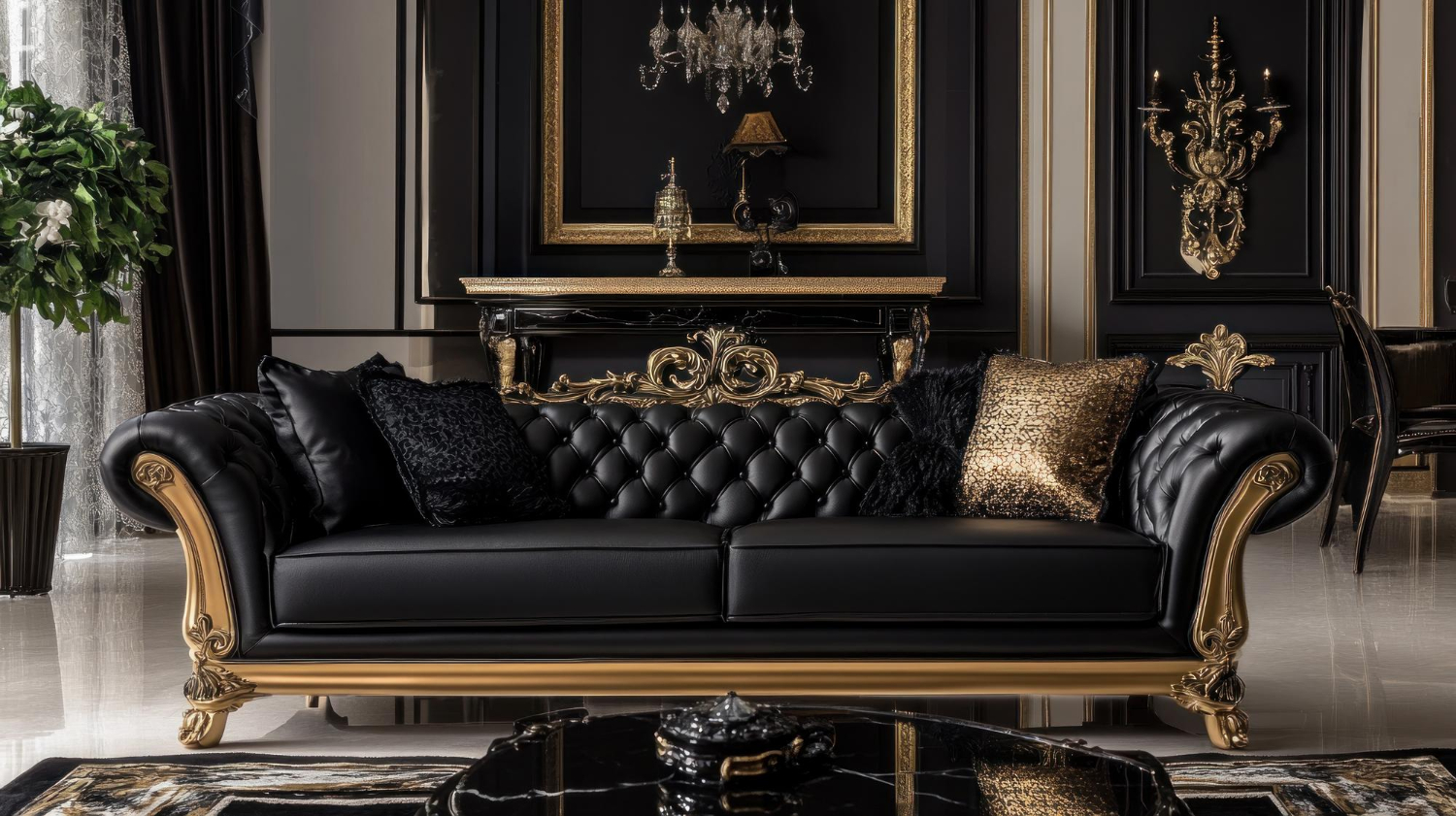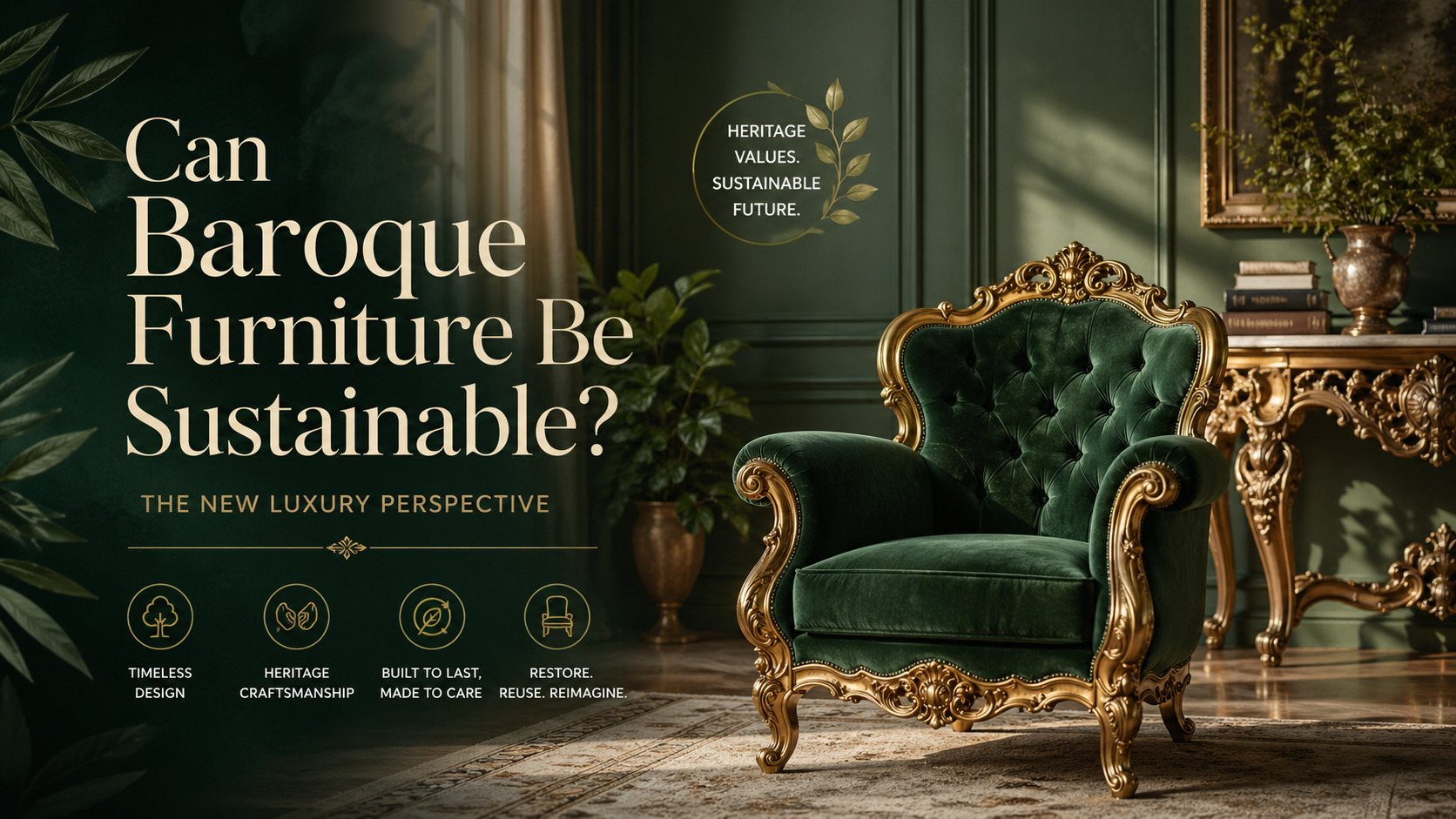
Luxury has long been associated with excess—rare materials, intricate craftsmanship, and statement pieces designed to impress. Yet, in today’s world, the definition of luxury is shifting. It is no longer just about how something looks, but also about how it is made, how long it lasts, and the values it represents. This shift raises an intriguing question: can Baroque furniture truly be sustainable?
At first glance, the ornate detailing and rich materials of Baroque furniture might seem at odds with modern sustainability ideals. However, when viewed through the lens of longevity, craftsmanship, and conscious consumption, baroque style furniture reveals itself as a surprisingly aligned player in the evolving “slow luxury” movement.
Rethinking Sustainability in Luxury Interiors
Sustainability is often misunderstood as minimalism—clean lines, simple materials, and reduced ornamentation. But true sustainability is not about aesthetic restraint; it is about responsibility. It asks deeper questions:
- How long will this piece last?
- Can it be repaired or restored?
- Does it reduce the need for frequent replacement?
In this context, Baroque furniture stands apart. Unlike mass-produced furniture designed for short life cycles, baroque pieces are created with permanence in mind. Their very essence challenges the disposable culture that dominates modern interiors.
Longevity: The Core of Sustainable Luxury
One of the strongest arguments for the sustainability of baroque style furniture lies in its longevity. These pieces are not designed for trends—they are designed for generations.
A well-crafted Baroque cabinet or dining table can last decades, even centuries, with proper care. This durability significantly reduces environmental impact by eliminating the need for constant replacements.
Think about it this way:
Buying one exceptional piece that lasts 50 years is far more sustainable than replacing lower-quality furniture every 5–7 years.
This long lifespan transforms Baroque furniture into an investment—not just financially, but environmentally.
Craftsmanship Over Mass Production
Modern furniture production often prioritizes speed and cost efficiency. This leads to the use of synthetic materials, low-grade wood, and assembly-line manufacturing processes.
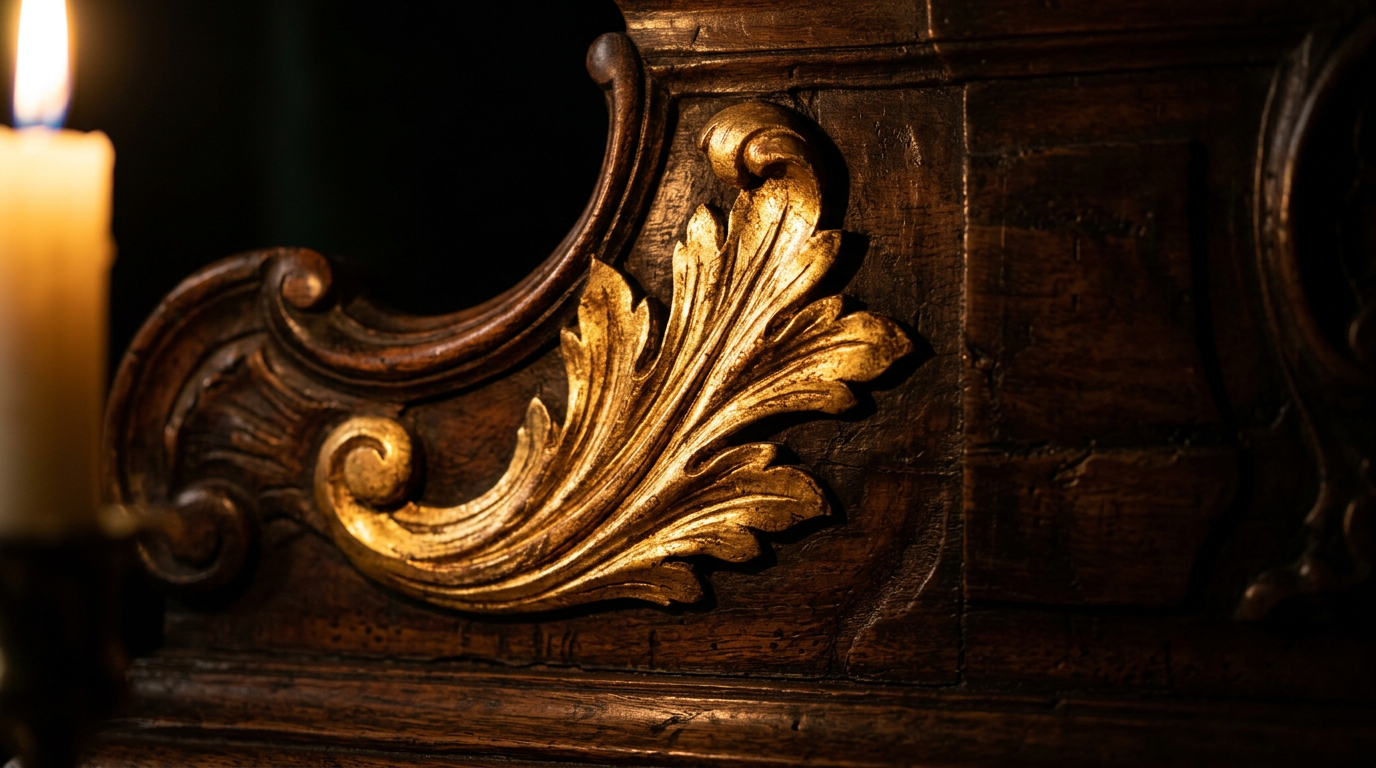
In contrast, baroque style furniture is rooted in craftsmanship. Each piece is typically handcrafted, with careful attention to detail—from carved wood motifs to hand-applied finishes.
This approach offers several sustainability advantages:
- Reduced waste due to precision crafting
- Higher quality materials that age gracefully
- Lower carbon footprint compared to large-scale industrial production
More importantly, craftsmanship fosters emotional value. When people connect with an object, they are far less likely to discard it.
Restoration: Extending the Life Cycle
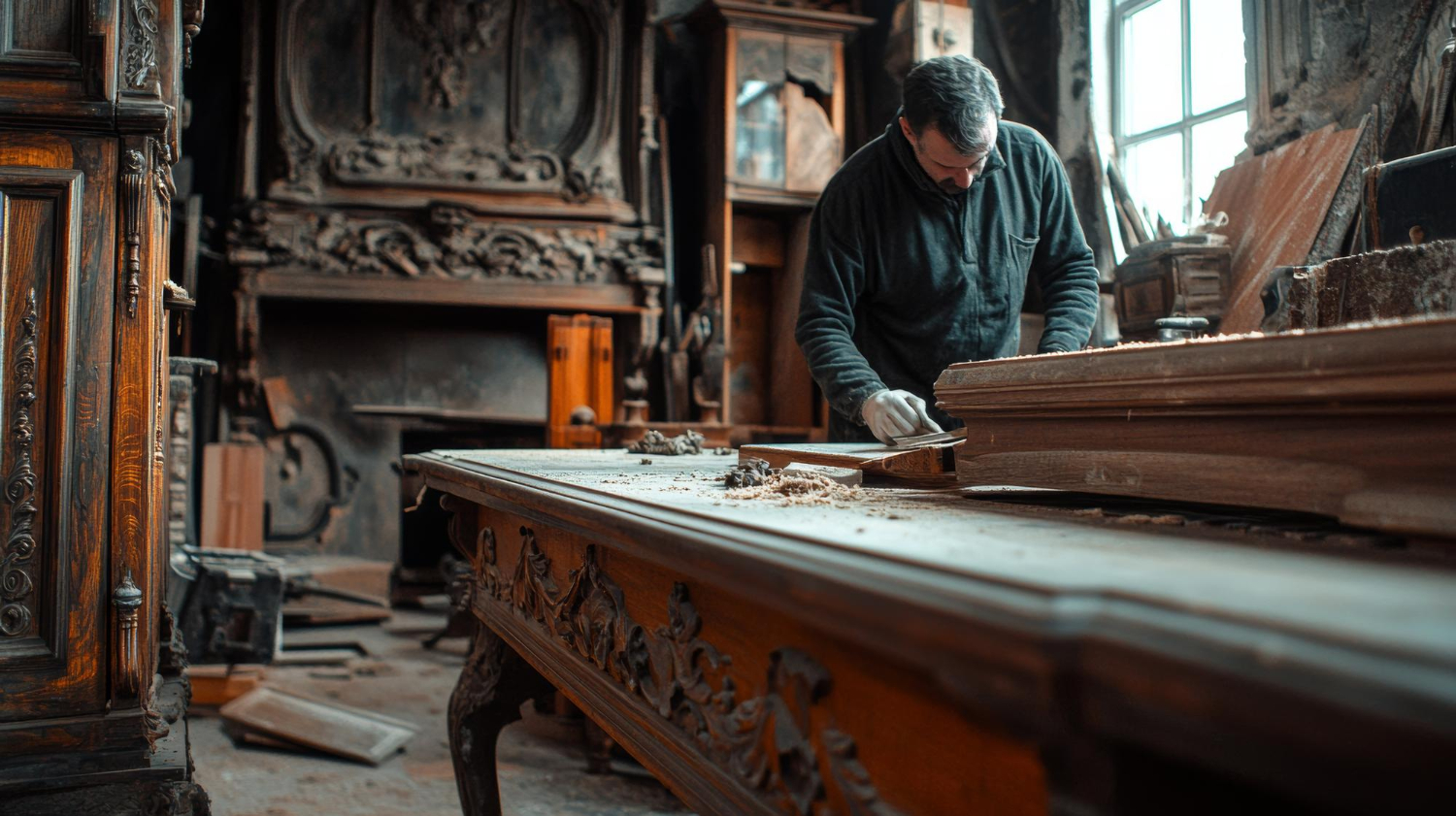
Another powerful sustainability factor is the ability to restore and refurbish. Unlike modern flat-pack furniture, which is often difficult (or impossible) to repair, Baroque furniture is inherently restorable.
Scratches can be refinished. Upholstery can be replaced. Wood structures can be reinforced.
This means a single piece of baroque style furniture can evolve over time rather than being discarded. Restoration not only preserves resources but also adds character—each mark and repair becomes part of the piece’s story.
In fact, antique Baroque furniture already demonstrates this principle. Many pieces in use today have survived centuries, proving that sustainability is not a new concept—it is simply being rediscovered.
The Slow Luxury Philosophy
The rise of “slow luxury” is redefining how we approach interiors. It encourages thoughtful purchasing, timeless design, and a deeper appreciation for quality over quantity.
Baroque furniture fits naturally into this philosophy.
Rather than filling a space with multiple temporary items, slow luxury focuses on fewer, more meaningful pieces. A single statement console or intricately carved armchair can define an entire room.
This shift has multiple benefits:
- Less consumption overall
- Reduced waste generation
- Greater appreciation for craftsmanship
In this sense, baroque style furniture becomes more than décor—it becomes a conscious choice aligned with modern values.
Materials: A Balanced Perspective
It would be unrealistic to claim that all Baroque furniture is automatically sustainable. The materials used—such as hardwoods and decorative finishes—must be sourced responsibly to align with contemporary environmental standards.
However, the industry is evolving. Many manufacturers and luxury brands are now:
- Using certified sustainable wood sources
- Adopting eco-friendly finishes and coatings
- Reducing harmful chemicals in production
When these practices are combined with the inherent durability of baroque style furniture, the result is a product that bridges tradition and sustainability.
Emotional Durability: The Hidden Factor
Sustainability is not just physical—it is emotional.
Mass-produced furniture often lacks personality, making it easy to replace when trends change. In contrast, Baroque furniture carries a strong visual identity. Its ornate carvings, dramatic silhouettes, and historical references create a lasting emotional connection.
This concept, known as emotional durability, plays a crucial role in sustainability. When people love what they own, they keep it longer.
A statement Baroque piece does not fade into the background—it becomes a focal point, a conversation starter, and often a cherished possession.
Blending Baroque with Modern Living
A common misconception is that baroque style furniture only suits traditional interiors. In reality, it can be seamlessly integrated into modern spaces.
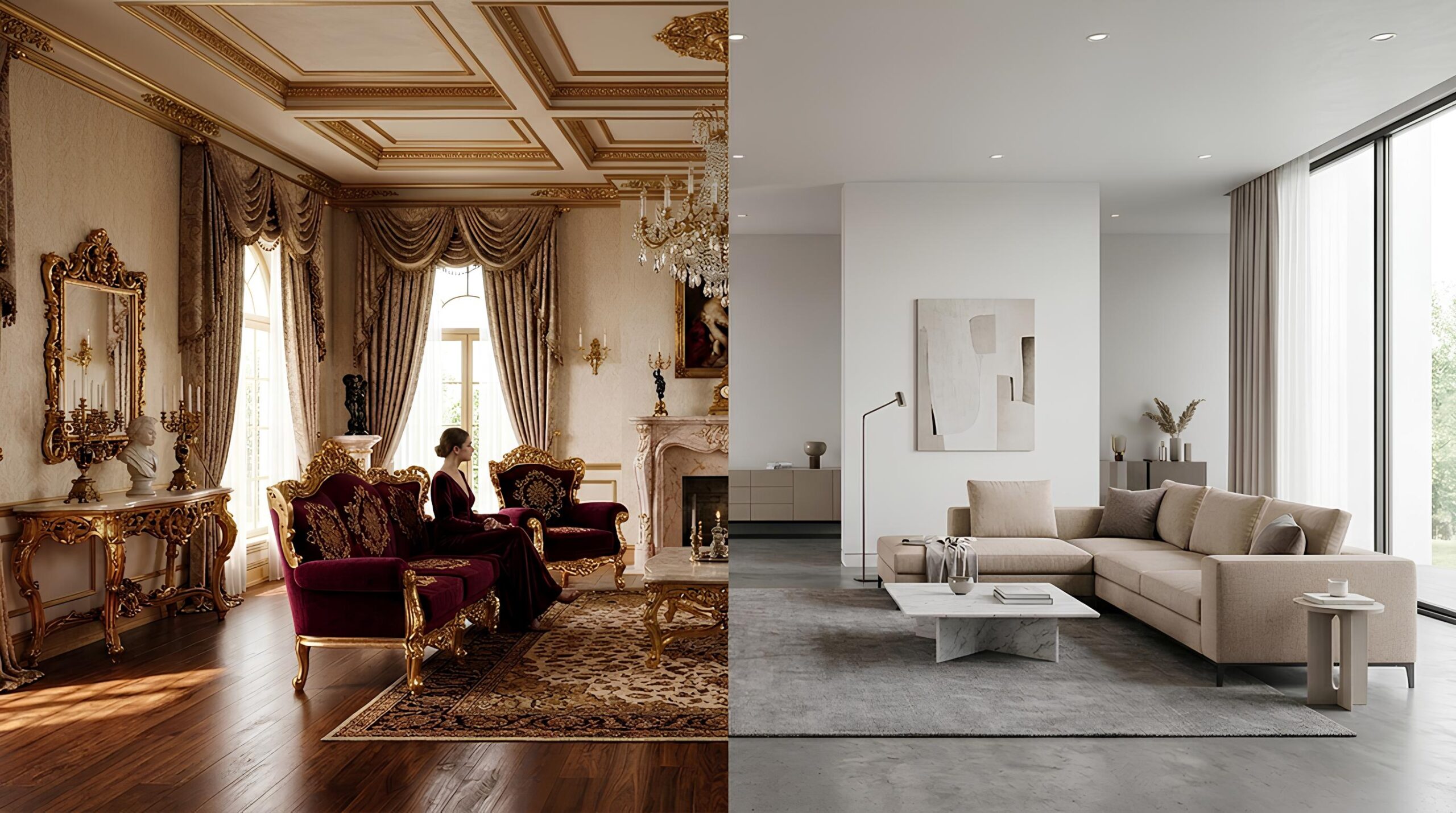
Designers today are pairing Baroque elements with minimalist settings to create striking contrasts. For example:
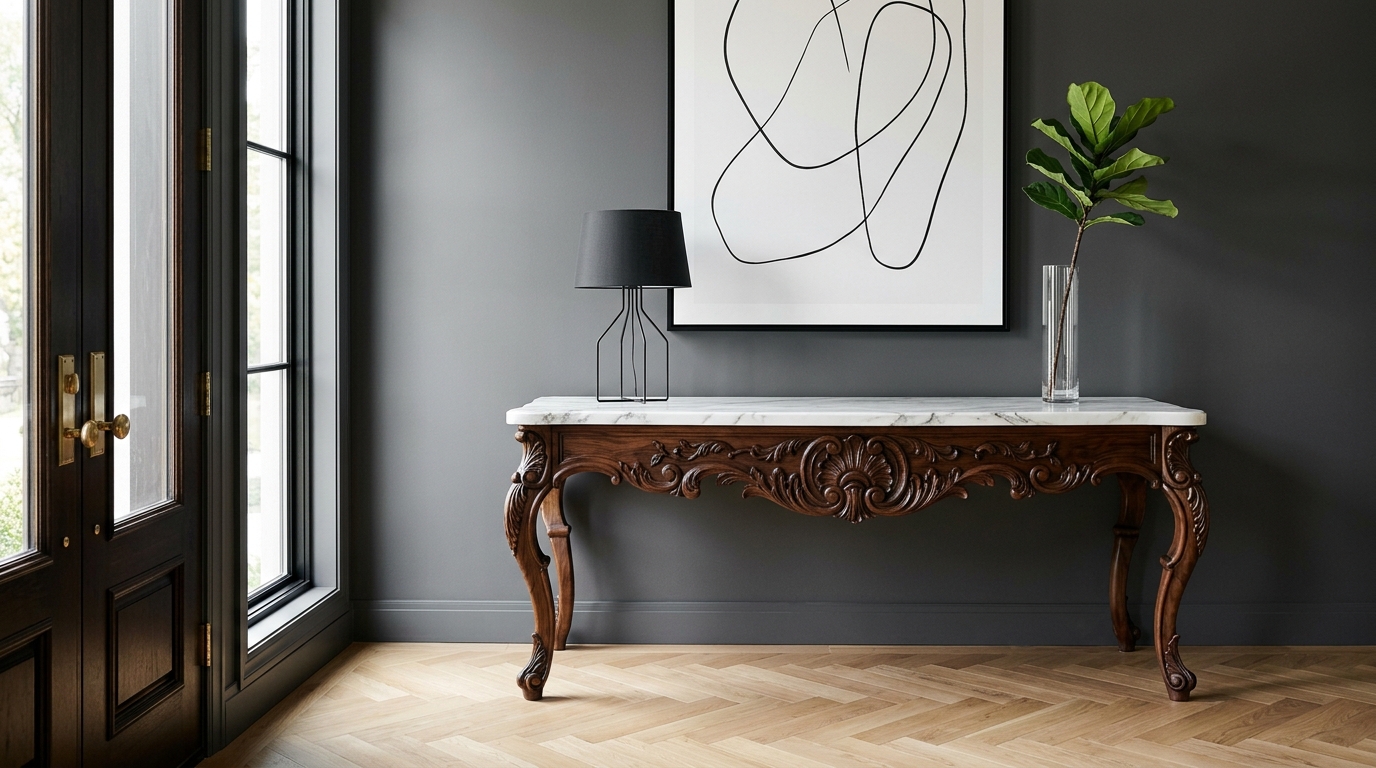
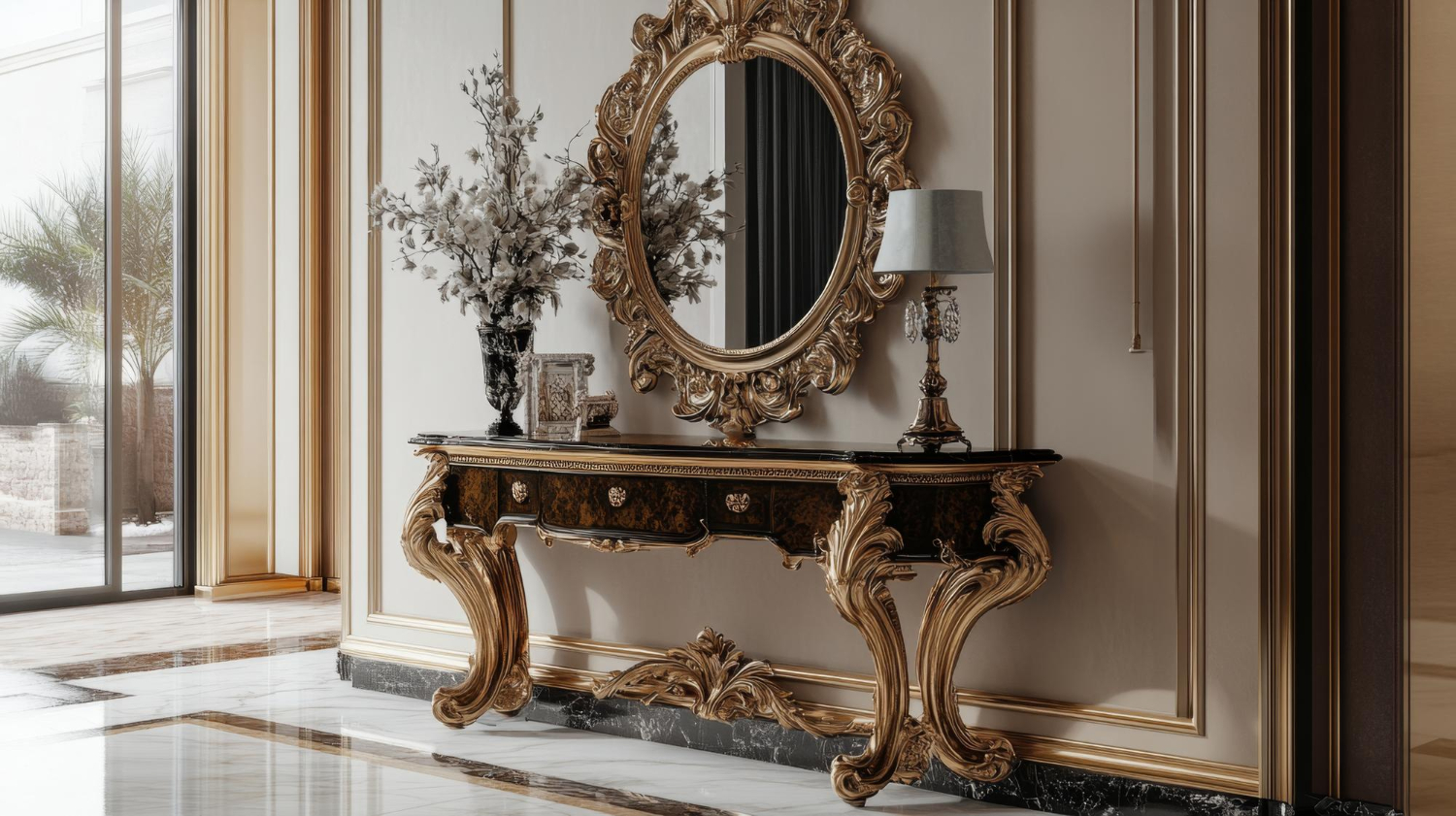
- A carved Baroque console in a clean, neutral hallway
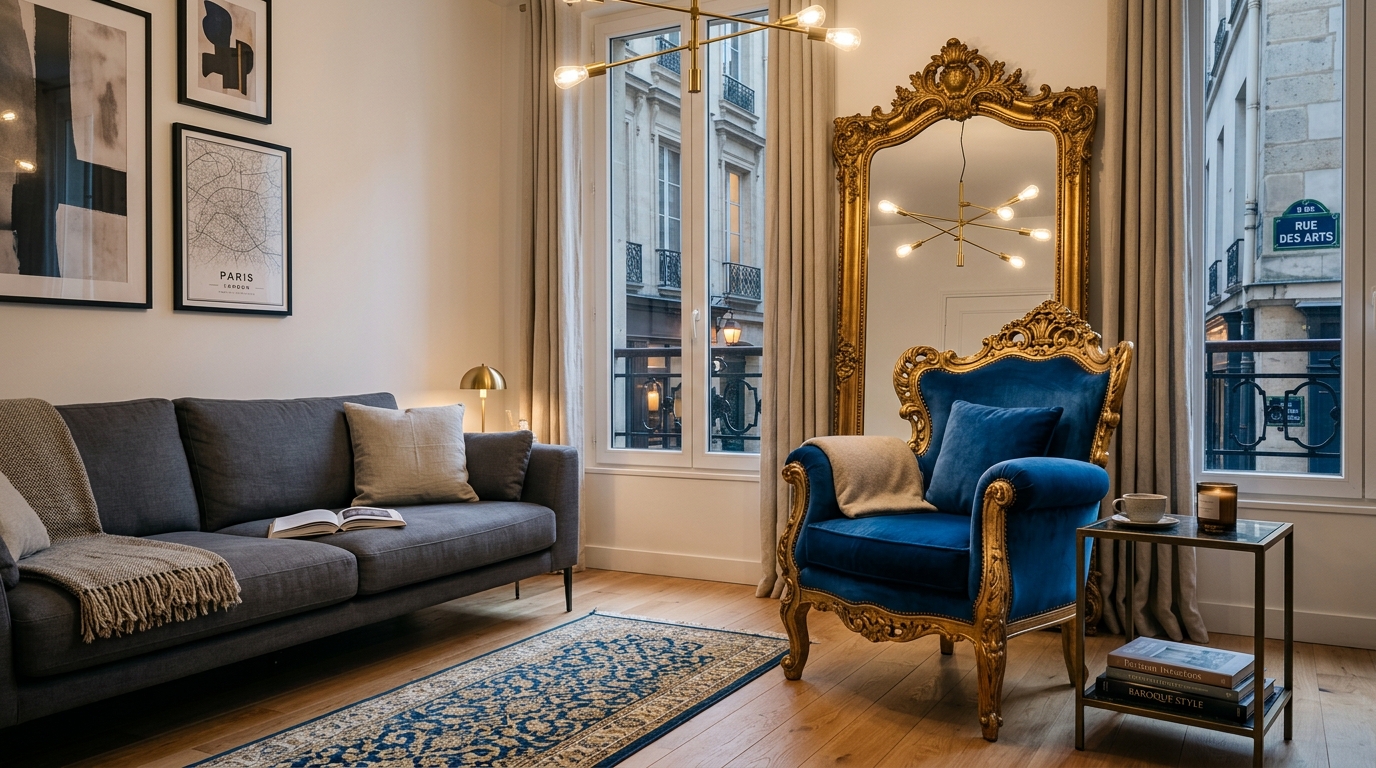
- An ornate armchair in a contemporary living room
- A decorative Baroque mirror against a modern wall
This fusion extends the relevance of Baroque furniture, ensuring it remains timeless rather than trend-bound—another key aspect of sustainability.
A New Definition of Luxury
The perception of luxury is changing. It is no longer about abundance; it is about intention.
Today’s luxury consumers are asking:
- Is this piece responsibly made?
- Will it stand the test of time?
- Does it align with my values?
Baroque furniture answers these questions in a unique way. Its emphasis on craftsmanship, longevity, and artistic value positions it as a form of sustainable luxury—provided it is sourced and produced responsibly.
Conclusion: Tradition Meets Responsibility
So, can Baroque furniture be sustainable?
The answer is yes—but not in the conventional sense of minimalism or modern eco-design. Instead, its sustainability lies in a deeper philosophy:
- Longevity over disposability
- Craftsmanship over mass production
- Restoration over replacement
- Meaning over excess
In a world increasingly driven by fast consumption, baroque style furniture offers a refreshing alternative. It invites us to slow down, invest wisely, and surround ourselves with pieces that endure—not just physically, but emotionally.
This is the new luxury perspective: one where heritage meets responsibility, and where timeless beauty becomes a sustainable choice.