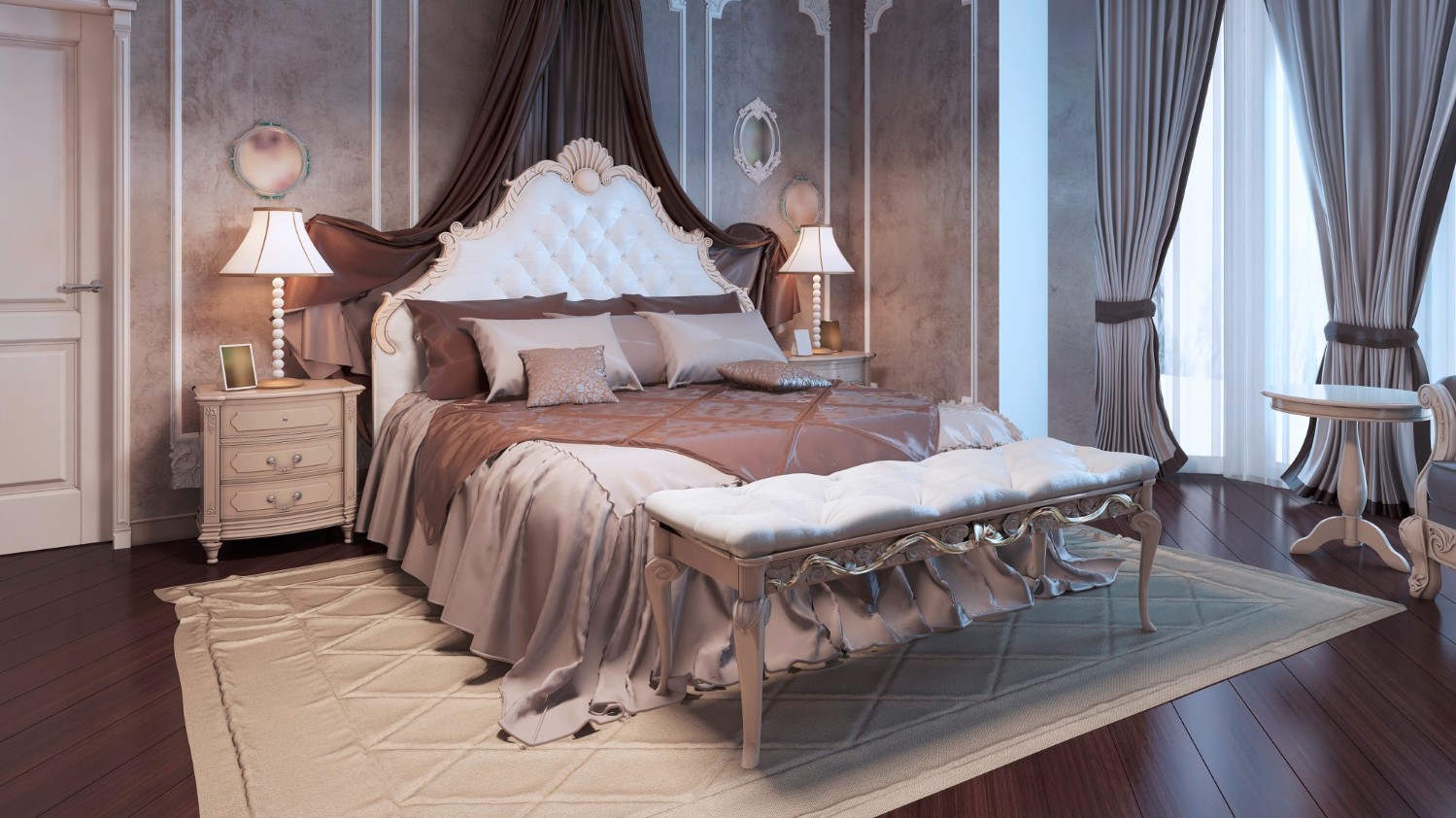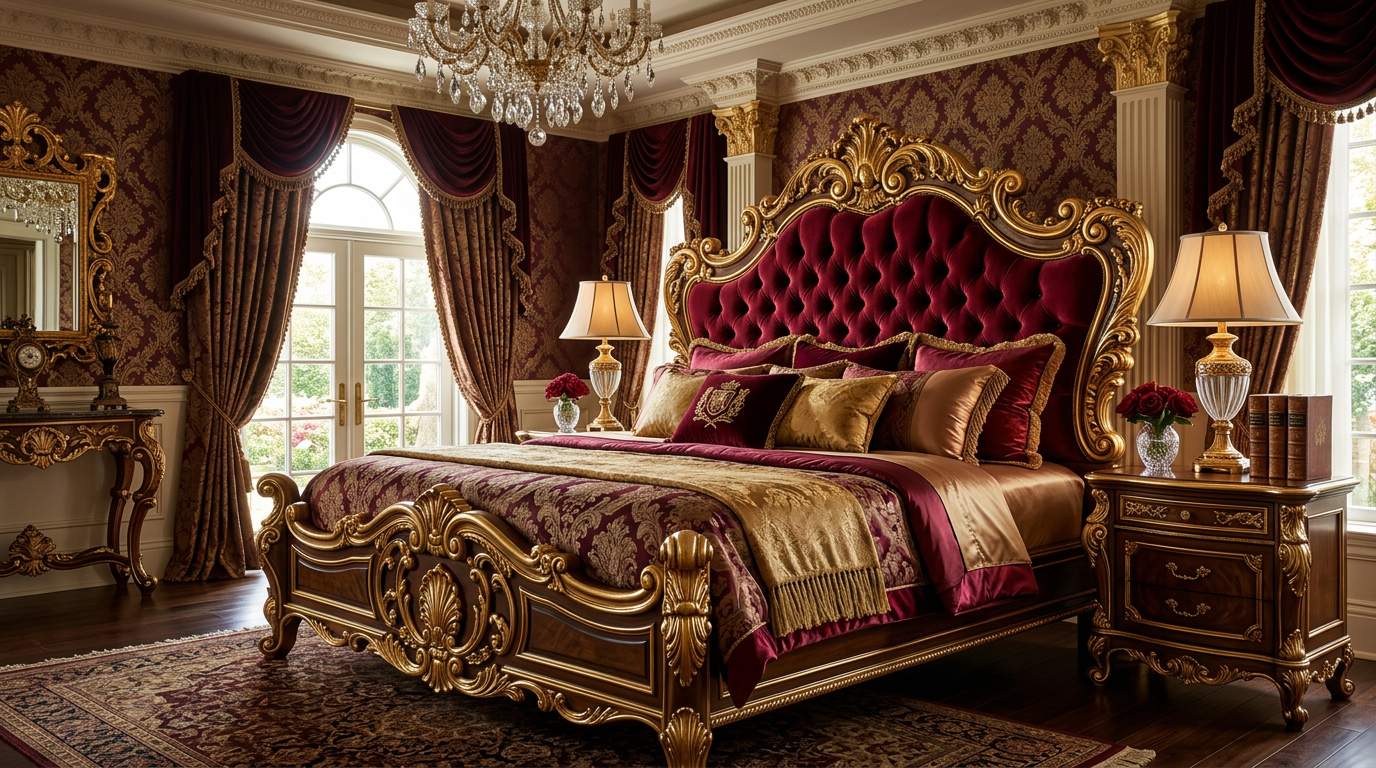
The Ultimate Guide to the Baroque King Size Bed: Where Grand Luxury Meets Dreamlike Comfort

There is a distinct difference between going to sleep and truly retiring for the night. In our fast-paced world, the bedroom has evolved from a mere place of rest into a personal sanctuary—a private retreat where we seek escape from the chaos of daily life. If you want to transform your bedroom into a space that exudes opulence while wrapping you in unparalleled relaxation, there is only one true centerpiece to consider: a Baroque king size bed.

Historically, the Baroque era (spanning the 17th and 18th centuries) was defined by drama, grandeur, and an unapologetic celebration of wealth and artistry. Today, bringing a Baroque bed into your home isn’t just a design choice; it is a lifestyle statement.

Let’s explore how the dramatic aesthetic of the Baroque style seamlessly merges with modern ergonomics to deliver the ultimate in comfort and luxury.


The Anatomy of Opulence: What Makes a Baroque Bed Unique?

To understand the allure of a Baroque king size bed, one must appreciate the sheer craftsmanship involved. These are not mass-produced pieces of furniture; they are functional works of art.

The defining features of a classic Baroque bed include:

  • Exuberant Headboards: Expect towering, oversized headboards that serve as the focal point of the entire room.
  • Intricate Carvings: From rolling acanthus leaves and cherubs to complex asymmetrical flourishes, the woodwork is deeply detailed.
  • Gilded Accents: Gold leaf, silver leaf, and rich wood stains like walnut or mahogany add a brilliant, reflective quality to the frame.
  • Lavish Tufting: Deep button tufting using premium fabrics adds visual texture and an immediate sense of softness.


The Ultimate Comfort of a King-Size Canvas

While the visual drama of a Baroque bed captures your attention, it is the physical experience of a Baroque king size bed that wins your heart.


1. Space to Breathe and Unwind

True comfort requires space. A king-size dimensions offer ample room to stretch, turn, and find your perfect sleeping position without ever feeling confined. When you pair this expansive footprint with the enveloping, royal design of the Baroque style, the bed feels less like furniture and more like a protective cocoon.


2. A Headboard Built for Lounging

The dramatic, towering headboard of a Baroque king size bed isn’t just for show. Plushly upholstered in premium velvets, heavy brocades, or top-grain leathers, it provides the ultimate supportive backdrop for nighttime reading, catching up on your favorite series, or enjoying a lazy weekend breakfast in bed.

Comfort Tip: Look for Baroque frames that feature deep button tufting. The padding in these designs is exceptionally thick, offering unparalleled lumbar support when sitting upright.


Merging Historical Grandeur with Modern Sleep Science

A common misconception is that antique or period-style furniture sacrifices comfort for aesthetics. Fortunately, modern furniture design allows us to enjoy the best of both worlds.

Today’s Baroque king size bed frames are engineered to accommodate high-tech, modern sleep systems. You can seamlessly pair a heavily carved, gilded frame with:

  • Multi-layered memory foam mattresses
  • Advanced hybrid pocket-spring systems
  • Smart, adjustable bases that contour to your body

This means you can sleep like royalty on a mattress tailored to your specific orthopedic needs, all while surrounded by the breathtaking, timeless beauty of 17th-century European design.


Styling Your Sanctuary: Creating a Balanced Master Bedroom

Because a Baroque king size bed commands so much visual attention, styling the rest of the room requires a thoughtful approach. You want to complement the bed’s luxury without making the space feel cluttered or overwhelming.

Design Element How to Style It Around a Baroque Bed
Bedding & Linens Opt for high-thread-count Egyptian cotton or silk sheets. Rich jewel tones (emerald, sapphire, ruby) or crisp, royal whites work beautifully.
Lighting A crystal chandelier or warm, ambient bedside lamps with silk shades will catch the gold or silver leaf accents of the bed frame.
Wall Decor Keep walls relatively neutral or use elegant, subtle damask wallpaper to frame the bed without competing with the intricate headboard.


An Investment in Your Well-Being

Choosing a Baroque king size bed is an investment that yields daily dividends in the form of deep, restorative sleep and an unmatched sense of personal luxury. It elevates the simple act of going to sleep into a grand ritual.

When you invest in a piece of this caliber, you aren’t just buying a place to sleep—you are claiming a masterpiece that anchors your home, provides ultimate comfort, and serves as a daily reminder that you deserve the finer things in life. Turn your bedroom into the palace it was meant to be, and experience what it truly means to sleep in the lap of luxury.
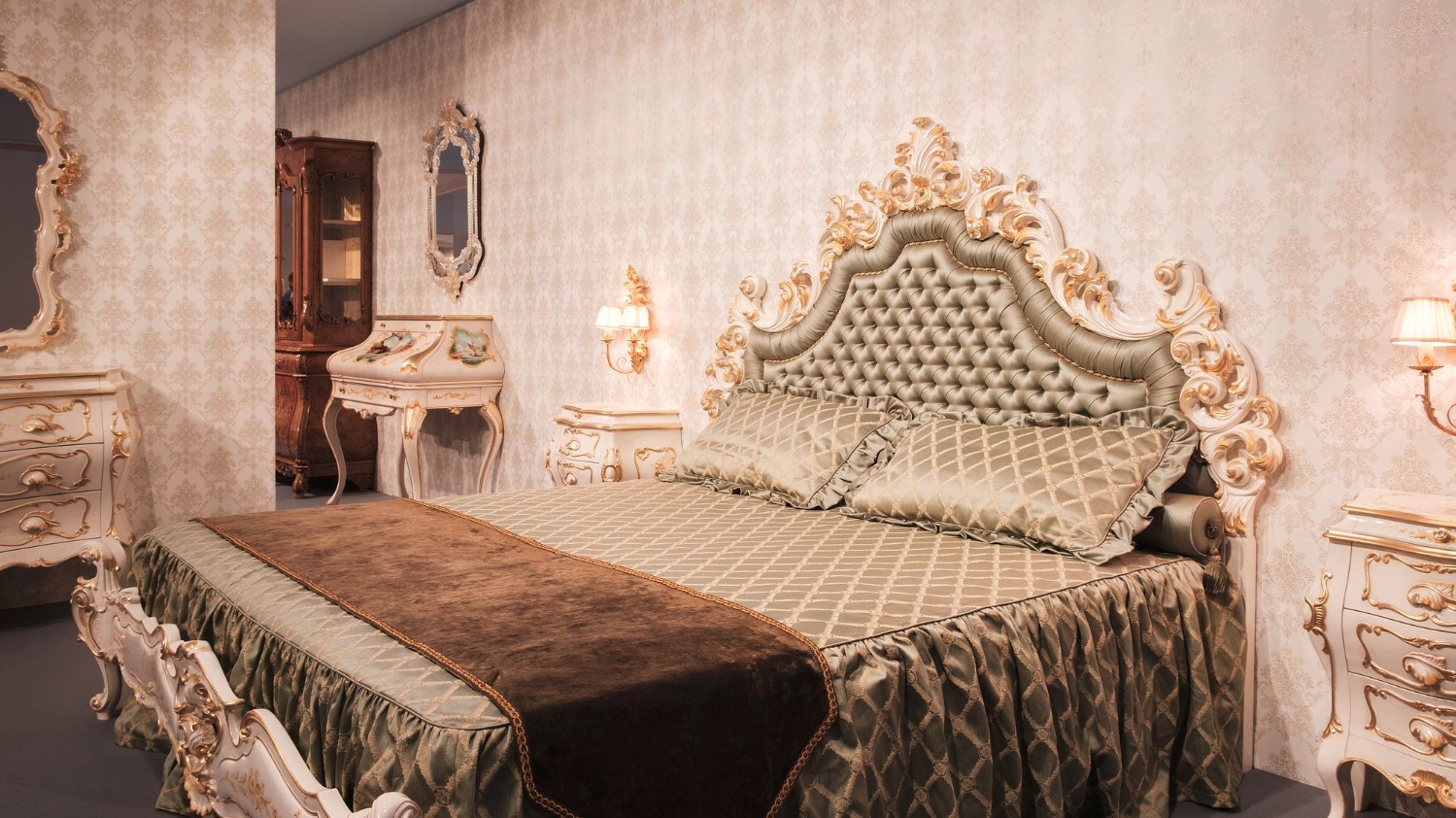
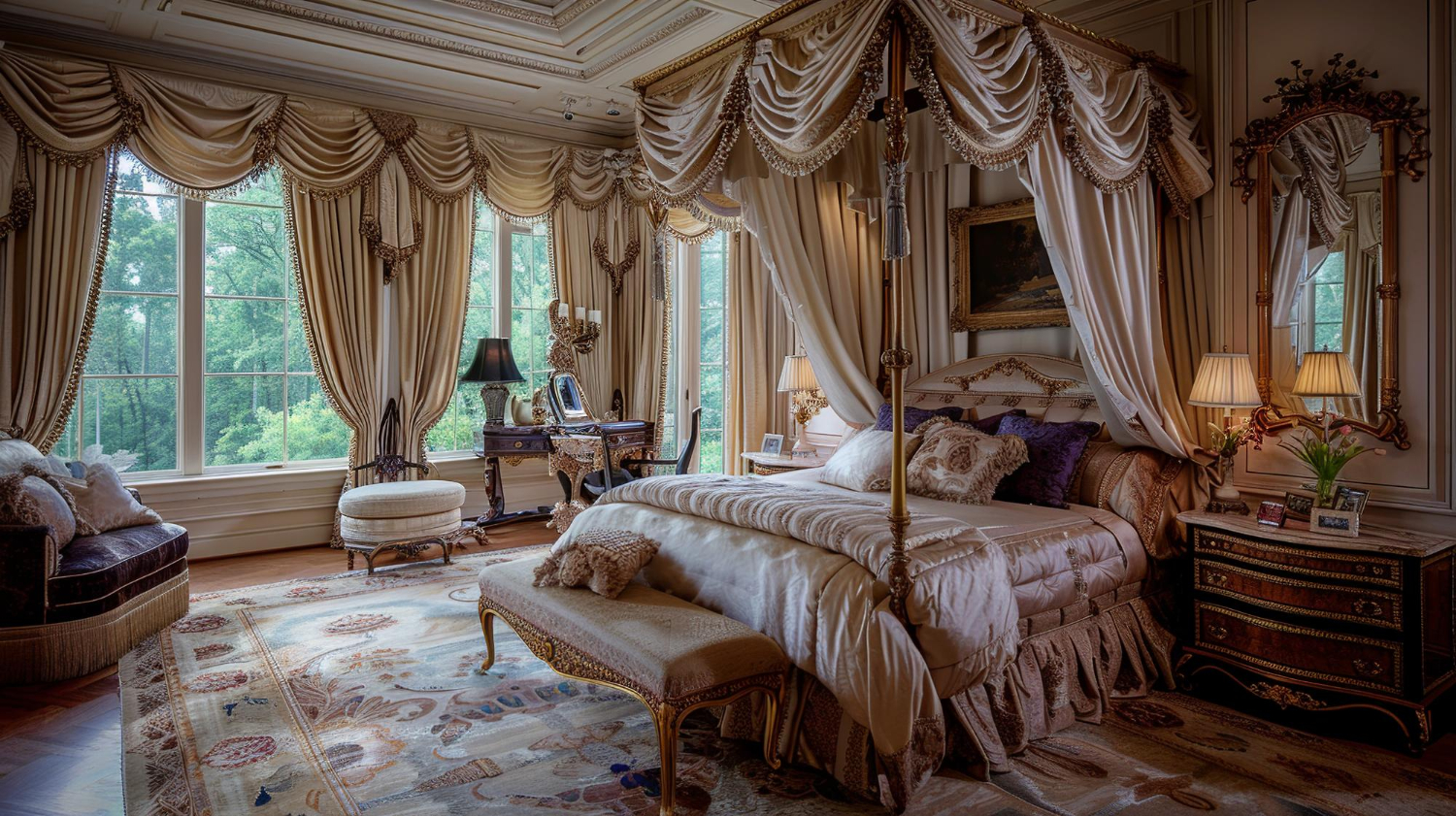
Baroque Headboards: Artistry in Comfort – Why Luxury Suites Are Embracing Ornate Sleep

In an age of flat-pack furniture and sterile minimalism, one design movement refuses to fade: the baroque headboard. It is not merely a piece of bedroom furniture. It is a statement, a hand-carved promise that comfort and artistry can coexist. Walk into any five-star hotel suite in Paris, Vienna, or Rome, and you will likely see one. But what makes the baroque style bed so irresistible to luxury designers and homeowners alike? The answer lies in three things: craftsmanship, tufted depth, and unapologetic drama.

This blog explores how the baroque headboard evolved from palace chambers into today’s most coveted bedroom centerpiece—and why you might want one above your own bed.


Part 1: What Exactly Is a Baroque Headboard?


Before diving into styling, let’s define the term. A baroque headboard draws from the 17th-century European Baroque period—think Louis XIV, Versailles, and theatrical grandeur. Key characteristics include:

  • Ornate wood carving (acanthus leaves, scrolls, floral motifs)

  • High, imposing silhouette (often 150–180 cm tall)

  • Gilded, silvered, or dark lacquered finishes

  • Tufted or buttoned upholstery (velvet, silk, or high-end linen)

  • Crowned or arched top (sometimes with a central crest)


Unlike a standard bed, a baroque style bed commands the room. It is the first thing you see when you enter and the last thing you touch before sleep.

“A baroque headboard is to a bedroom what a chandelier is to a dining hall—it defines the entire atmosphere.” — Elena Rossi, luxury interior designer, Milan


Part 2: The Craftsmanship Behind the Curves


Mass production cannot replicate a true baroque bed frame. Here is why craftsmanship matters.


Hand-Carved Wood vs. Moulded Polyurethane

Authentic baroque headboards begin with solid wood—walnut, mahogany, or oak. Master carvers spend 40 to 80 hours hand-sculpting each scroll and leaf. Modern replicas use polyurethane moulds, but the difference is visible: real carving catches light differently, creating shadows that change throughout the day.


The Art of Tufted Headboard Styling

Tufting is not decorative—it is structural. In a baroque headboard, deep button tufting (often diamond or biscuit pattern) serves two purposes:

  1. Acoustic comfort – The padded surface absorbs sound, making a large bedroom feel quieter.

  2. Visual rhythm – Rows of buttons break up the massive scale, preventing the headboard from feeling overwhelming.

High-end luxury suites use hand-tufted velvet with brass or crystal buttons. Each button is individually attached through layers of foam and batting—a process that can take two days for a king-sized piece.


Finish Options for Modern Tastes

While traditional baroque style beds featured heavy gilding, contemporary versions offer:

  • Matte black (dramatic but modern)

  • White or cream lacquer (palace-core without the weight)

  • Silver leaf (cooler than gold, works with grey bedrooms)

  • Dark walnut (old-world masculine)


Part 3: Why Tufted Headboard Styling Defines Luxury Suites


Have you noticed that high-end hotels rarely use flat, plain headboards? There is a psychological reason. Tufted baroque headboards trigger a sense of enclosure and safety—like being inside a jewel box.


The Psychology of Deep Buttoning

When you lean against a deeply tufted baroque headboard, the surface yields gently but does not flatten completely. That resistance mimics the feeling of being held. Hotel designers exploit this to make guests fall asleep faster and feel more pampered.


Case Study: The St. Regis Rome

The St. Regis Rome’s Imperial Suite features a custom baroque bed frame in burgundy velvet with over 300 crystal-tipped tufts. According to their design notes, the headboard alone cost €18,000 and took six artisans three weeks to complete. Guest reviews consistently mention “the most comfortable headboard I have ever leaned against.”


Part 4: How to Style a Baroque Headboard in Your Own Bedroom


You do not need a palace to enjoy a baroque style bed. Here is a practical guide for modern homes.


1. Scale Matters Most

A baroque headboard needs height to breathe. Do not place it under a low ceiling. Ideal ceiling height: 2.7 meters or more. For standard 2.4-meter ceilings, choose a headboard no taller than 1.4 meters.


2. Balance with Minimal Bedding

Let the baroque headboard be the star. Use plain white or cream duvets, matte cotton sheets, and no more than two throw pillows. Patterns compete with the headboard’s carving and tufting.


3. Lighting is Critical

Install wall sconces on either side of the baroque bed frame rather than table lamps. Sconces highlight the vertical lines and cast dramatic shadows on the tufting. Avoid overhead spotlights—they flatten the depth.


4. Color Palettes That Work

  • Classic: Burgundy velvet + gold leaf + cream walls

  • Modern: Charcoal grey tufting + silver leaf + dusty pink accents

  • Bold: Emerald green velvet + dark walnut frame + brass hardware

  • Minimalist: White lacquered carving + natural linen tufting + beige walls


5. Pair with the Right Bed Frame

The baroque headboard is often attached to a simpler baroque bed frame—typically a low-profile wooden base with curved legs. Avoid sleigh beds or overly ornate footboards, or the room becomes a museum.


Part 5: Baroque vs. Rococo vs. Neoclassical – Know the Difference


Many people confuse baroque style beds with later movements. Here is a quick cheat sheet:

Feature Baroque Rococo Neoclassical
Headboard shape High, arched, heavy Asymmetrical, shell-topped Rectangular, straight
Tufting pattern Deep diamond Loose, shallow buttons Minimal or none
Wood finish Gilt or dark lacquer White and pastel Polished mahogany
Best for Masculine, dramatic suites Feminine, whimsical rooms Symmetrical, orderly spaces


For a true baroque headboard, always choose deep carving, a tall silhouette, and rich, saturated upholstery.


Part 6: Where to Buy or Commission a Baroque Headboard


Because true baroque bed frames require craftsmanship, avoid mass-market retailers. Instead:

  • Antique dealers – France, Italy, and Belgium have the best stock. Expect to restore upholstery.

  • Reproduction workshops – Companies like Casa Padrino, Luxury Group International create custom pieces.

  • Local woodcarvers – Commission a headboard from a theater-set carpenter or architectural woodcarver. Surprisingly affordable outside major cities.


Budget guide:

  • Mass-produced polyurethane replica: €600 – €1,500

  • Hand-carved wood + machine-tufted: €2,500 – €5,000

  • Fully hand-carved + hand-tufted velvet + gold leaf: €8,000 – €20,000+


Part 7: Caring for Your Baroque Headboard


Tufted baroque headboards require specific care:

  • Vacuum tufts monthly using a soft brush attachment (dust collects in button crevices)

  • Rotate your mattress without pulling on the headboard’s lower edge

  • Avoid leaning with wet hair (moisture stains velvet permanently)

  • Every two years – Hire an upholstery cleaner to deep-clean between buttons

For carved wood sections, dust weekly with a microfiber cloth. Apply beeswax polish twice a year—never silicone spray.


Conclusion: More Than a Headboard, an Heirloom


A baroque headboard is not a trend. It is an investment in daily pleasure. Every night, as you prop yourself against deep tufting and run your hand over carved scrolls, you participate in a 400-year-old conversation between comfort and art. Luxury suites understand this. Now, your bedroom can too.

So go ahead. Ignore the minimalist rulebook. Choose the baroque style bed that makes your heart beat faster. After all, you spend one-third of your life in bed. Why not spend it inside a masterpiece?

Building a Baroque Bedroom Set Piece by Piece (Smarter Than Buying All at Once)

In the gilded corridors of Europe’s grandest homes and boutique luxury hotels, the baroque bedroom set remains the ultimate expression of timeless opulence. Yet the most discerning shoppers—from the châteaux of France to the palazzos of Italy and the villas of Germany—are no longer rushing to buy the entire baroque bedroom furniture collection in a single swoop.

Instead, they are building their dream baroque bedroom piece by piece over 12 deliberate months.

Why? Because this measured approach delivers three irreplaceable luxuries: flawless quality control, financial breathing room, and a deeply personal design story that evolves with you.

The result? A baroque bedroom that doesn’t just look expensive—it feels like it was always meant to be yours.

If you’re a luxury shopper in Europe ready to create a private sanctuary, outfit guest suites in your boutique hotel, or elevate your principal residence, this guide is your roadmap. Follow the priority order, pace your budget, and join thousands of readers who are sharing monthly progress updates below. Let’s begin.


Why Building Piece by Piece Is Smarter Than Buying a Complete Baroque Bedroom Set at Once

Purchasing an entire baroque bedroom set in one transaction may seem convenient, but it often backfires for three very European reasons:

  1. Budget Shock – A hand-carved baroque bed alone can represent 35-45 % of the total investment. Paying €18,000–€35,000 upfront strains even the most comfortable portfolios.
  2. Design Regret – Tastes evolve. The velvet you loved in the showroom may clash with the new silk drapes you discover six months later.
  3. Quality Compromise – Mass-produced “complete sets” rarely match the heirloom craftsmanship found when sourcing each baroque furniture piece individually from specialist ateliers in Tuscany, Provence, or the Black Forest.

By spreading the project over 12 months you gain control, flexibility, and the joy of watching your baroque bedroom furniture collection grow like a living work of art.


Your 12-Month Baroque Bedroom Transformation Plan

This plan is designed for a realistic luxury budget of €18,000–€32,000 (depending on whether you choose solid walnut with 24-carat gold leaf or more contemporary interpretations with antique-bronze finishes).

Priority Order Recommendation (never deviate from this sequence):

  1. Baroque bed (the undisputed focal point)
  2. Nightstands
  3. Dresser / commode
  4. Armoire or wardrobe
  5. Accent chairs + mirror
  6. Finishing accessories

Budget Pacing Rule Month 1–3: 40 % of total budget Month 4–6: 25 % Month 7–9: 20 % Month 10–12: 15 %

This pacing keeps cash flow elegant and allows you to adjust based on seasonal sales from European artisans.


Months 1–3: Lay the Foundation – Invest in the Perfect Baroque Bed

Your baroque bed is the heart of the entire baroque bedroom set. Choose first, choose wisely.

What to look for (European luxury checklist):

  • Hand-carved solid hardwood (walnut or mahogany preferred)
  • Canopy or dramatic scrolled headboard with acanthus-leaf motifs
  • Generous proportions: king or super-king for European ceiling heights
  • Optional hidden storage drawers beneath (ideal for luxury hotels)


Budget allocation:
€7,000–€12,000

Reader Progress Tip Take a “before” photo the day your baroque bed arrives. Post it in the comments with #MyBaroqueBedJourney. Hundreds of readers have already shared theirs—your inspiration starts here!

By the end of Month 3 you will already be sleeping in pure baroque luxury. The rest of the room will feel incomplete, but that tension is exactly what drives the next purchases.


Months 4–6: Add Functionality with Matching Nightstands & Dresser

Now that the baroque bed commands the room, flank it with symmetry.

Priority pieces:

  • Pair of baroque nightstands (carved cabriole legs, marble tops)
  • One statement dresser or bombe commode

Why this order? Nightstands are used daily; the dresser balances visual weight opposite the bed.

Budget allocation: €4,500–€7,000

Pro Tip for Luxury Homes & Hotels Request nightstands with soft-close drawers and integrated charging ports—modern convenience hidden behind 300-year-old aesthetics. European five-star hotels quietly do exactly this.

At the six-month mark, readers often report the same sensation: “The room finally feels like a complete baroque bedroom furniture composition.”


Months 7–9: Storage That Steals the Show – The Armoire or Wardrobe

European bedrooms rarely have built-in closets. A magnificent baroque armoire becomes both storage and sculpture.

Selection criteria:

  • Full-length mirrored doors (doubles light beautifully)
  • Interior LED lighting (a 2026 luxury must)
  • Hand-applied gold or silver leaf details matching your baroque bed

Budget allocation: €3,500–€5,500

Budget Pacing Note If you stayed under budget in earlier phases, upgrade to a three-door armoire with secret jewellery drawers—perfect for private residences or VIP hotel suites.


Months 10–12: The Finishing Flourishes

Now add the pieces that turn “beautiful” into “breathtaking”:

  • One or two baroque accent chairs (bergère style)
  • Oversized Venetian-style mirror above the dresser
  • Crystal sconces, velvet cushions, and a small gilded side table

Budget allocation: €2,500–€4,500

These final touches are where personality shines. One reader in Vienna replaced the traditional bergère with a modern baroque wing chair in emerald velvet—her hotel guests now beg for the “same room” every visit.


Adapting the Plan for Luxury Hotels vs Private Homes


Luxury Hotel Owners

  • Choose fire-retardant velvet and commercial-grade finishes from the start
  • Order duplicate nightstands for multiple suites
  • Keep colour palettes consistent (ivory, gold, deep burgundy) across rooms


Private Residences

  • Mix eras: pair your baroque bed with a contemporary crystal chandelier
  • Commission custom monogramming on chair backs
  • Add hidden safes inside the armoire

Both audiences benefit from the same 12-month pacing—cash flow remains graceful and design decisions stay sharp.

Track Your Progress – Join the Community

Every month, thousands of European luxury shoppers update us with photos and stories:

  • “Month 4 – nightstands arrived and the room finally feels balanced!”
  • “Month 8 – the armoire changed everything.”

Drop your own update in the comments below (or tag #BaroqueBedroomPieceByPiece on Instagram). We feature the most inspiring transformations in our quarterly round-ups.


Final Thoughts: Patience Creates Perfection

Building your baroque bedroom set piece by piece is not slower—it is smarter. You protect your investment, honour centuries of European craftsmanship, and create a space that tells your unique story rather than a catalogue’s.

By following this 12-month plan, priority order, and budget pacing, you will own a baroque bedroom furniture collection that appreciates in both beauty and value.

Ready to begin? Start with the baroque bed. The rest of your masterpiece will follow naturally.

Share your Month 1 update below—we can’t wait to watch your transformation unfold.

Mistakes to Avoid When Styling a Baroque Bed in Contemporary Interiors

The baroque bed—with its dramatic curves, intricate carvings, gilded accents, and imposing presence—can bring royal opulence to a contemporary bedroom. But blending this 17th-century grandeur with today’s clean lines, minimalism, and neutral palettes is tricky. One wrong move, and your luxurious focal point turns into a chaotic, overwhelming eyesore that screams “trying too hard.”

If you’re drawn to the drama of a baroque style bed but want it to feel sophisticated rather than dated or excessive in a modern interior, avoid these common baroque bed styling mistakes. Ignoring them could ruin the harmony of your space—and your sleep sanctuary.

1. Ignoring Scale: Choosing a Bed That’s Far Too Massive for the Room

The biggest fear? Your baroque bed dominating the room like an invading throne, leaving no breathing space for movement or other furniture.

Baroque beds are inherently grand—high headboards, elaborate footboards, wide proportions. In a small or medium-sized contemporary bedroom, an oversized piece crushes the flow, making the space feel cramped and claustrophobic instead of luxurious.

How to avoid it:

  • Measure twice: Ensure at least 60–75 cm of walkway space on each side and at the foot.
  • Opt for slimmer reproductions or custom baroque style beds with refined proportions rather than full Versailles replicas.
  • In compact urban apartments (common in Europe), choose a baroque bed with a lower headboard or one that emphasizes horizontal drama over vertical height.

A too-big bed doesn’t elevate elegance—it suffocates the room.

2. Over-Matching: Turning the Bedroom into a Full Baroque Theme Park

The second nightmare: Everything matches the bed so perfectly that the room feels like a museum exhibit rather than a livable, modern home.

Pairing a gilded baroque bed with matching carved nightstands, heavy drapes, ornate mirrors, and wall-to-wall brocade creates visual overload. In contemporary interiors, this “matchy-matchy” approach kills subtlety and makes the space feel heavy and outdated.

How to avoid it:

  • Use the bed as the statement piece and keep surrounding elements restrained—sleek modern bedside tables in matte black or walnut, simple linen bedding, minimalist lamps.
  • Introduce contrast: Pair ornate gold or silver detailing with crisp white walls, concrete floors, or industrial lighting.
  • Limit baroque elements to 1–2 key pieces (the bed + perhaps one accent chair or mirror) to let contemporary architecture breathe.

Over-matching doesn’t create luxury—it creates exhaustion.

3. Excessive Ornamentation: Layering Too Much Gold, Carving, and Texture

The ultimate styling trap: Piling on more gilt, velvet, fringes, tufting, and embellishments until the bed looks like it’s competing for attention rather than commanding it gracefully.

Excessive ornamentation in a contemporary setting amplifies every flaw—dust shows more, the room feels cluttered, and the bed overwhelms rather than enchants. What starts as “opulent” quickly becomes gaudy and tiring.

How to avoid it:

  • Choose a baroque bed with selective detailing—perhaps carved scrolls on the headboard but cleaner lines elsewhere.
  • Tone down upholstery: Opt for solid rich fabrics (deep velvet or silk) instead of busy patterns; avoid heavy fringes or excessive button tufting.
  • Balance with restraint: Use neutral or muted bedding, add subtle metallic accents elsewhere (e.g., a slim brass lamp), and let negative space highlight the bed’s beauty.

Too much ornamentation doesn’t say “royalty”—it says “overcompensation.”

Final Tips to Get It Right

  • Mix eras boldly but sparingly: Let the baroque bed contrast with mid-century chairs, Scandinavian textiles, or brutalist side tables.
  • Focus on lighting: Use soft, warm ambient light to highlight carvings without harsh shadows.
  • Test in person: Always see the bed in your space (or use AR tools) before committing—photos lie about scale.

Master these pitfalls, and your baroque style bed becomes a stunning, conversation-starting centerpiece that fuses historical drama with contemporary calm—without the fear of a decorating disaster.