The Throne of the Modern Manor: 10 Must-Have Baroque Style Armchairs for Luxury Homes

There is a specific kind of magic that happens when you place a piece of 17th-century drama into a 21st-century room. It’s the “Baroque effect”—an instant infusion of history, weight, and unapologetic opulence. While minimalism has had its decade in the sun, 2026 is seeing a massive return to maximalist soul. Luxury homeowners are no longer looking for furniture that “blends in”; they are looking for furniture that commands a standing ovation.

The Baroque armchair is the undisputed heavy hitter of this movement. With its signature “cabriole” legs, hand-carved wood, and “scrollwork” flourishes, it transforms a simple corner into a curated gallery. Whether you’re styling a sprawling estate in the hills or a high-ceilinged urban penthouse, these ten Baroque style armchair picks represent the pinnacle of current luxury interior trends.


1. The Gilded Throne: Louis XV Royal Bergère


The Bergère is the “gold standard” of Baroque comfort. Unlike open-sided chairs, the Bergère features upholstered sides that “embrace” the sitter.


  • The Look: Deep-seated, with a massive curved backrest and gold-leaf finish.
  • Luxury Tip: Look for 2026’s “Thyme Green” or “Deep Terracotta” velvet upholstery. These earthy tones modernize the high-shine gold frame, grounding the piece in “Quiet Luxury.”


2. The Gothic Baroque: Obsidian & Silver Medallion


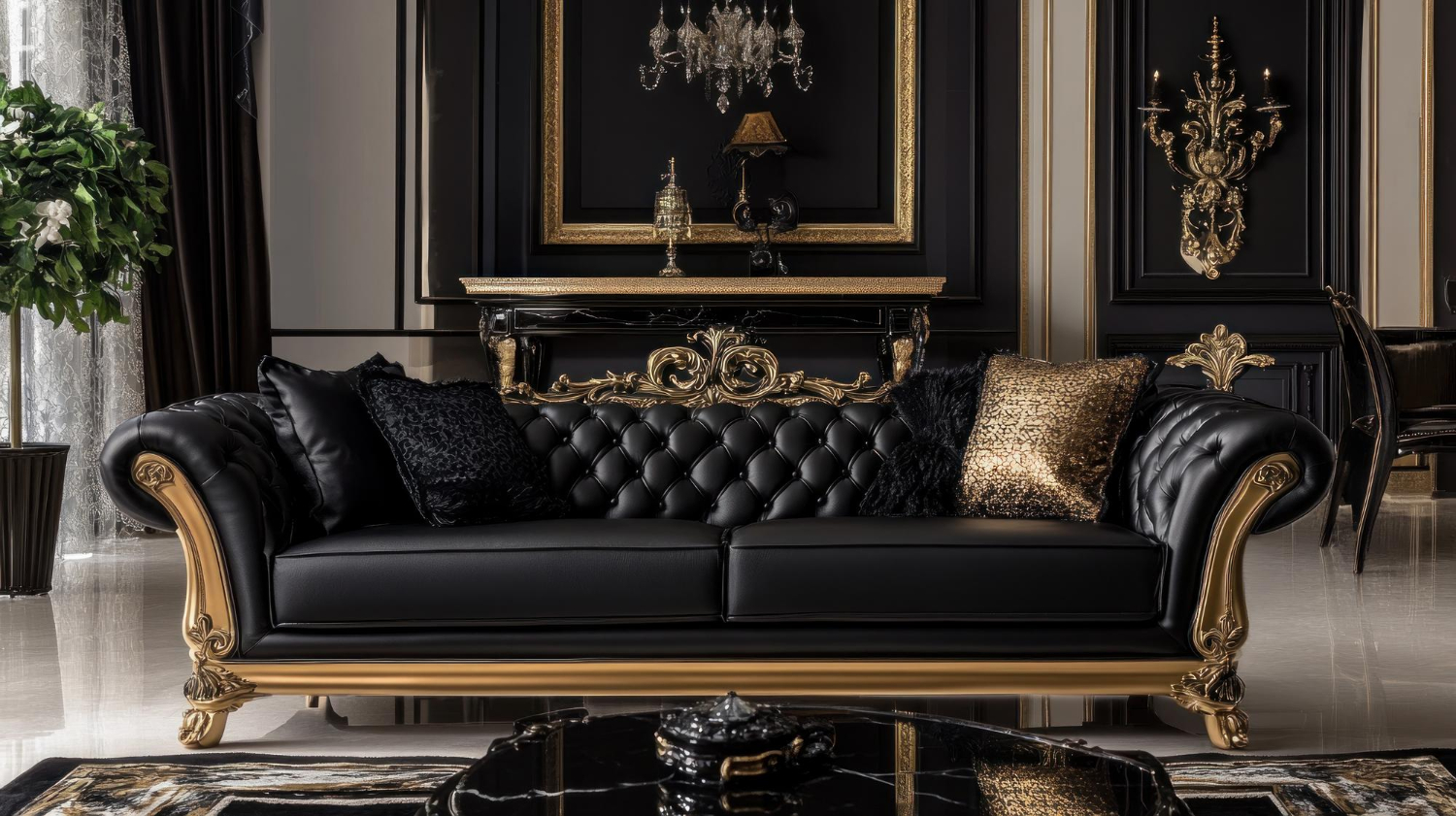
For those who prefer their luxury with a side of mystery, the black-on-silver Baroque chair is a masterclass in mood.

  • The Look: A frame carved from solid mahogany, finished in a high-gloss black lacquer or matte silver, paired with black tufted leather.
  • Why it works: It acts as a perfect “anchor” in a bright, modern room, providing a sharp, architectural silhouette that feels both ancient and avant-garde.


3. The “Collaged” Accent: Mixed-Material Baroque


One of the top trends for 2026 is “Collaging”—the intentional use of multiple fabrics on a single piece of furniture.

  • The Look: A traditional Baroque style armchair frame where the exterior is a rough, tactile linen and the interior seating is a buttery-soft silk or mohair.
  • Engagement Angle: This is the ultimate “bespoke” piece. It tells your guests that this chair wasn’t bought off a shelf; it was commissioned.


4. The Italian Showstopper: The Vimercati Classic


Italian Baroque is known for being more exuberant and “vocal” than its French counterparts.

  • The Look: Incredible vertical height, with backrests that often feature “crown” carvings at the peak.
  • Placement: These are best used in pairs. Place them at the end of a long dining table or flanking a grand fireplace to create a sense of symmetry and power.


5. The “Rococo Lite”: The White & Champagne Armchair


If a full-gold chair feels too heavy for your aesthetic, the Rococo-influenced Baroque style is your best friend.

  • The Look: A white-washed or “pickled” wood frame with subtle champagne-gold accents on the flourishes.
  • Vibe: This is perfect for “Coastal Luxury” or “Modern Farmhouse” interiors that need a touch of femininity and light.


Comparison: Why Choose Baroque Over Modern?


Feature Baroque Armchair Modern Minimalist Chair
Visual Impact High (Statement Piece) Low (Functional Blend)
Detailing Hand-Carved Scrollwork Clean Lines/Angles
Material Feel Tactile (Velvet, Silk, Gold Leaf) Smooth (Leather, Metal, Plastic)
Atmosphere Formal, Regal, Artistic Relaxed, Industrial, Simple


6. The Throne-Back: Tall-Back King Chairs


Nothing says “luxury” like a chair that literally rises above the rest of the furniture.

  • The Look: An exaggeratedly tall backrest, often reaching five feet in height, featuring “Capitonne” (deep button-tufting).
  • Designer Secret: Use this as a “Solitaire” piece. It doesn’t need a matching set; it’s a sculptural work of art that stands alone in a foyer or a library corner.


7. The Sculptural Silhouette: The Swan-Neck Armchair


In 2026, organic shapes are trending. The Baroque style, with its naturalistic carvings of acanthus leaves and animals, fits this perfectly.

  • The Look: Armrests that terminate in carved swan heads or lion paws.
  • Tactile Appeal: This appeals to our desire for “high-touch” environments. Running your hand over a hand-carved lion’s mane is a sensory experience you won’t get from a flat-pack chair.


8. The Modern Mirror-Finish: Chrome & Velvet


For a penthouse look, look for designers who are reimagining the Baroque style armchair in modern metals.

  • The Look: The classic 17th-century shape, but cast in polished chrome or brushed bronze rather than wood.
  • Luxury Tip: Pair chrome frames with jewel-toned velvets like Sapphire or Emerald to create a high-contrast, “Electric Baroque” aesthetic.


9. The Provincial Baroque: Walnut & Tapestry


Not all luxury is shiny. Sometimes, the most expensive look is the one that looks the oldest.

  • The Look: Natural walnut or rosewood frames with a satin oil finish (no shine). The upholstery is a heavy-weave, modern tapestry featuring biophilic (nature-inspired) patterns.
  • Why it’s a must-have: It perfectly captures the “Biophilic Design 2.0” trend—bringing the complexity of nature indoors through artisanal craftsmanship.


10. The Bouclé Baroque: Texture Overload


Combining the trendiest fabric of the decade (bouclé) with the oldest silhouette (Baroque).

  • The Look: A heavily carved, dark wood frame paired with chunky, nubby white bouclé fabric.
  • The Result: The “Soft Revolution.” It’s an armchair that looks like a museum piece but feels like a cloud. It’s the ultimate “Quiet Luxury” statement.


Development Tip: How to Style Baroque in a Modern Home


The biggest fear homeowners have with a Baroque armchair is that it will make their home look like a dusty museum. Here is how to keep it fresh:

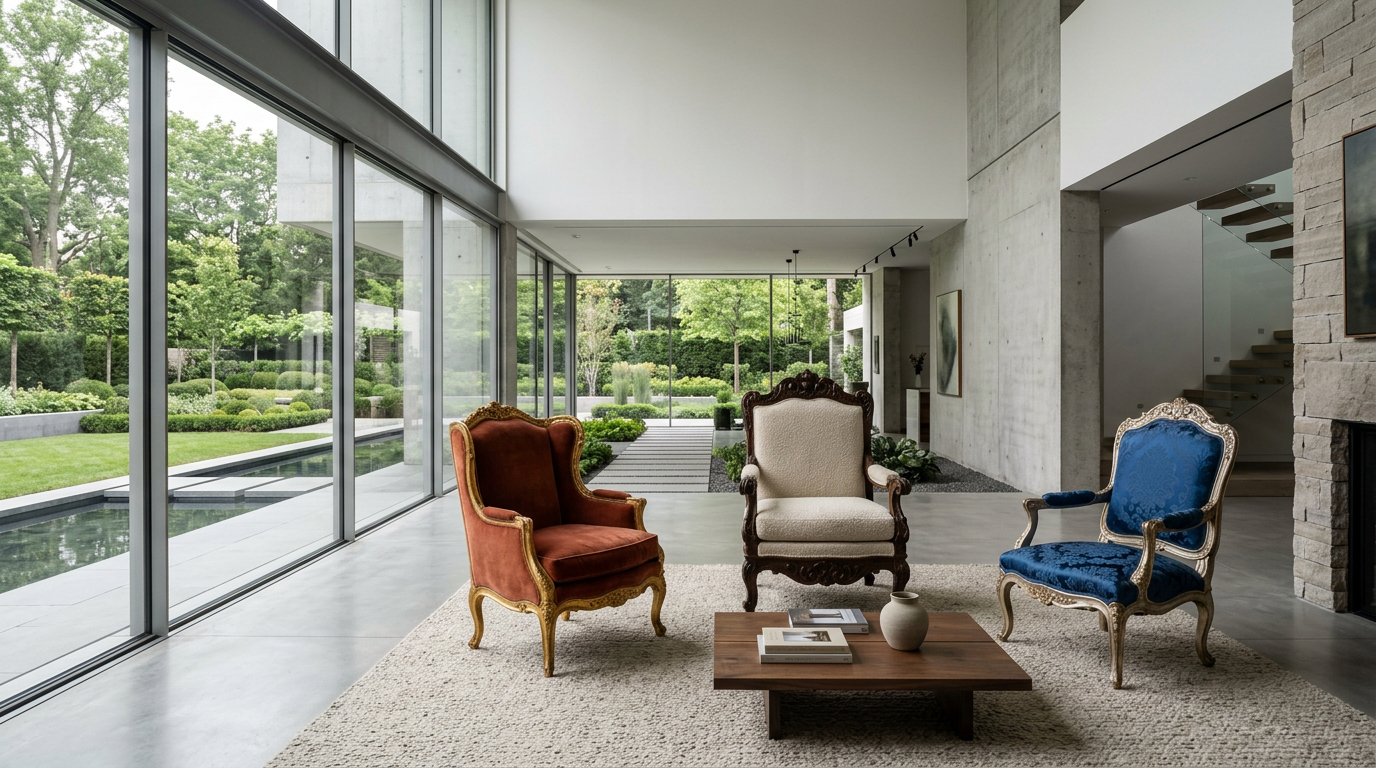
  1. The 80/20 Rule: Keep 80% of your room modern and sleek (clean-lined sofas, neutral walls, hidden tech). Let the remaining 20% be your Baroque statement pieces. This contrast makes the armchair look like a deliberate art choice.
  2. Mind the Scale: Baroque chairs can be “heavy.” Ensure you have enough negative space around the chair. Don’t crowd it with side tables or lamps; let its silhouette breathe.
  3. Lighting is Everything: Because these chairs feature intricate carvings, use layered lighting. A warm floor lamp positioned to hit the gold leaf from the side will create shadows that make the carvings pop, giving you that 3D “architectural intervention” look.


Final Thoughts: Investing in Art


A high-quality Baroque armchair is more than just a place to sit; it is a legacy investment. In a world of fast furniture and disposable trends, these pieces celebrate the human hand. They represent a time when furniture was built to convey status and tell a story.

By choosing a piece that balances 17th-century grandeur with 2026’s earthy palettes and tactile fabrics, you aren’t just decorating a room—you’re crowning it.

Which style speaks to your home’s personality? Are you leaning toward the “Electric Baroque” of chrome and velvet, or the “Quiet Luxury” of satin-finish walnut? Let us know in the comments!
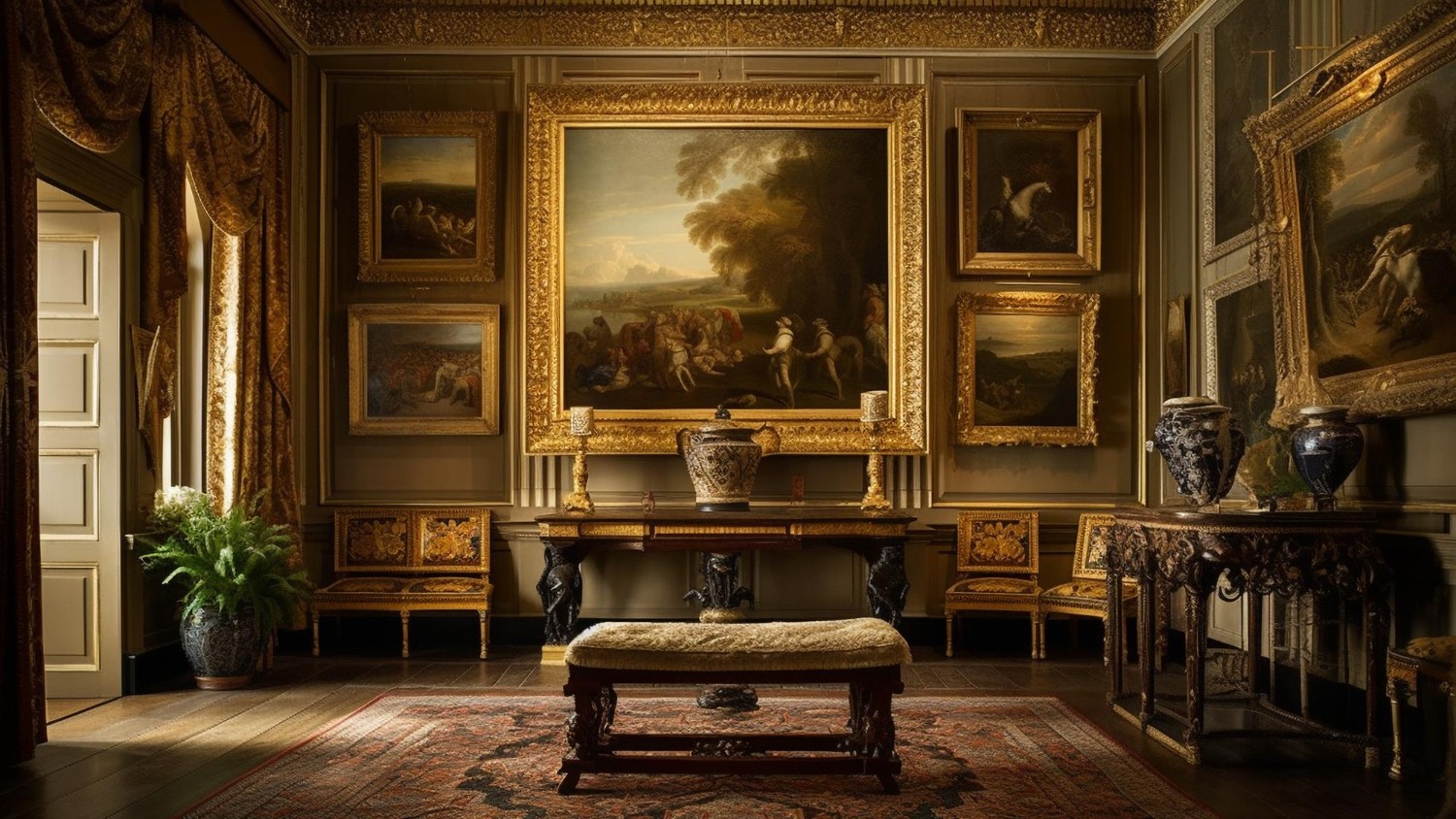
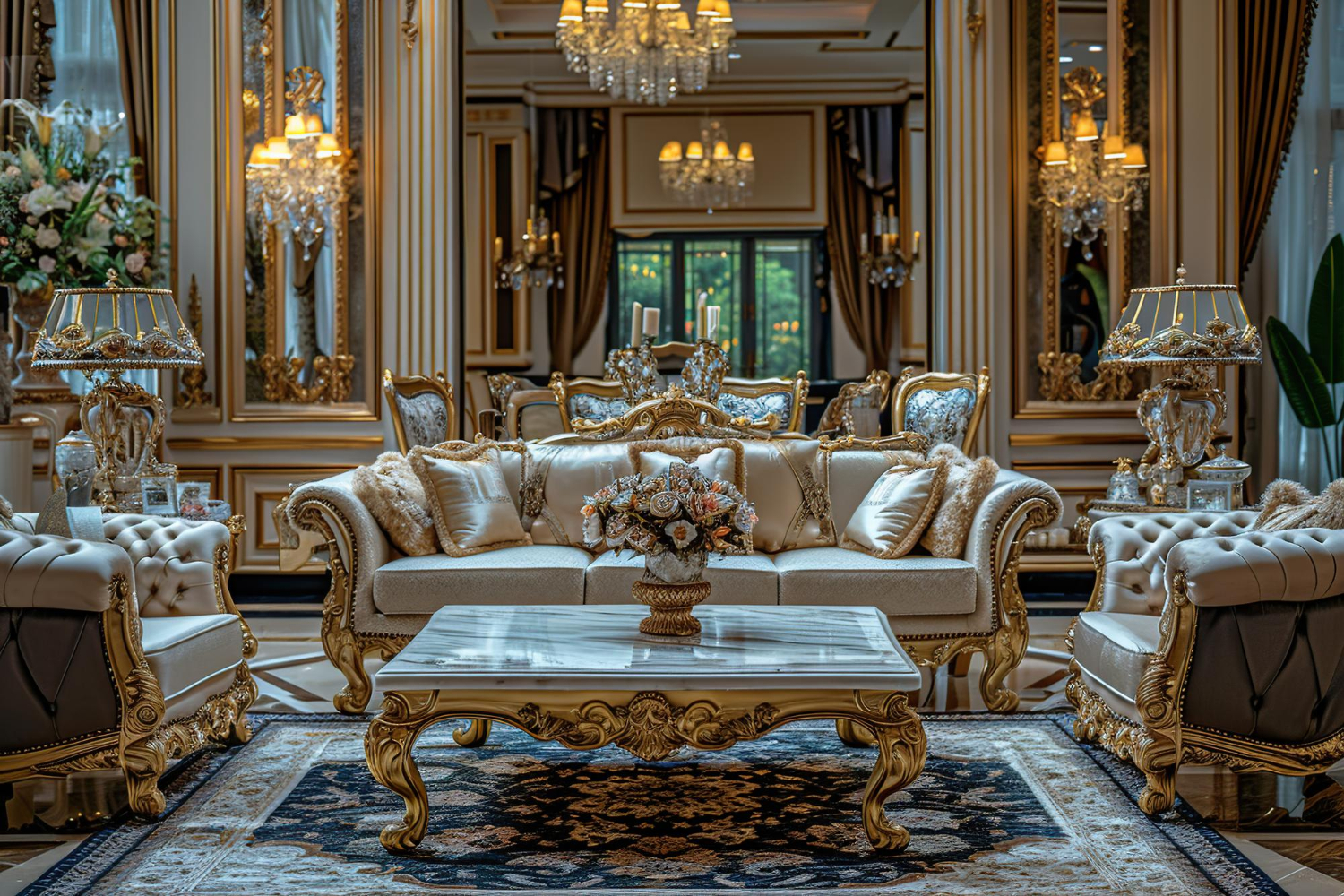
How Baroque Style Furniture Transforms Interiors into Timeless Luxury

Baroque style furniture has an almost magnetic effect. Even for readers who don’t usually gravitate toward ornate design, something about its presence sparks curiosity. Why does it feel so powerful? How does it instantly elevate a room? And most importantly—how can it be used today without making a space feel outdated?

This guide explores how baroque style furniture works, why it continues to fascinate luxury homeowners, and how to use it intelligently in modern interiors.

How Baroque Furniture Creates Instant Visual Authority

Baroque furniture was originally designed for European palaces, where interiors needed to communicate power and permanence. That intent still shows today. Large proportions, curved silhouettes, and deeply carved frames naturally draw the eye and establish hierarchy within a space.

When placed correctly, baroque furniture gives a room structure. A carved sofa defines the living area. An ornate dining table anchors the space. Even a single baroque chair can command attention in a minimalist setting. This visual authority is what makes baroque furniture so compelling—it doesn’t ask for attention, it owns it.

How Craftsmanship Shapes the Baroque Experience

One of the most intriguing aspects of baroque style furniture is its craftsmanship. Unlike mass-produced modern furniture, baroque pieces rely on depth, texture, and hand-finished details.

Carved scrolls, floral motifs, and gilded accents are not surface decorations—they are structural elements of the design. This depth creates shadows and highlights that change throughout the day, giving the furniture a living, sculptural quality. The more you look, the more details you notice, which keeps the design engaging over time.

This is where curiosity turns into appreciation. Baroque furniture rewards close attention.

How Baroque Furniture Works in Modern Homes

A common misconception is that baroque style furniture only belongs in traditional or classical interiors. In reality, modern luxury homes often benefit the most from it.

In contemporary villas and penthouses, baroque furniture is used selectively. Clean walls, neutral colour palettes, and open layouts act as a backdrop, allowing ornate pieces to stand out without overwhelming the space. This contrast creates a curated, gallery-like effect that feels intentional rather than decorative.

The key is restraint. One or two statement pieces often have more impact than a fully baroque room.

How to Choose the Right Baroque Pieces

Choosing baroque style furniture is less about filling space and more about defining it. Start by identifying areas that feel visually empty or lack character. Entry halls, formal living rooms, and master bedrooms are ideal locations.

Scale matters. Larger rooms can accommodate bold designs with elaborate carving, while smaller spaces benefit from slimmer silhouettes with refined detailing. Finishes such as antique gold, soft metallics, or muted tones help integrate baroque furniture into a wider range of interior styles.

How Baroque Furniture Stands the Test of Time

Perhaps the most fascinating aspect of baroque furniture is its longevity. Trends come and go, but baroque design remains relevant because it is rooted in artistry rather than fashion.

High-quality baroque furniture ages gracefully. Over time, it gains character instead of losing relevance. For luxury homeowners and designers, this makes it a long-term investment rather than a temporary design choice.

Final Thoughts

Baroque style furniture continues to captivate because it engages both the eye and the imagination. It tells a story of heritage, craftsmanship, and confidence—while still adapting effortlessly to modern living.

When chosen and placed thoughtfully, baroque furniture doesn’t just decorate a space. It transforms it, leaving a lasting impression that feels rich, intentional, and unmistakably luxurious.

Staging Success: Using Baroque Style Furniture to Elevate Property Value

In the competitive upper tier of the European real estate market, attracting high-net-worth buyers demands more than just impeccable location and construction; it requires selling a vision of exceptional lifestyle. For developers, investors, and property sellers, the strategic use of baroque style furniture is a proven tactic for luxury property staging that justifies premium pricing and accelerates sales.

This approach is rooted in psychology and visual metrics. By transforming a vacant space into a gallery of curated opulence.

Real Estate Strategy: The Value of Visual Authority

The inclusion of a few high-impact pieces of baroque style furniture communicates several immediate messages to a sophisticated buyer: history, permanence, and wealth. This is the difference between showing a house and showcasing a masterpiece.

  • Establishing Pedigree: Baroque design is inherently European, instantly lending a sense of tradition and permanence to a modern luxury apartment or living place. This visual authority helps anchor the luxury property staging strategy.
  • Justifying the Premium: A space featuring a grand gilded mirror or a meticulously carved occasional chair signals that the property is finished to an investment-grade standard. This quality link helps justify higher asking prices and aligns the cost with the buyer’s expectation of ultimate luxury.

Metrics of High-Impact Staging

Effective luxury property staging relies on selecting pieces that deliver maximum visual return with minimal clutter.

1. The Single Statement Piece Rule

Instead of overfilling the space, focus on one or two dominant examples of baroque style furniture per main room.

  • The Focal Point: A console table with deep, elaborate carvings placed in the entryway, or a spectacular, high-backed baroque style furniture settee in the living room. These focal points immediately capture the eye, demonstrating bespoke taste and acting as an emotional anchor for the potential buyer.

2. The Materiality Metric

High-net-worth buyers recognize quality. When using baroque style furniture for staging, authenticity matters.

  • Gold Standard: Ensure gilt elements utilize genuine gold leaf, which reflects light with a warmth and depth that metallic paint cannot replicate under photography or in person. This detail is paramount in reinforcing the luxury property staging narrative.
  • Fabric Selection: Choose sumptuous, high-end fabrics like silk damask or high-thread-count velvet for upholstery, ensuring they look rich and feel luxurious. This tactile element enhances the overall perception of the property’s quality.

By strategically employing authentic baroque style furniture, property staging evolves from simple decoration into a sophisticated real estate strategy that successfully attracts the target demographic and validates the highest asking prices.

Black Lacquer & Gold: The Modern, High-Contrast Baroque Furniture Look

The Baroque period, a time of artistic and architectural flourishing across Europe, is being radically redefined by avant-garde European designers. Moving beyond traditional wood stains and velvet drapes, a striking new trend has emerged: the marriage of classic baroque furniture silhouettes with bold, high-gloss black lacquer and crisp gold accents.

This dramatic aesthetic is not a rejection of heritage; it is a powerful stylistic reinterpretation. It allows designers to inject the extravagance of the 17th century into the sleek lines of contemporary luxury living, creating interiors defined by unapologetic, high-contrast interior design.

Styling Innovation: The Power of Monochromatic Drama

The use of black lacquer on traditionally carved baroque furniture instantly modernizes the piece, transforming it from a historical relic into an editorial-worthy statement. The deep, reflective black eliminates the visual softness of wood grain, emphasizing only the sculptural form and the play of light.

  • Sculptural Focus: A black lacquered commode, for instance, allows the intricate curves and volutes to stand out sharply against a lighter wall. This stark contrast turns the piece into a piece of high-contrast interior design art, perfect for luxury apartments and living places.
  • The Gold Ratio: The gold element—ideally applied via authentic gold leaf—is essential. It is typically reserved for the ornamental carvings, the feet, or the drawer pulls. The small surface area of the gold is amplified by the intense black backdrop, delivering maximum impact with minimal application on the baroque furniture. This ensures the opulence remains refined, not overwhelming.

Achieving Editorial-Worthy High Contrast

For luxury homeowners and investors in baroque furniture, achieving this refined, dramatic look involves more than just selecting the right colour. It’s about materiality and texture, which elevates the piece to true high-contrast interior design.

1. The Finish: Gloss vs. Matte

The choice of lacquer finish determines the atmosphere. A high-gloss black reflects light brilliantly, enhancing the drama and adding a distinctly modern, polished edge. A satin or matte black provides a deeper, quieter sophistication, making the room feel more grounded. Both, however, serve as the perfect foil for gold in achieving the modern Baroque aesthetic.

2. Upholstery for Impact

For seating (such as a black and gold occasional chair or sofa), the upholstery should complement the stark contrast. Consider deep, plush black velvet, which absorbs light, or a crisp white linen or ivory leather. These materials enhance the high-contrast interior design theme and provide a sensual texture against the hard lacquer and gold of the baroque furniture. When used in a luxury apartment, the combination speaks volumes about the owner’s sophisticated taste.

By embracing this bold palette and applying precision in materials, designers are proving that baroque furniture is not bound by history, but is an evolving canvas for sophisticated, contemporary expressions of luxury.

Designing Bespoke Baroque Style Furniture for Unique Spaces

In the world of film and media production, set design demands authenticity and a unique visual narrative. When a scene calls for the dramatic opulence of historical Europe, only tailor-made baroque style furniture can truly capture the required aesthetic. For production designers, prop masters, and art directors, choosing the path of bespoke creation offers unparalleled control over every detail, transforming a concept into a tangible piece of cinematic history.

This is more than procurement; it is collaboration with artisans. We walk through the meticulous manufacturing process that ensures every piece of custom luxury furniture meets the exact specifications of your unique contract brief.

1. From Vision to Blueprint: The Design Sketch

The bespoke journey begins with a precise design brief. A production might require a modified scale to fit a camera angle or a specific historical period (e.g., late 17th-century French vs. early 18th-century Italian baroque style furniture).

  • Engineering for Set Use: The initial sketch is refined into technical drawings that address both the aesthetic and the functional demands of a set. Since set pieces often require repeated movement, the construction must be robust, a hallmark of true custom luxury furniture.

2. Wood Selection: The Foundation of Character

The choice of wood dictates the piece’s durability and how the final finish will appear under studio lighting.

  • Resilient Species: Hardwoods like solid beech or walnut are preferred. Beech offers a stable, fine grain perfect for holding intricate carving, while walnut lends a darker, richer character, ideal for moody, dramatic scenes requiring authentic baroque style furniture.

3. Hand-Carving: The Signature of Opulence

The defining characteristic of baroque style furniture is its deeply undercut, elaborate carving. In a bespoke process, this is executed entirely by hand to achieve a level of artistry that machine production cannot match.

  • Depth and Drama: Artisans sculpt the wood, focusing on achieving a deep relief that will create dramatic chiaroscuro (light and shadow) under cinematic lights. This level of detail is a key feature of custom luxury furniture and ensures visual impact on screen.

4. Custom Patina and Finish: Setting the Scene

The final stage determines the piece’s age and story. For set props, achieving a specific historical look is paramount.

  • Patina Application: Whether the piece needs to look newly gilded for a palace scene or distressed and cracked for an abandoned chateau, the patina is customized. Techniques range from pure gold leaf application to specialized antiquing waxes and lacquers that perfectly replicate centuries of authentic wear. This tailored finish ensures the custom luxury furniture aligns perfectly with the director’s vision, cementing the visual authority of the baroque style furniture on screen.

By controlling every stage from the initial blueprint to the final patina, film studios and production houses can acquire custom luxury furniture that is not just a prop, but a meticulously crafted element of storytelling.


Finding the Perfect Baroque Style Chair for Opulent Dining Spaces

The Baroque era, a celebration of drama, grandeur, and intense detail, gave us furniture that is more than mere seating—it is a statement. For European luxury hotels, private residences, and high-end dining venues, selecting the right baroque style chair is a critical decision that balances historical opulence with modern functional demands.

Moving beyond mere aesthetics, the true hallmark of a quality Baroque chair lies in its engineering. As a luxury shopper or interior professional, your focus must be on an in-depth checklist to ensure timeless beauty and unwavering durability.

The Designer’s Checklist: Excellence in Craftsmanship

Selecting luxury dining room chairs requires scrutiny of three core elements: the wood species, the depth of the carving, and the textile’s resilience.

1. Wood Species: The Foundation of Longevity

Authentic Baroque furniture demands noble, resilient wood. For heavy-use dining rooms, where chairs are constantly moved, the strength of the frame is non-negotiable.

  • Walnut and Mahogany: These are the traditional European choices. Walnut is prized for its fine grain and ability to hold intricate carvings, while mahogany offers exceptional strength and a rich, dark finish.
  • Solid Beechwood: Often preferred in contemporary high-end manufacturing (especially in Italy) for its stability, density, and cost-effectiveness, beechwood provides an incredibly strong base, making it ideal for hotel and commercial settings.

Tip: Always confirm the wood is solid, not veneered, especially in load-bearing areas like the legs and backrest.

2. Carving Depth and Detail: The Visual Signature

The characteristic extravagance of the Baroque style is expressed through its ornate carvings—acanthus leaves, scrollwork, and gilded accents. The quality of this artistry defines the piece.

  • Depth of Relief: High-quality carving will be deeply cut, offering a dramatic interplay of light and shadow (chiaroscuro) that gives the chair a sense of dynamic movement. Shallow, machine-pressed detail lacks this theatre.
  • Hand-Finished Edges: Examine the edges of the scrolls and motifs. In bespoke pieces, these will be meticulously smoothed or lightly distressed by hand, proving the involvement of a master artisan.

3. Textile Durability for Heavy-Use Dining

Aesthetically, velvet, silk, and brocade are synonymous with Baroque luxury. Functionally, however, a dining chair in a hotel or a busy private home demands a high level of endurance.

  • Abrasion Resistance (Martindale Test): For contract use (hotels), select a textile with a Martindale rating of at least 40,000 rubs. This ensures the upholstery can withstand daily, rigorous use without showing wear.
  • Stain and Fire Resistance: Choose fabrics treated for stain repellency, and, crucially, ensure they meet European fire safety standards (such as EN 1021-1 & 2 for commercial use). You want opulence, not vulnerability.

By applying this rigorous checklist, you ensure that your baroque style chair is not just a beautiful antique replica, but a future-proof investment that marries the drama of the 17th century with the resilience demanded by 21st-century luxury dining room chairs.