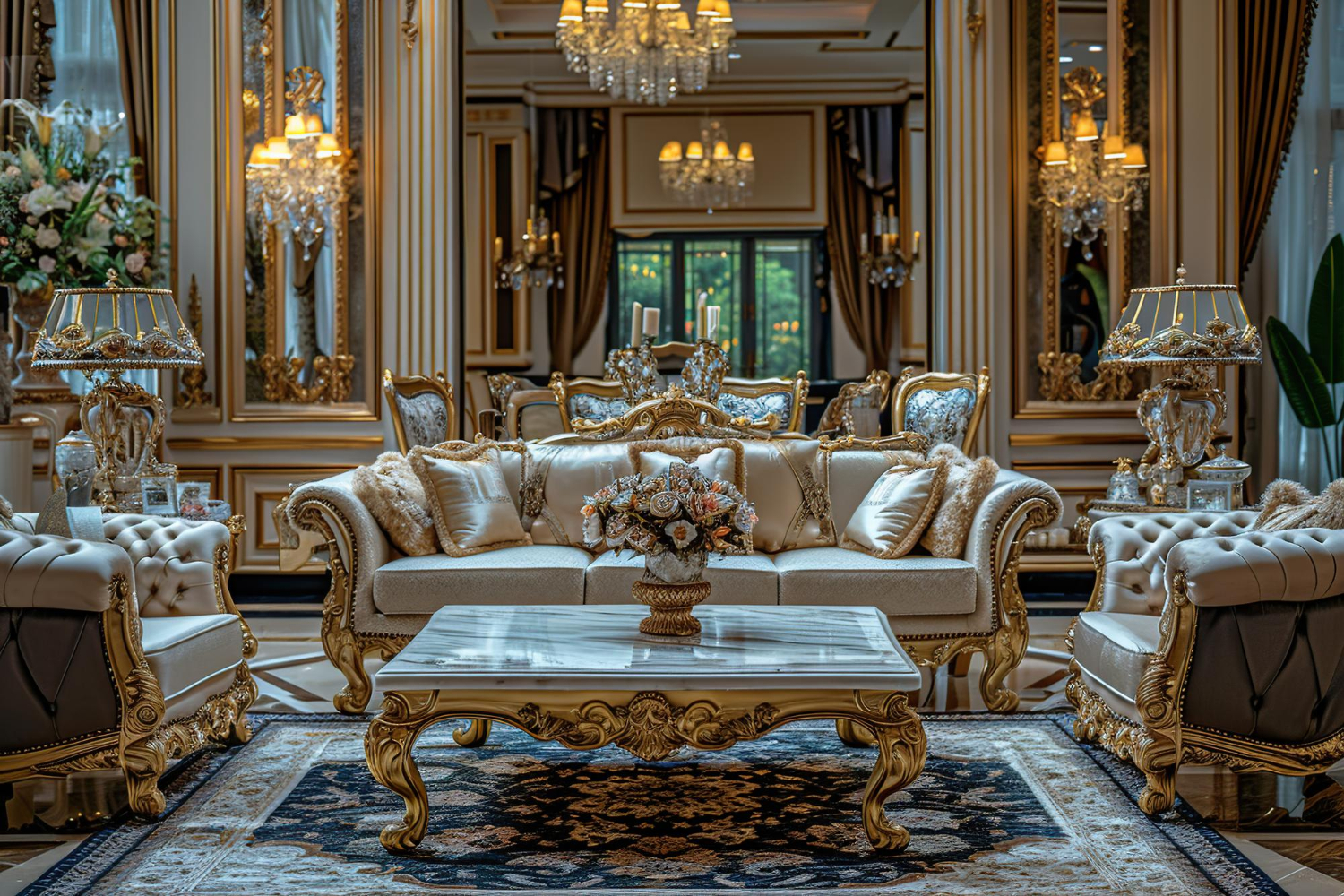
Staging Success: Using Baroque Style Furniture to Elevate Property Value

In the competitive upper tier of the European real estate market, attracting high-net-worth buyers demands more than just impeccable location and construction; it requires selling a vision of exceptional lifestyle. For developers, investors, and property sellers, the strategic use of baroque style furniture is a proven tactic for luxury property staging that justifies premium pricing and accelerates sales.

This approach is rooted in psychology and visual metrics. By transforming a vacant space into a gallery of curated opulence.

Real Estate Strategy: The Value of Visual Authority

The inclusion of a few high-impact pieces of baroque style furniture communicates several immediate messages to a sophisticated buyer: history, permanence, and wealth. This is the difference between showing a house and showcasing a masterpiece.

  • Establishing Pedigree: Baroque design is inherently European, instantly lending a sense of tradition and permanence to a modern luxury apartment or living place. This visual authority helps anchor the luxury property staging strategy.
  • Justifying the Premium: A space featuring a grand gilded mirror or a meticulously carved occasional chair signals that the property is finished to an investment-grade standard. This quality link helps justify higher asking prices and aligns the cost with the buyer’s expectation of ultimate luxury.

Metrics of High-Impact Staging

Effective luxury property staging relies on selecting pieces that deliver maximum visual return with minimal clutter.

1. The Single Statement Piece Rule

Instead of overfilling the space, focus on one or two dominant examples of baroque style furniture per main room.

  • The Focal Point: A console table with deep, elaborate carvings placed in the entryway, or a spectacular, high-backed baroque style furniture settee in the living room. These focal points immediately capture the eye, demonstrating bespoke taste and acting as an emotional anchor for the potential buyer.

2. The Materiality Metric

High-net-worth buyers recognize quality. When using baroque style furniture for staging, authenticity matters.

  • Gold Standard: Ensure gilt elements utilize genuine gold leaf, which reflects light with a warmth and depth that metallic paint cannot replicate under photography or in person. This detail is paramount in reinforcing the luxury property staging narrative.
  • Fabric Selection: Choose sumptuous, high-end fabrics like silk damask or high-thread-count velvet for upholstery, ensuring they look rich and feel luxurious. This tactile element enhances the overall perception of the property’s quality.

By strategically employing authentic baroque style furniture, property staging evolves from simple decoration into a sophisticated real estate strategy that successfully attracts the target demographic and validates the highest asking prices.
Black Lacquer & Gold: The Modern, High-Contrast Baroque Furniture Look

The Baroque period, a time of artistic and architectural flourishing across Europe, is being radically redefined by avant-garde European designers. Moving beyond traditional wood stains and velvet drapes, a striking new trend has emerged: the marriage of classic baroque furniture silhouettes with bold, high-gloss black lacquer and crisp gold accents.

This dramatic aesthetic is not a rejection of heritage; it is a powerful stylistic reinterpretation. It allows designers to inject the extravagance of the 17th century into the sleek lines of contemporary luxury living, creating interiors defined by unapologetic, high-contrast interior design.

Styling Innovation: The Power of Monochromatic Drama

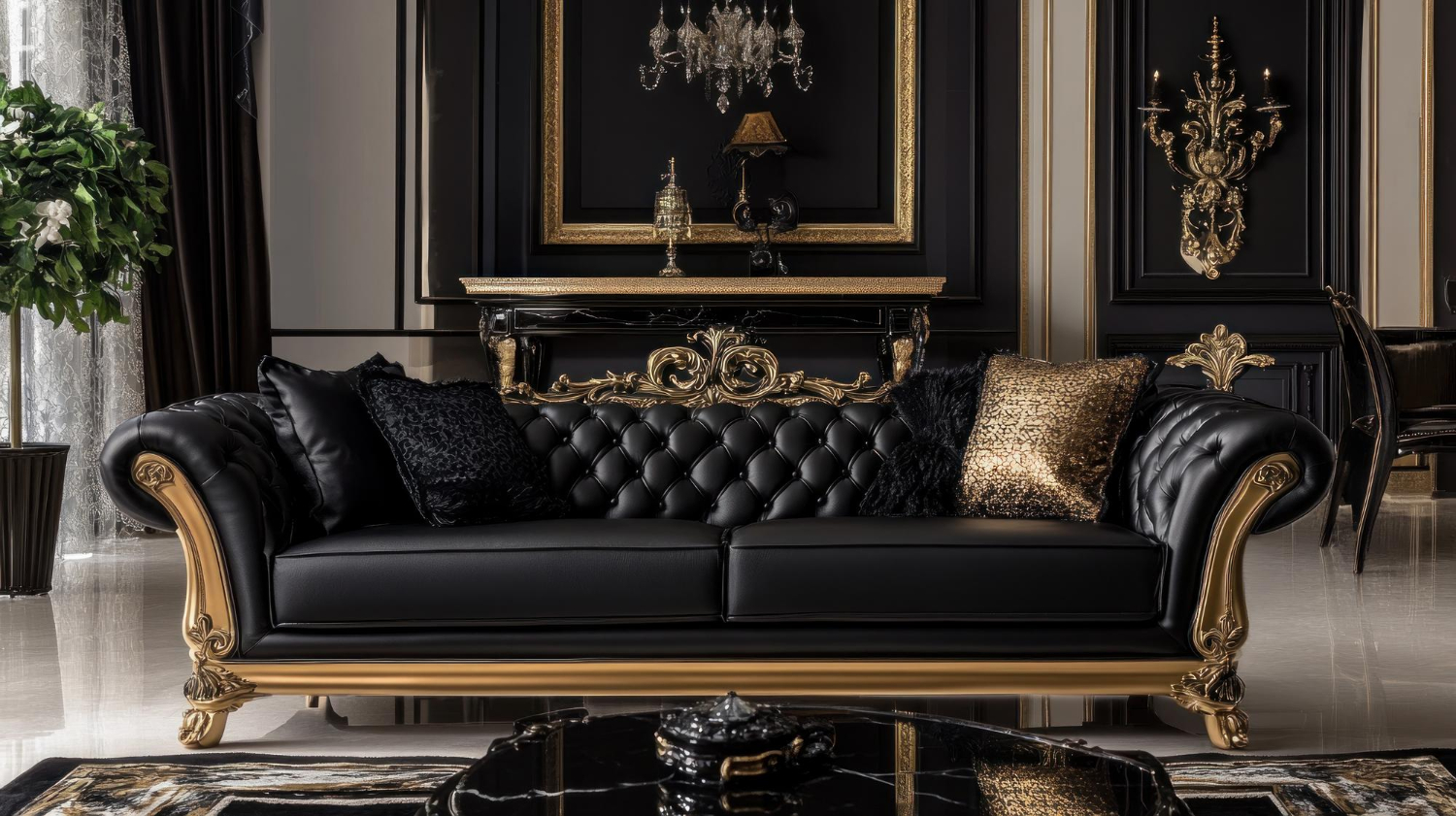
The use of black lacquer on traditionally carved baroque furniture instantly modernizes the piece, transforming it from a historical relic into an editorial-worthy statement. The deep, reflective black eliminates the visual softness of wood grain, emphasizing only the sculptural form and the play of light.

  • Sculptural Focus: A black lacquered commode, for instance, allows the intricate curves and volutes to stand out sharply against a lighter wall. This stark contrast turns the piece into a piece of high-contrast interior design art, perfect for luxury apartments and living places.
  • The Gold Ratio: The gold element—ideally applied via authentic gold leaf—is essential. It is typically reserved for the ornamental carvings, the feet, or the drawer pulls. The small surface area of the gold is amplified by the intense black backdrop, delivering maximum impact with minimal application on the baroque furniture. This ensures the opulence remains refined, not overwhelming.

Achieving Editorial-Worthy High Contrast

For luxury homeowners and investors in baroque furniture, achieving this refined, dramatic look involves more than just selecting the right colour. It’s about materiality and texture, which elevates the piece to true high-contrast interior design.

1. The Finish: Gloss vs. Matte

The choice of lacquer finish determines the atmosphere. A high-gloss black reflects light brilliantly, enhancing the drama and adding a distinctly modern, polished edge. A satin or matte black provides a deeper, quieter sophistication, making the room feel more grounded. Both, however, serve as the perfect foil for gold in achieving the modern Baroque aesthetic.

2. Upholstery for Impact

For seating (such as a black and gold occasional chair or sofa), the upholstery should complement the stark contrast. Consider deep, plush black velvet, which absorbs light, or a crisp white linen or ivory leather. These materials enhance the high-contrast interior design theme and provide a sensual texture against the hard lacquer and gold of the baroque furniture. When used in a luxury apartment, the combination speaks volumes about the owner’s sophisticated taste.

By embracing this bold palette and applying precision in materials, designers are proving that baroque furniture is not bound by history, but is an evolving canvas for sophisticated, contemporary expressions of luxury.

Designing Bespoke Baroque Style Furniture for Unique Spaces

In the world of film and media production, set design demands authenticity and a unique visual narrative. When a scene calls for the dramatic opulence of historical Europe, only tailor-made baroque style furniture can truly capture the required aesthetic. For production designers, prop masters, and art directors, choosing the path of bespoke creation offers unparalleled control over every detail, transforming a concept into a tangible piece of cinematic history.

This is more than procurement; it is collaboration with artisans. We walk through the meticulous manufacturing process that ensures every piece of custom luxury furniture meets the exact specifications of your unique contract brief.

1. From Vision to Blueprint: The Design Sketch

The bespoke journey begins with a precise design brief. A production might require a modified scale to fit a camera angle or a specific historical period (e.g., late 17th-century French vs. early 18th-century Italian baroque style furniture).

  • Engineering for Set Use: The initial sketch is refined into technical drawings that address both the aesthetic and the functional demands of a set. Since set pieces often require repeated movement, the construction must be robust, a hallmark of true custom luxury furniture.

2. Wood Selection: The Foundation of Character

The choice of wood dictates the piece’s durability and how the final finish will appear under studio lighting.

  • Resilient Species: Hardwoods like solid beech or walnut are preferred. Beech offers a stable, fine grain perfect for holding intricate carving, while walnut lends a darker, richer character, ideal for moody, dramatic scenes requiring authentic baroque style furniture.

3. Hand-Carving: The Signature of Opulence

The defining characteristic of baroque style furniture is its deeply undercut, elaborate carving. In a bespoke process, this is executed entirely by hand to achieve a level of artistry that machine production cannot match.

  • Depth and Drama: Artisans sculpt the wood, focusing on achieving a deep relief that will create dramatic chiaroscuro (light and shadow) under cinematic lights. This level of detail is a key feature of custom luxury furniture and ensures visual impact on screen.

4. Custom Patina and Finish: Setting the Scene

The final stage determines the piece’s age and story. For set props, achieving a specific historical look is paramount.

  • Patina Application: Whether the piece needs to look newly gilded for a palace scene or distressed and cracked for an abandoned chateau, the patina is customized. Techniques range from pure gold leaf application to specialized antiquing waxes and lacquers that perfectly replicate centuries of authentic wear. This tailored finish ensures the custom luxury furniture aligns perfectly with the director’s vision, cementing the visual authority of the baroque style furniture on screen.

By controlling every stage from the initial blueprint to the final patina, film studios and production houses can acquire custom luxury furniture that is not just a prop, but a meticulously crafted element of storytelling.