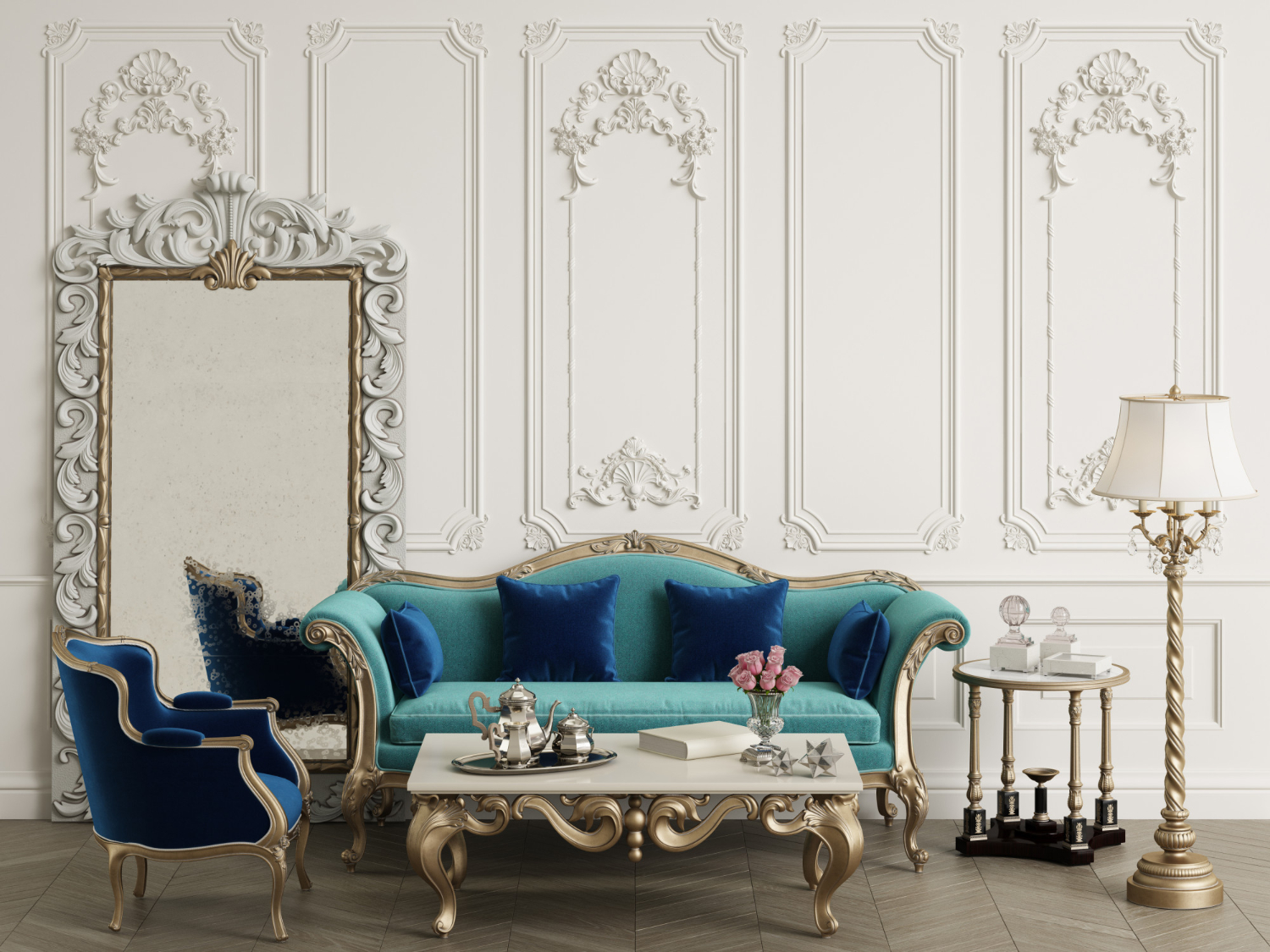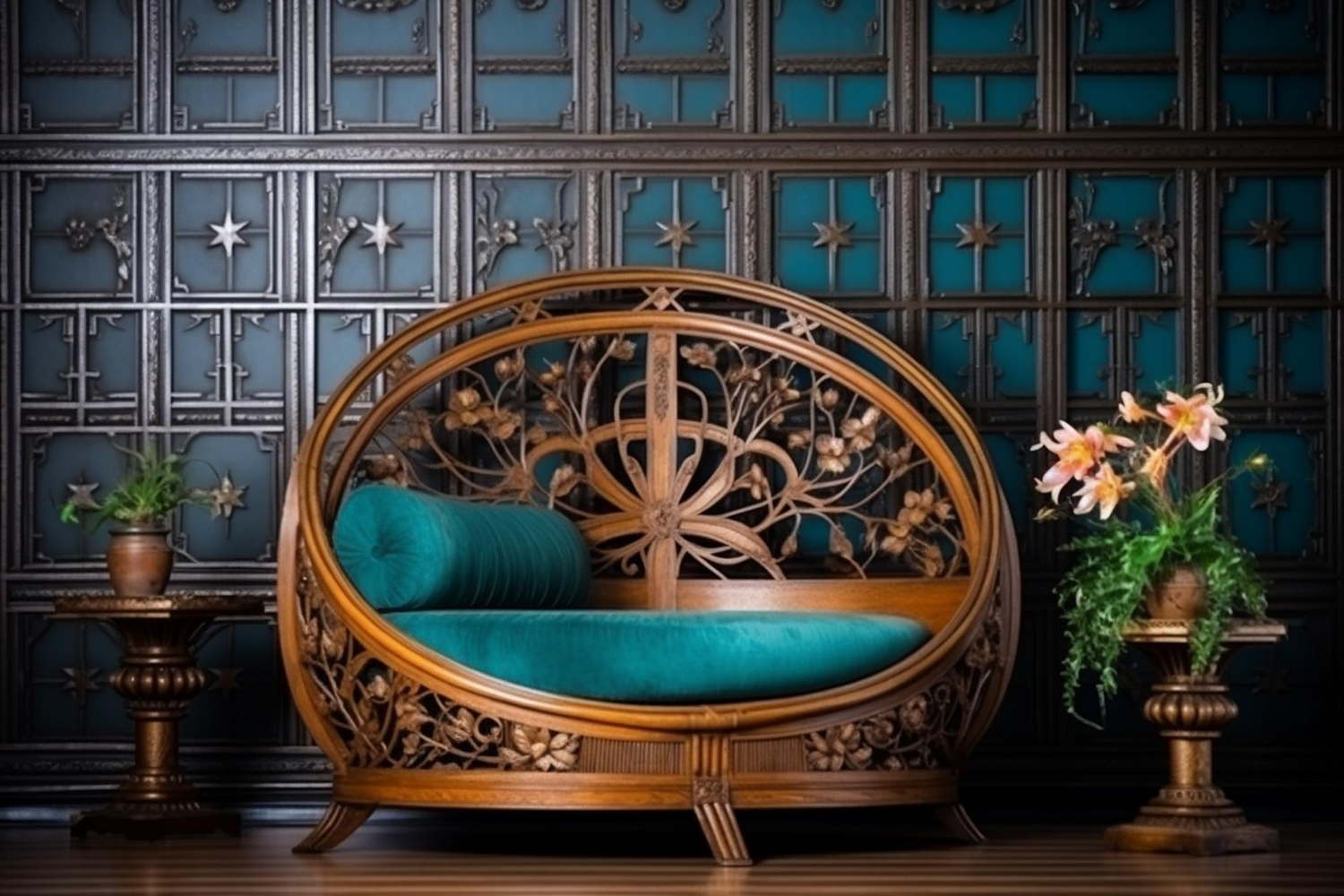
Designing Bespoke Baroque Style Furniture for Unique Spaces

In the world of film and media production, set design demands authenticity and a unique visual narrative. When a scene calls for the dramatic opulence of historical Europe, only tailor-made baroque style furniture can truly capture the required aesthetic. For production designers, prop masters, and art directors, choosing the path of bespoke creation offers unparalleled control over every detail, transforming a concept into a tangible piece of cinematic history.

This is more than procurement; it is collaboration with artisans. We walk through the meticulous manufacturing process that ensures every piece of custom luxury furniture meets the exact specifications of your unique contract brief.

1. From Vision to Blueprint: The Design Sketch

The bespoke journey begins with a precise design brief. A production might require a modified scale to fit a camera angle or a specific historical period (e.g., late 17th-century French vs. early 18th-century Italian baroque style furniture).

  • Engineering for Set Use: The initial sketch is refined into technical drawings that address both the aesthetic and the functional demands of a set. Since set pieces often require repeated movement, the construction must be robust, a hallmark of true custom luxury furniture.

2. Wood Selection: The Foundation of Character

The choice of wood dictates the piece’s durability and how the final finish will appear under studio lighting.

  • Resilient Species: Hardwoods like solid beech or walnut are preferred. Beech offers a stable, fine grain perfect for holding intricate carving, while walnut lends a darker, richer character, ideal for moody, dramatic scenes requiring authentic baroque style furniture.

3. Hand-Carving: The Signature of Opulence

The defining characteristic of baroque style furniture is its deeply undercut, elaborate carving. In a bespoke process, this is executed entirely by hand to achieve a level of artistry that machine production cannot match.

  • Depth and Drama: Artisans sculpt the wood, focusing on achieving a deep relief that will create dramatic chiaroscuro (light and shadow) under cinematic lights. This level of detail is a key feature of custom luxury furniture and ensures visual impact on screen.

4. Custom Patina and Finish: Setting the Scene

The final stage determines the piece’s age and story. For set props, achieving a specific historical look is paramount.

  • Patina Application: Whether the piece needs to look newly gilded for a palace scene or distressed and cracked for an abandoned chateau, the patina is customized. Techniques range from pure gold leaf application to specialized antiquing waxes and lacquers that perfectly replicate centuries of authentic wear. This tailored finish ensures the custom luxury furniture aligns perfectly with the director’s vision, cementing the visual authority of the baroque style furniture on screen.

By controlling every stage from the initial blueprint to the final patina, film studios and production houses can acquire custom luxury furniture that is not just a prop, but a meticulously crafted element of storytelling.
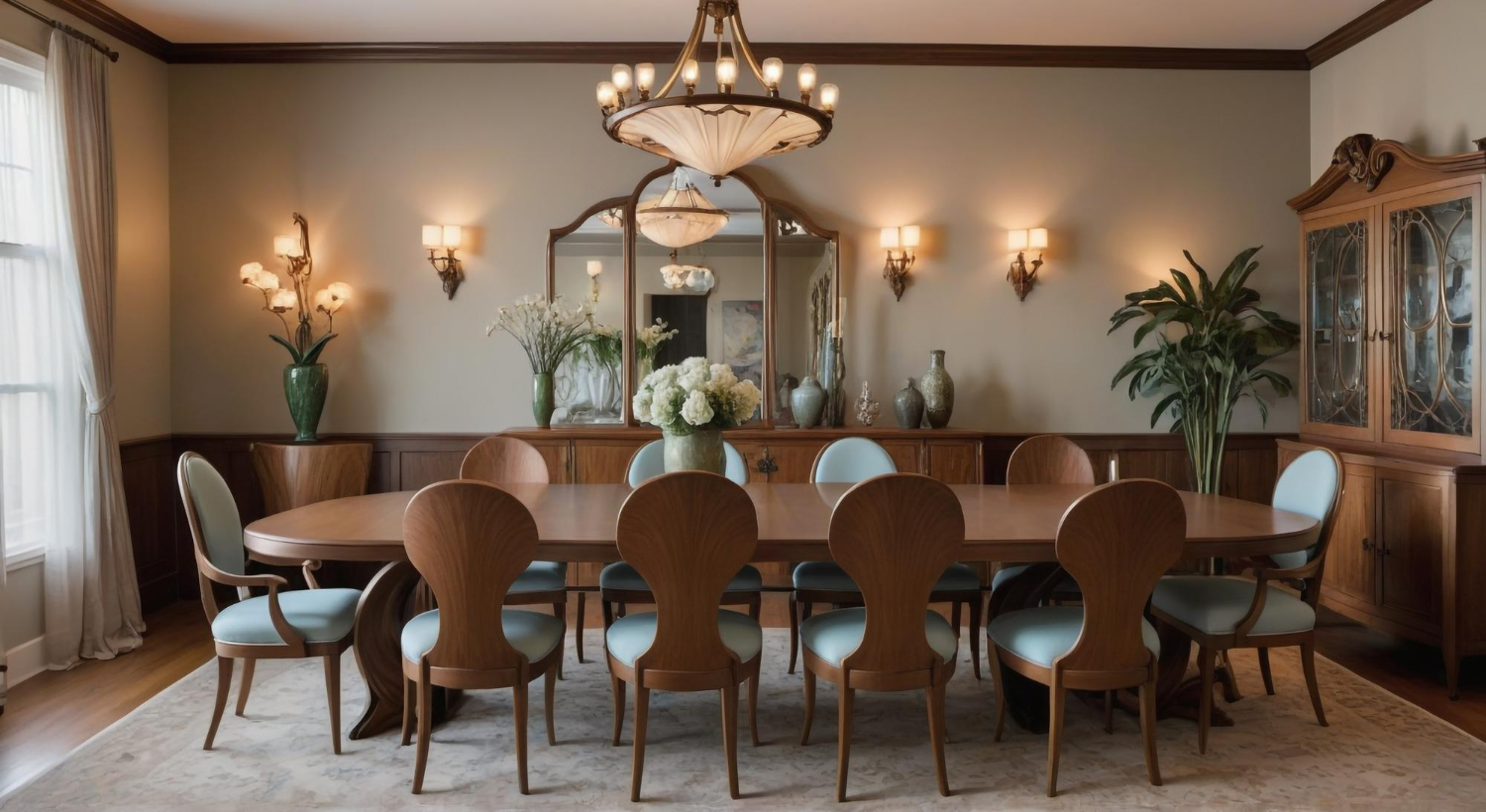


Finding the Perfect Baroque Style Chair for Opulent Dining Spaces

The Baroque era, a celebration of drama, grandeur, and intense detail, gave us furniture that is more than mere seating—it is a statement. For European luxury hotels, private residences, and high-end dining venues, selecting the right baroque style chair is a critical decision that balances historical opulence with modern functional demands.

Moving beyond mere aesthetics, the true hallmark of a quality Baroque chair lies in its engineering. As a luxury shopper or interior professional, your focus must be on an in-depth checklist to ensure timeless beauty and unwavering durability.

The Designer’s Checklist: Excellence in Craftsmanship

Selecting luxury dining room chairs requires scrutiny of three core elements: the wood species, the depth of the carving, and the textile’s resilience.

1. Wood Species: The Foundation of Longevity

Authentic Baroque furniture demands noble, resilient wood. For heavy-use dining rooms, where chairs are constantly moved, the strength of the frame is non-negotiable.

  • Walnut and Mahogany: These are the traditional European choices. Walnut is prized for its fine grain and ability to hold intricate carvings, while mahogany offers exceptional strength and a rich, dark finish.
  • Solid Beechwood: Often preferred in contemporary high-end manufacturing (especially in Italy) for its stability, density, and cost-effectiveness, beechwood provides an incredibly strong base, making it ideal for hotel and commercial settings.

Tip: Always confirm the wood is solid, not veneered, especially in load-bearing areas like the legs and backrest.

2. Carving Depth and Detail: The Visual Signature

The characteristic extravagance of the Baroque style is expressed through its ornate carvings—acanthus leaves, scrollwork, and gilded accents. The quality of this artistry defines the piece.

  • Depth of Relief: High-quality carving will be deeply cut, offering a dramatic interplay of light and shadow (chiaroscuro) that gives the chair a sense of dynamic movement. Shallow, machine-pressed detail lacks this theatre.
  • Hand-Finished Edges: Examine the edges of the scrolls and motifs. In bespoke pieces, these will be meticulously smoothed or lightly distressed by hand, proving the involvement of a master artisan.

3. Textile Durability for Heavy-Use Dining

Aesthetically, velvet, silk, and brocade are synonymous with Baroque luxury. Functionally, however, a dining chair in a hotel or a busy private home demands a high level of endurance.

  • Abrasion Resistance (Martindale Test): For contract use (hotels), select a textile with a Martindale rating of at least 40,000 rubs. This ensures the upholstery can withstand daily, rigorous use without showing wear.
  • Stain and Fire Resistance: Choose fabrics treated for stain repellency, and, crucially, ensure they meet European fire safety standards (such as EN 1021-1 & 2 for commercial use). You want opulence, not vulnerability.

By applying this rigorous checklist, you ensure that your baroque style chair is not just a beautiful antique replica, but a future-proof investment that marries the drama of the 17th century with the resilience demanded by 21st-century luxury dining room chairs.

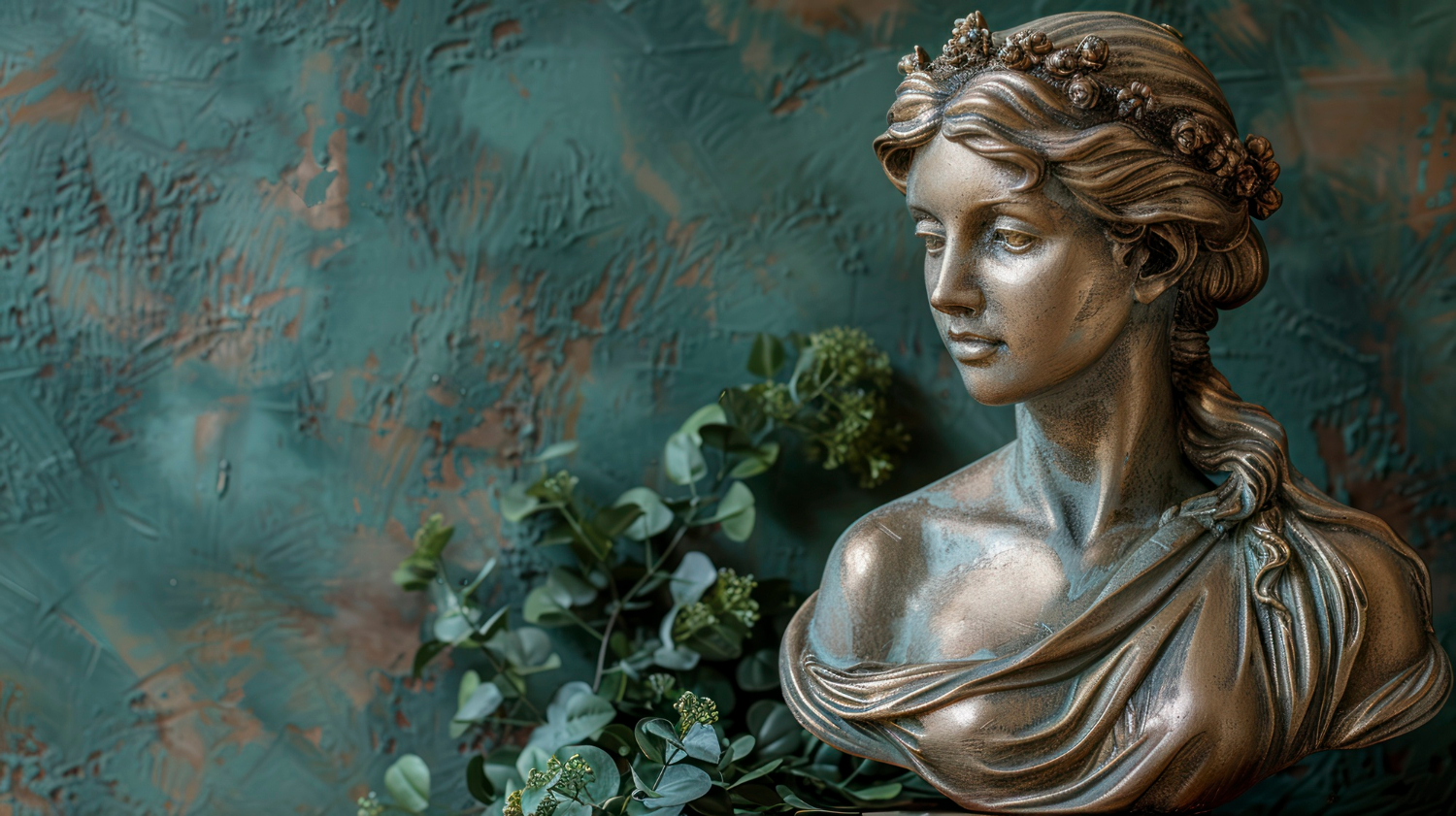
How Gilding in Baroque Art Sculpture Translates to Modern Furnishings

The Baroque period, a time of artistic and architectural flourishing across Europe, established gold as the ultimate signifier of divine light and human power. This opulence was often achieved through gilding—the application of gold leaf—a technique that transformed everyday objects and monumental Baroque art sculpture into dazzling masterpieces.

Today, this aesthetic is foundational to contemporary gilded luxury decor, enriching everything from custom headboards to ornamental mirrors. For the luxury buyer or interior designer, understanding the translation of this historic technique is vital to ensuring lasting quality and authentic appeal.

The Legacy of Gilding in Luxury Decor

Gilding gives modern gilded luxury decor its signature warmth and depth, providing a visual link to historical European grandeur. However, not all gold finishes are created equal. The enduring value of a piece is defined by the material used and the process of application.

1. Gold Leaf vs. Metallic Paints

The key distinction in modern gilded luxury decor lies between genuine gold leaf and metallic paint finishes.

  • Genuine Gold Leaf: The artisanal standard inherited directly from Baroque art sculpture. Gold leaf (typically 12k to 24k) is hammered into impossibly thin sheets and applied by hand using specialized techniques like water gilding or oil gilding. This process yields a deep, luminous glow that refracts light softly. It is highly durable and retains its colour permanently.
  • Metallic Paint: A contemporary, mass-market solution that uses fine metal powders (often brass or copper alloy) suspended in a binder. While effective for initial shine, metallic paint lacks the depth of gold leaf, often appears too bright or “greenish,” and can dull or tarnish over time.

For true gilded luxury decor, the investment in gold leaf is non-negotiable, offering superior light reflection and permanence.

2. Achieving the Authentic Aged Look

An authentic piece of gilded luxury decor rarely looks brand new. The beauty of historical Baroque art sculpture is its patina—the subtle wear that speaks of time.

  • The Distressing Process: To replicate the subtle wear of genuine Baroque antiques, skilled artisans apply a distressing technique. This involves applying a slightly darker glaze (antiquing) over the gold leaf and then carefully wiping it back, settling the pigment into the crevices. This creates the coveted look of age, where the gold appears softly burnished rather than starkly reflective.

By insisting on traditional gold leaf application and sympathetic distressing, modern furnishings can capture the eternal drama and investment-grade quality of classic Baroque art sculpture.

Mastering Scale: Fitting Grand Baroque Style Furniture in EU Apartments

The opulence of the Baroque aesthetic is a timeless statement, highly coveted in European luxury interiors. However, the inherent drama and substantial scale of baroque style furniture can be daunting when faced with the more constrained dimensions of a modern EU apartment.

The secret to integrating these magnificent pieces is not to rely on size alone, but to master the art of illusion. For the discerning interior designer or luxury homeowner, success lies in three strategic tools: mirrored surfaces, calculated lighting, and precise furniture arrangement.

1. The Power of Reflection: Strategic Mirrored Surfaces

Mirrors are the most effective tool in luxury apartment styling for manipulating perceived space. When used correctly, they double the visual impact of your chosen baroque style furniture while making the room feel significantly larger.

  • Gilded Console Placement: Position a substantial, gilded Baroque console table against a wall. Above it, hang a grand Venetian-style mirror. The mirror should be large enough to reflect the entire room, essentially cloning the space and showcasing the intricate detailing of the baroque style furniture without taking up additional physical volume.
  • Mirrored Furniture: Consider smaller accent pieces, such as mirrored commodes or side tables. These pieces offer the ornate framework of Baroque design but use their reflective surfaces to blend seamlessly into the background, adding light and maximizing the luxurious feel of the luxury apartment styling.

2. Calculated Illumination: Highlighting Opulence

Baroque design thrives on chiaroscuro—the dramatic interplay of light and shadow. The right lighting is crucial for showcasing the deep carvings and luxurious textiles of your baroque style furniture.

  • Focus on Uplighting: Use discreet floor lamps or recessed lighting directed towards the ceiling or walls. This prevents harsh shadows and draws attention upwards, visually increasing the room’s height.
  • The Chandelier Scale: While a grand chandelier is essential to luxury apartment styling, choose one that is proportional to the room, not just the ceiling height. Pair a crystal chandelier with wall sconces placed strategically to highlight the textured fabrics or the high-relief carvings on your baroque style furniture.

3. Careful Arrangement: The “Floating” Effect

When placing substantial baroque style furniture in a smaller space, avoid pushing all pieces against the walls. This creates a dense, static look.

  • The Floating Sofa: Allow the primary seating piece—such as a Baroque-inspired sofa—to ‘float’ slightly away from the wall. This introduces negative space, making the room feel airier and improving the flow, which is vital for successful luxury apartment styling.
  • Vertical Draw: Utilize tall pieces like display cabinets or vitrines (often adorned with Baroque ornamentation). Placing them in corners draws the eye up and tricks the brain into perceiving vertical space. This is a subtle yet highly effective technique when incorporating grand baroque style furniture.

By mastering these techniques of reflection, light, and arrangement, you can confidently integrate the powerful drama of baroque style furniture into even the most contemporary and compact European apartment, achieving a truly exquisite level of luxury apartment styling.