The Craftsmanship Behind Luxury Baroque Furniture: What Makes It Worth the Investment

In a world increasingly dominated by fast production and minimalist trends, baroque furniture stands apart as a celebration of artistry, heritage, and timeless grandeur. For discerning homeowners and collectors, investing in baroque style furniture is not merely about acquiring décor—it is about owning a piece of history shaped by master craftsmanship.

Yet many buyers ask a reasonable question: Why does baroque furniture command such premium pricing? The answer lies not in branding or marketing hype, but in the extraordinary level of detail, time, and artisanal expertise behind every curve, carving, and gilded finish.

If you appreciate understanding what you are paying for, this guide will walk you through the craftsmanship, materials, techniques, and finishing processes that justify the investment in luxury baroque furniture.

Understanding the Heritage of Baroque Style Furniture

Before examining craftsmanship, it is important to understand the roots of baroque design. Emerging in 17th-century Europe, the baroque movement was synonymous with opulence, drama, and intricate ornamentation. Royal courts and aristocratic estates embraced elaborate furniture as symbols of power and prestige.

Today’s luxury baroque furniture remains faithful to that heritage. From carved thrones and ornate consoles to tufted baroque sofas and gilded dining sets, the style continues to reflect grandeur and sophistication.

Unlike contemporary mass-produced furniture, authentic baroque style furniture requires an artistic mindset. Every piece is treated as functional art rather than simply a household object.

The Art of Hand Carving: Where True Value Begins

One of the defining characteristics of premium baroque furniture is hand carving. This is where craftsmanship truly reveals itself.

1. Solid Wood Foundations

Authentic baroque furniture typically begins with high-quality hardwoods such as mahogany, walnut, or beechwood. These woods are selected for their density, durability, and ability to hold detailed carvings.

Mass-produced alternatives often rely on engineered wood or veneers. In contrast, luxury baroque pieces use solid wood frames that can last generations.

2. Intricate Motifs and Details

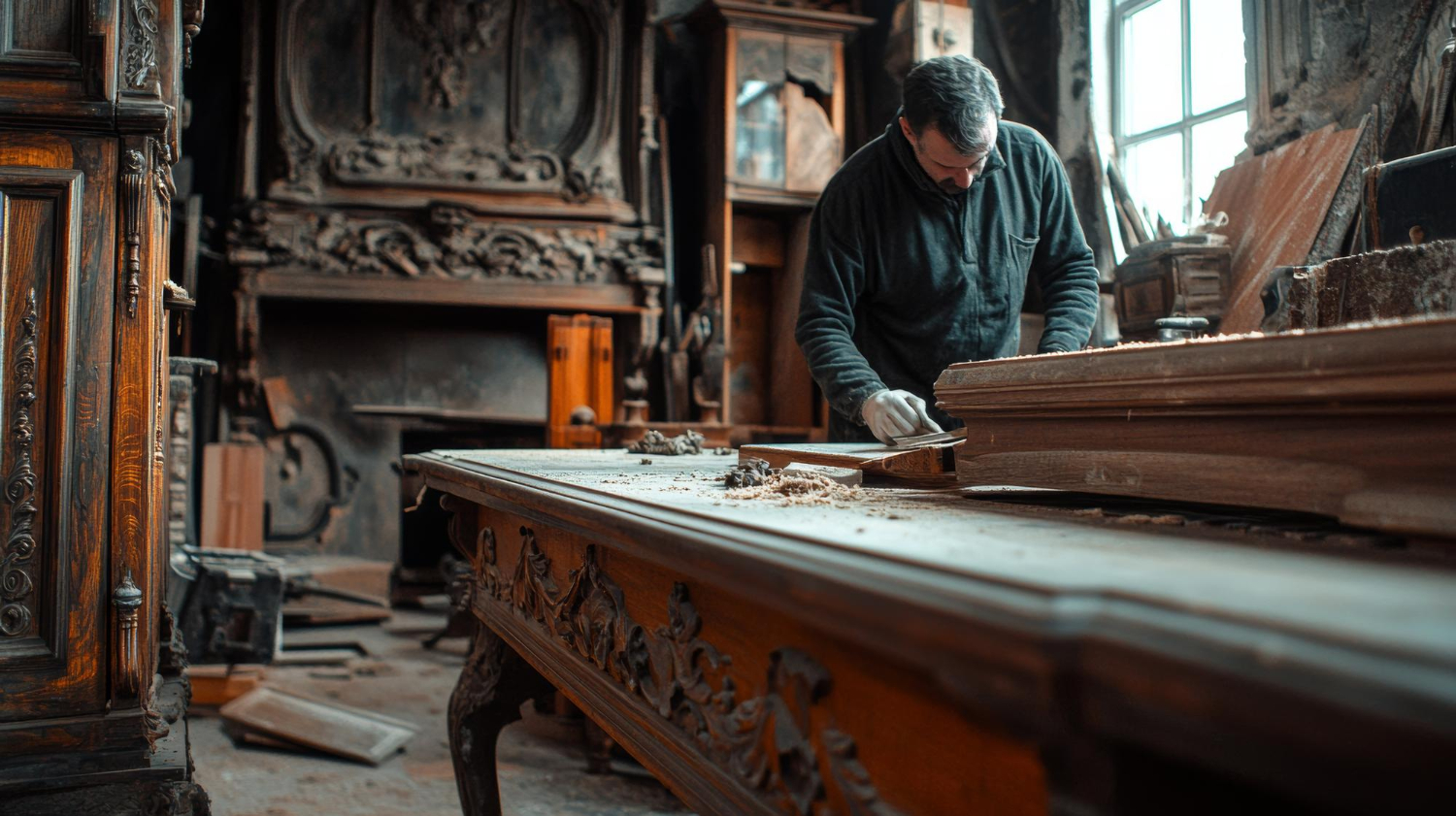
Hand carving is not a mechanical process. Skilled artisans spend hours, sometimes weeks, shaping elaborate scrolls, floral motifs, acanthus leaves, shells, and cherubs into the wood. Each detail must flow seamlessly into the next.

Because these carvings are done manually, no two pieces are ever perfectly identical. That uniqueness enhances their artistic and collectible value.

3. Time Investment

Carving a single armrest or crown crest can take several days of meticulous work. Larger statement pieces, such as a baroque bed frame or grand dining table, may require months to complete.

When buyers understand the sheer labor involved, the premium pricing begins to make sense.

Premium Materials That Define Luxury Baroque Furniture

Beyond carving, materials play a significant role in determining quality and longevity.

Upholstery Excellence

Baroque style furniture is known for luxurious upholstery. Velvet, silk blends, jacquard fabrics, and premium leather are commonly used to create plush seating surfaces.

Button tufting, deep padding, and hand-stitched details ensure both comfort and durability. High-density foam combined with traditional spring systems enhances structural integrity while maintaining classic aesthetics.

Gold and Silver Leaf Finishing

One of the most iconic features of luxury baroque furniture is gilding. Genuine gold leaf or silver leaf is applied by hand to carved surfaces, creating a luminous finish.

This process requires multiple stages:

  • Surface preparation and smoothing
  • Application of adhesive sizing
  • Careful placement of delicate metal leaf
  • Burnishing and sealing for durability

It is an art form in itself, demanding patience and precision.

Marble and Decorative Accents

Baroque consoles and side tables often feature marble tops. Natural stone adds both durability and visual contrast to intricate wooden bases. The combination of solid wood and stone elevates the piece beyond decorative furniture into heirloom territory.

The Finishing Process: Where Craft Becomes Mastery

Finishing is what transforms carved wood into refined baroque furniture worthy of luxury interiors.

Multi-Layer Polishing

Unlike factory spray finishes, baroque pieces undergo layered polishing techniques. Each coat is applied carefully, sanded, and reapplied to achieve depth and richness.

This layered method protects the wood while enhancing the carved details.

Antique Patina Effects

Some pieces feature intentional aging or patina treatments. This is not artificial wear—it is a specialized finishing technique designed to mimic the elegance of antique baroque furniture.

The result is depth, warmth, and historical character.

Quality Control

High-end baroque furniture workshops maintain rigorous inspection standards. Every joint, carving edge, and upholstery seam is examined before approval.

This commitment to detail ensures structural longevity and aesthetic perfection.

Structural Integrity: Built to Last Generations

Beyond aesthetics, structural craftsmanship distinguishes true luxury baroque furniture.

  • Mortise and tenon joinery strengthens frames.
  • Reinforced corner blocks enhance stability.
  • Hand-assembled frameworks prevent long-term warping.

Unlike modern flat-pack furniture, which may last a few years, well-crafted baroque style furniture can endure decades, even centuries, with proper care.

This long lifespan significantly improves its cost-per-year value.

The Investment Perspective: More Than Just Furniture

Luxury buyers often consider return on investment. While furniture is typically not seen as a financial asset, premium baroque furniture can retain or increase value over time, especially handcrafted and limited-edition pieces.

Heirloom Potential

Because of its durability and timeless appeal, baroque furniture is frequently passed down through generations. Its classical aesthetic does not follow fleeting trends, ensuring continued relevance.

Elevated Interior Impact

Baroque style furniture creates a focal point instantly. A single carved console or tufted baroque sofa can redefine an entire room, reducing the need for excessive additional décor.

Emotional and Experiential Value

There is also intangible value in owning handcrafted art. Knowing that a piece was shaped by skilled artisans rather than mass production adds a sense of pride and connection.

Why Luxury Baroque Furniture Justifies Its Price

When evaluating the cost of baroque furniture, consider what you are truly paying for:

  • Solid hardwood frames
  • Hand-carved ornamental details
  • Premium upholstery materials
  • Genuine metal leaf gilding
  • Multi-stage finishing techniques
  • Structural joinery designed for longevity
  • Skilled artisan labor

Each of these components contributes to durability, artistry, and exclusivity.

In comparison, lower-priced alternatives often sacrifice carving precision, use synthetic finishes, or rely on mass-manufactured frames. While they may replicate the look, they rarely replicate the craftsmanship.

Choosing the Right Baroque Furniture for Your Space

If you are considering investing in baroque style furniture, keep these factors in mind:

  1. Verify the material quality—solid wood over composite.
  2. Examine carving depth and symmetry.
  3. Ask about finishing methods and gilding techniques.
  4. Consider scale—baroque furniture thrives in spacious interiors.
  5. Choose pieces that align with your long-term design vision.

The right selection will not only enhance your interior but also serve as a lasting statement of refined taste.

Conclusion: Craftsmanship That Transcends Trends

The true value of baroque furniture lies in craftsmanship, heritage, and longevity. From hand-carved hardwood frames to layered finishes and intricate gilding, each step in its creation reflects dedication and artistry.

Investing in baroque style furniture is not about indulgence—it is about choosing quality over convenience and timeless design over temporary trends. When you understand the hours of carving, the premium materials, and the structural integrity involved, the investment becomes clear.

Luxury is not defined by price alone. It is defined by craftsmanship that endures, artistry that captivates, and furniture that tells a story.

If you are seeking interiors that embody grandeur and lasting elegance, baroque furniture remains one of the most distinguished choices you can make.
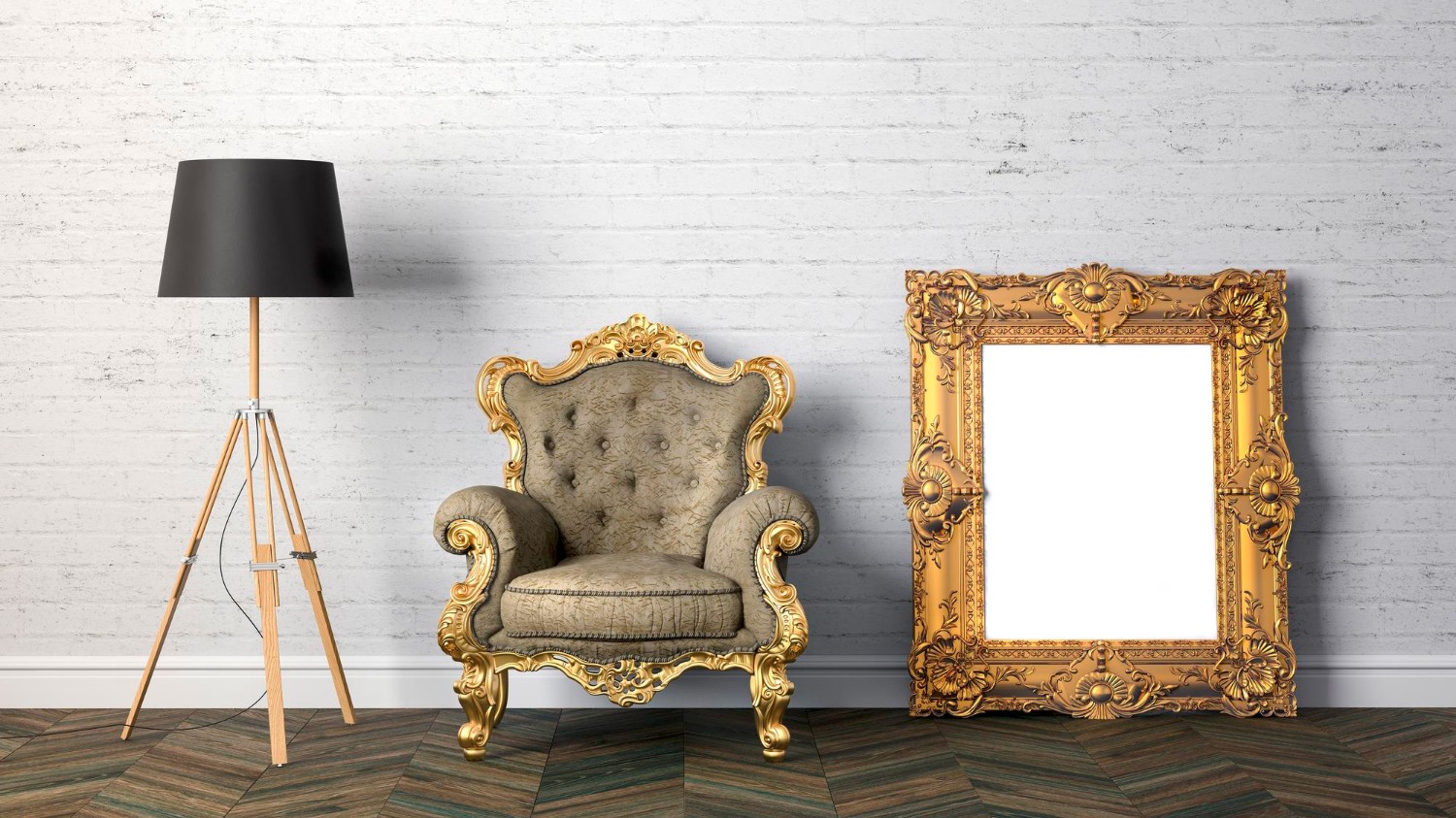
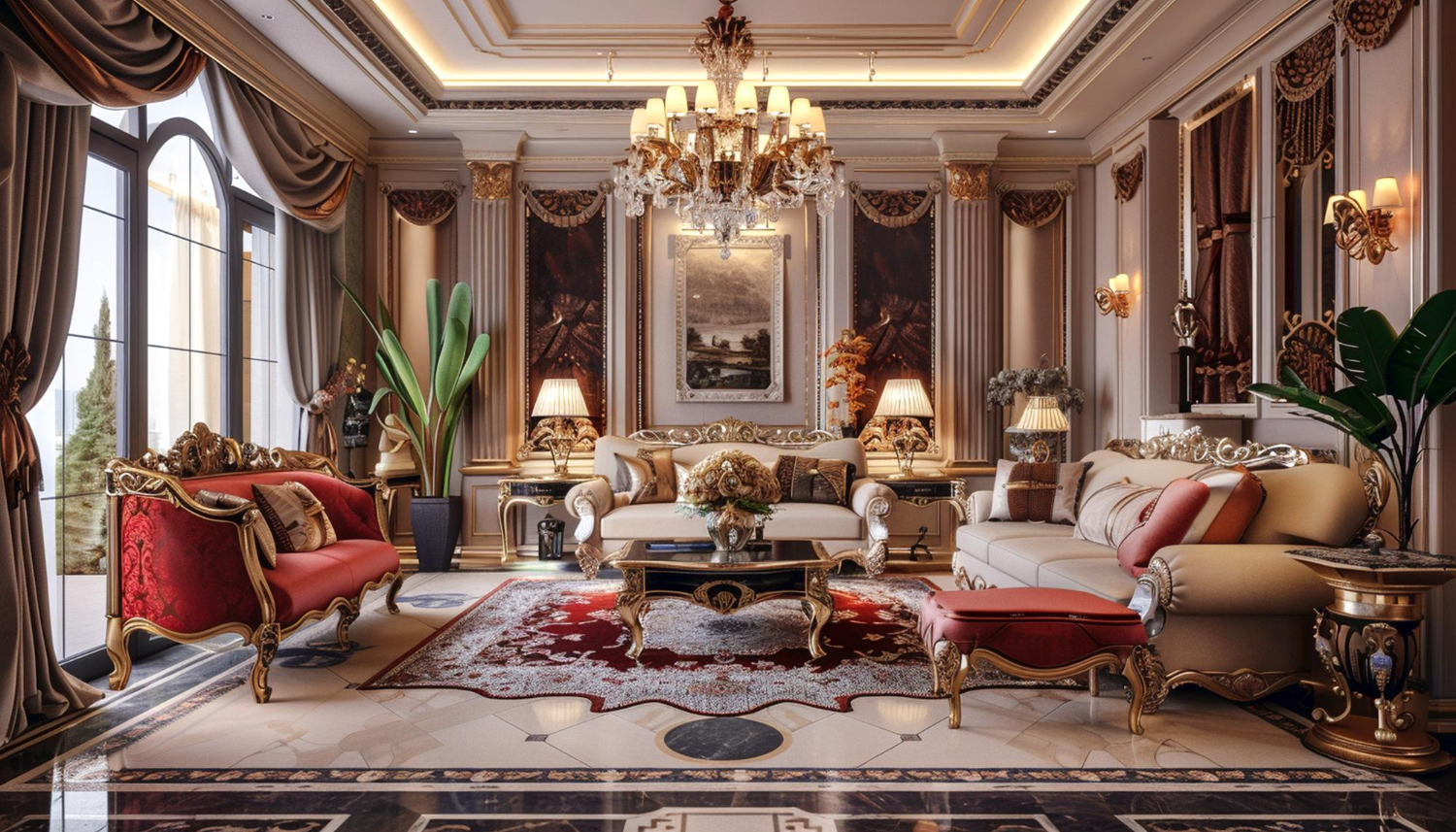
The Psychology of Sitting in Gold: How Baroque Chairs Change a Room’s Vibe

Luxury is not only seen. It is felt. The moment someone enters a room anchored by a gold Baroque chair, something shifts. The space feels heavier with presence, richer in meaning, and undeniably intentional. This is not accidental. Ornate seating—especially gilded Baroque chairs—has a deep psychological effect on how we perceive space, status, and even ourselves within a room. In this exploration, we look beyond surface beauty and uncover the gold baroque chair psychology—how form, color, and craftsmanship work together to transform mood, authority, and emotional response. If you’ve ever wondered why a single chair can redefine an entire interior, the answer lies in psychology as much as design.

Why Seating Is Psychological, Not Just Functional

Chairs are the most human piece of furniture. Unlike tables or cabinets, seating directly interacts with the body. Where and how we sit affects posture, perception, and behavior. This makes seating one of the strongest emotional anchors in any interior. When seating becomes ornamental—sculptural, elevated, and symbolic—it goes beyond comfort. It communicates hierarchy, intention, and identity. This is where Baroque chairs stand apart. Unlike modern minimalist seating designed to disappear into the background, Baroque chairs demand attention. Their presence signals that the room is not merely functional—it is curated. This is the foundation of luxurious seating psychology: furniture that shapes how people feel the moment they occupy a space.

Gold as a Power Color: What Our Brain Registers Instantly

Color psychology plays a central role in how we experience interiors, and gold is one of the most emotionally loaded hues in design history. Gold is associated with:

  • Power and authority
  • Achievement and legacy
  • Warmth combined with prestige
  • Celebration rather than restraint

Unlike yellow, which energizes, or brass, which feels industrial, gold carries a ceremonial weight. Our brains subconsciously associate gold finishes with value and rarity, which is why they have been used for centuries in palaces, thrones, and formal reception rooms. In the context of gold baroque chair psychology, the color doesn’t just decorate—it elevates. It makes the chair feel less like an object and more like a symbol. Placed in a room, a gold Baroque chair often becomes the emotional center of gravity, anchoring everything else around it.

Form Psychology: Why Baroque Shapes Feel Commanding

Beyond color, form plays an equally powerful psychological role. Baroque chairs are defined by:

  • Curved silhouettes
  • Elaborate carvings
  • Sculptural legs and arms
  • Symmetry balanced with movement

From a psychological perspective, curves suggest luxury and safety, while symmetry communicates order and authority. The elaborate detailing signals craftsmanship, which the brain associates with time, skill, and exclusivity. This combination explains the ornate furniture emotional impact. The chair doesn’t just fill space—it claims it. It subtly tells the sitter and the viewer that this is a place of importance. Where minimalist chairs encourage neutrality, Baroque chairs encourage presence.

How Baroque Chairs Change the Mood of a Room

The baroque style chair mood effect depends on placement and context, but the transformation is always noticeable. In living rooms, a gold Baroque chair introduces drama and hierarchy. Even in contemporary interiors, it creates a focal contrast that adds depth and narrative. In bedrooms or dressing areas, the same chair feels intimate yet indulgent—less about authority and more about personal luxury. In entryways or formal lounges, Baroque seating instantly signals status. Guests subconsciously adjust their posture and behavior around it, responding to the visual cue of importance. This is the subtle psychology of luxury: people don’t need to be told a space is premium—they sense it.

Craftsmanship as an Emotional Signal

One of the most overlooked psychological triggers in luxury furniture is craftsmanship. The human brain is highly sensitive to detail. Hand-carved elements, layered finishes, and sculpted frames communicate effort and permanence. Baroque chairs excel here. Their detailing tells a story of time invested, skills passed down, and design that resists trends. This creates emotional trust. People are more likely to value, respect, and preserve spaces that feel intentionally crafted. This reinforces the ornate furniture emotional impact—luxury that feels earned rather than manufactured.

Quick Personality Quiz: Which Baroque Chair Are You?

Let’s make this personal. Answer the questions below and see which Baroque seating style reflects your personality.

  1. How do you prefer to enter a room?
    A. Quietly, but with undeniable presence
    B. Confidently, commanding attention
    C. Elegantly, with refined charm
  2. Your ideal interior feels:
    A. Regal and composed
    B. Dramatic and bold
    C. Artistic and expressive
  3. Your style philosophy:
    A. Timeless over trendy
    B. Statement over subtle
    C. Detail over simplicity

    Mostly A: You gravitate toward classic gold Baroque armchairs with balanced detailing—commanding but composed.
    Mostly B: Ornately carved, throne-style Baroque chairs suit you—bold, sculptural, unapologetic.
    Mostly C: Curved, decorative Baroque chairs with expressive motifs reflect your artistic sensibility.

Why Designers Use Baroque Chairs as Emotional Anchors

Interior designers often use Baroque seating strategically. One statement chair can set the emotional tone for an entire room, allowing other elements to remain restrained. This is efficient luxury design: fewer pieces, higher impact. From a psychological standpoint, this works because the brain prefers clear focal points. A gold Baroque chair gives the eye a place to rest—and the mind a story to interpret. That story is always one of craftsmanship, history, and intentional excess.

Modern Spaces, Classic Psychology

Interestingly, Baroque chairs are increasingly used in modern interiors. The contrast amplifies their psychological effect. Against neutral walls or minimalist layouts, the ornate form feels even more powerful. This blend satisfies two emotional needs:

  • The modern desire for clarity and space
  • The human craving for richness and meaning

The result is a room that feels curated rather than styled—luxurious without being overwhelming.

Conclusion: Sitting in Gold Is a Psychological Experience

A gold Baroque chair does more than offer a place to sit. It changes posture, mood, and perception. It influences how a room is experienced and how people behave within it. By combining color psychology, sculptural form, and meticulous craftsmanship, Baroque chairs create an emotional resonance few furniture pieces can match. This is why they continue to appear in luxury interiors centuries after their origin. In the end, the psychology of sitting in gold is about identity. It reflects who you are, how you value space, and what you choose to express without saying a word. And that is the true power of luxurious seating psychology.

Mistakes People Make When Buying Baroque Furniture—and How to Avoid Them

Baroque furniture has an undeniable presence. Rich carvings, dramatic silhouettes, gilded finishes, and historical depth make it one of the most powerful design styles in luxury interiors. Yet that same intensity is also why many buyers regret their choices later. When baroque furniture is selected without the right understanding of scale, finish, and placement, it can quickly overwhelm a space rather than elevate it.

For homeowners, collectors, and buyers investing in baroque furniture for European villas, avoiding these common mistakes is essential. This guide breaks down where buyers often go wrong—and how to make confident, future-proof decisions that honor the elegance of baroque style rather than dilute it.

Mistake 1: Choosing the Wrong Scale for the Room

One of the most frequent errors with baroque style furniture is scale mismatch. Baroque pieces are inherently grand. Oversized armoires, heavily carved beds, or wide console tables demand breathing room. Placing them in compact rooms can make the space feel cramped and visually heavy.

How to avoid it:
Before purchasing, measure not only the room but also circulation space. Baroque furniture works best when there is negative space around it. In European villas with high ceilings and generous proportions, large pieces feel natural. In smaller rooms, choose slimmer silhouettes or select one hero piece instead of a full set.

A single baroque console or armchair can deliver impact without overpowering the room.

Mistake 2: Falling for Poor-Quality Finishes

Not all baroque furniture is created equal. Mass-produced versions often rely on artificial finishes, shallow carvings, or overly shiny gold tones that cheapen the entire interior. These shortcuts are especially visible under natural light.

How to avoid it:
Look closely at craftsmanship. Authentic baroque furniture features deep, hand-finished carvings, balanced proportions, and finishes that feel aged rather than glossy. Antique gold, soft patinas, and muted metallic tones age far better than bright, reflective coatings.

High-quality finishes don’t shout—they glow subtly and gain character over time.

Mistake 3: Over-Matching Everything

Another common mistake is buying complete, perfectly matched baroque sets—bed, nightstands, wardrobe, dresser, mirrors—all identical in finish and detailing. While symmetry is important in baroque interiors, over-matching removes depth and makes the room feel staged rather than lived-in.

How to avoid it:
Baroque design thrives on curated harmony, not duplication. Mix complementary pieces instead of identical ones. Pair a carved bed with simpler side tables, or balance an ornate armoire with understated seating.

This approach adds sophistication and prevents the space from looking like a showroom rather than a refined residence.

Mistake 4: Ignoring Lighting Conditions

Lighting is often an afterthought, but with baroque style furniture, it can make or break the room. Poor lighting exaggerates heaviness, flattens carvings, and makes finishes appear dull or harsh.

How to avoid it:
Use layered lighting. Combine ambient lighting with wall sconces, table lamps, or chandeliers that highlight carvings and textures. Warm light temperatures enhance gold finishes and wood tones, while overly cool lighting can make baroque pieces look lifeless.

In European villas, natural daylight paired with warm evening lighting creates the ideal balance for baroque interiors.

Mistake 5: Treating Baroque as a Theme, Not a Design Language

Many buyers approach baroque furniture as a theme—filling a room with ornate objects, heavy fabrics, and decorative excess. The result is often visual overload.

How to avoid it:
Think of baroque as a design language, not a costume. Let key pieces speak while the surrounding elements remain restrained. Neutral walls, controlled color palettes, and simple flooring allow baroque furniture for European villas to stand out with authority rather than chaos.

Restraint amplifies luxury.

Mistake 6: Forgetting Modern Comfort Expectations

While baroque furniture is rooted in history, modern living demands comfort. Buyers sometimes prioritize visual drama over usability, resulting in seating that looks impressive but feels impractical.

How to avoid it:
Choose baroque seating with updated ergonomics—proper seat depth, supportive cushioning, and durable upholstery. Modern craftsmanship allows classic forms to meet contemporary comfort without compromising aesthetics.

Luxury today is about experience, not just appearance.

Mistake 7: Placing Baroque Furniture in the Wrong Rooms

Not every room benefits equally from baroque design. Overusing baroque furniture throughout an entire home can feel repetitive and exhausting.

How to avoid it:
Use baroque pieces strategically. Entry halls, master bedrooms, formal living rooms, and dining spaces are ideal. Balance them with simpler furniture in private or functional areas to create rhythm throughout the home.

This contrast enhances the impact of each baroque element.

Mistake 8: Buying Without a Long-Term Vision

Impulse purchases are risky with high-investment furniture. Trends change, but baroque style furniture is timeless only when chosen thoughtfully.

How to avoid it:
Ask how the piece will age within your space. Will it still feel relevant in ten years? Will it adapt if surrounding décor evolves? Quality baroque furniture is an heirloom investment, not a seasonal statement.

Final Thoughts

Buying baroque furniture is as much about judgment as it is about taste. When chosen with care—proper scale, refined finishes, balanced combinations, and thoughtful lighting—it brings unmatched elegance and authority to interiors.

For those furnishing European villas or luxury residences, avoiding these common mistakes ensures that baroque furniture becomes a lasting asset rather than a costly regret. True baroque luxury isn’t about excess—it’s about mastery, balance, and timeless presence.

Mistakes to Avoid When Styling a Baroque Bed in Contemporary Interiors

The baroque bed—with its dramatic curves, intricate carvings, gilded accents, and imposing presence—can bring royal opulence to a contemporary bedroom. But blending this 17th-century grandeur with today’s clean lines, minimalism, and neutral palettes is tricky. One wrong move, and your luxurious focal point turns into a chaotic, overwhelming eyesore that screams “trying too hard.”

If you’re drawn to the drama of a baroque style bed but want it to feel sophisticated rather than dated or excessive in a modern interior, avoid these common baroque bed styling mistakes. Ignoring them could ruin the harmony of your space—and your sleep sanctuary.

1. Ignoring Scale: Choosing a Bed That’s Far Too Massive for the Room

The biggest fear? Your baroque bed dominating the room like an invading throne, leaving no breathing space for movement or other furniture.

Baroque beds are inherently grand—high headboards, elaborate footboards, wide proportions. In a small or medium-sized contemporary bedroom, an oversized piece crushes the flow, making the space feel cramped and claustrophobic instead of luxurious.

How to avoid it:

  • Measure twice: Ensure at least 60–75 cm of walkway space on each side and at the foot.
  • Opt for slimmer reproductions or custom baroque style beds with refined proportions rather than full Versailles replicas.
  • In compact urban apartments (common in Europe), choose a baroque bed with a lower headboard or one that emphasizes horizontal drama over vertical height.

A too-big bed doesn’t elevate elegance—it suffocates the room.

2. Over-Matching: Turning the Bedroom into a Full Baroque Theme Park

The second nightmare: Everything matches the bed so perfectly that the room feels like a museum exhibit rather than a livable, modern home.

Pairing a gilded baroque bed with matching carved nightstands, heavy drapes, ornate mirrors, and wall-to-wall brocade creates visual overload. In contemporary interiors, this “matchy-matchy” approach kills subtlety and makes the space feel heavy and outdated.

How to avoid it:

  • Use the bed as the statement piece and keep surrounding elements restrained—sleek modern bedside tables in matte black or walnut, simple linen bedding, minimalist lamps.
  • Introduce contrast: Pair ornate gold or silver detailing with crisp white walls, concrete floors, or industrial lighting.
  • Limit baroque elements to 1–2 key pieces (the bed + perhaps one accent chair or mirror) to let contemporary architecture breathe.

Over-matching doesn’t create luxury—it creates exhaustion.

3. Excessive Ornamentation: Layering Too Much Gold, Carving, and Texture

The ultimate styling trap: Piling on more gilt, velvet, fringes, tufting, and embellishments until the bed looks like it’s competing for attention rather than commanding it gracefully.

Excessive ornamentation in a contemporary setting amplifies every flaw—dust shows more, the room feels cluttered, and the bed overwhelms rather than enchants. What starts as “opulent” quickly becomes gaudy and tiring.

How to avoid it:

  • Choose a baroque bed with selective detailing—perhaps carved scrolls on the headboard but cleaner lines elsewhere.
  • Tone down upholstery: Opt for solid rich fabrics (deep velvet or silk) instead of busy patterns; avoid heavy fringes or excessive button tufting.
  • Balance with restraint: Use neutral or muted bedding, add subtle metallic accents elsewhere (e.g., a slim brass lamp), and let negative space highlight the bed’s beauty.

Too much ornamentation doesn’t say “royalty”—it says “overcompensation.”

Final Tips to Get It Right

  • Mix eras boldly but sparingly: Let the baroque bed contrast with mid-century chairs, Scandinavian textiles, or brutalist side tables.
  • Focus on lighting: Use soft, warm ambient light to highlight carvings without harsh shadows.
  • Test in person: Always see the bed in your space (or use AR tools) before committing—photos lie about scale.

Master these pitfalls, and your baroque style bed becomes a stunning, conversation-starting centerpiece that fuses historical drama with contemporary calm—without the fear of a decorating disaster.

How Baroque Style Furniture Transforms Interiors into Timeless Luxury

Baroque style furniture has an almost magnetic effect. Even for readers who don’t usually gravitate toward ornate design, something about its presence sparks curiosity. Why does it feel so powerful? How does it instantly elevate a room? And most importantly—how can it be used today without making a space feel outdated?

This guide explores how baroque style furniture works, why it continues to fascinate luxury homeowners, and how to use it intelligently in modern interiors.

How Baroque Furniture Creates Instant Visual Authority

Baroque furniture was originally designed for European palaces, where interiors needed to communicate power and permanence. That intent still shows today. Large proportions, curved silhouettes, and deeply carved frames naturally draw the eye and establish hierarchy within a space.

When placed correctly, baroque furniture gives a room structure. A carved sofa defines the living area. An ornate dining table anchors the space. Even a single baroque chair can command attention in a minimalist setting. This visual authority is what makes baroque furniture so compelling—it doesn’t ask for attention, it owns it.

How Craftsmanship Shapes the Baroque Experience

One of the most intriguing aspects of baroque style furniture is its craftsmanship. Unlike mass-produced modern furniture, baroque pieces rely on depth, texture, and hand-finished details.

Carved scrolls, floral motifs, and gilded accents are not surface decorations—they are structural elements of the design. This depth creates shadows and highlights that change throughout the day, giving the furniture a living, sculptural quality. The more you look, the more details you notice, which keeps the design engaging over time.

This is where curiosity turns into appreciation. Baroque furniture rewards close attention.

How Baroque Furniture Works in Modern Homes

A common misconception is that baroque style furniture only belongs in traditional or classical interiors. In reality, modern luxury homes often benefit the most from it.

In contemporary villas and penthouses, baroque furniture is used selectively. Clean walls, neutral colour palettes, and open layouts act as a backdrop, allowing ornate pieces to stand out without overwhelming the space. This contrast creates a curated, gallery-like effect that feels intentional rather than decorative.

The key is restraint. One or two statement pieces often have more impact than a fully baroque room.

How to Choose the Right Baroque Pieces

Choosing baroque style furniture is less about filling space and more about defining it. Start by identifying areas that feel visually empty or lack character. Entry halls, formal living rooms, and master bedrooms are ideal locations.

Scale matters. Larger rooms can accommodate bold designs with elaborate carving, while smaller spaces benefit from slimmer silhouettes with refined detailing. Finishes such as antique gold, soft metallics, or muted tones help integrate baroque furniture into a wider range of interior styles.

How Baroque Furniture Stands the Test of Time

Perhaps the most fascinating aspect of baroque furniture is its longevity. Trends come and go, but baroque design remains relevant because it is rooted in artistry rather than fashion.

High-quality baroque furniture ages gracefully. Over time, it gains character instead of losing relevance. For luxury homeowners and designers, this makes it a long-term investment rather than a temporary design choice.

Final Thoughts

Baroque style furniture continues to captivate because it engages both the eye and the imagination. It tells a story of heritage, craftsmanship, and confidence—while still adapting effortlessly to modern living.

When chosen and placed thoughtfully, baroque furniture doesn’t just decorate a space. It transforms it, leaving a lasting impression that feels rich, intentional, and unmistakably luxurious.

The Psychology of Baroque Design: Why Ornate Furniture Feels Powerful and Comforting

Luxury is not only something we see—it is something we feel. Few design styles demonstrate this more clearly than baroque furniture. With its dramatic curves, rich ornamentation, and commanding presence, baroque design has endured for centuries, not simply as an aesthetic choice, but as an emotional one. From grand palaces to refined modern interiors, luxury baroque furniture continues to evoke power, security, and comfort at a deeply psychological level.

Understanding why we are drawn to baroque design reveals how furniture influences mood, perception, and emotional well-being.

Baroque Design and the Psychology of Power

Baroque design emerged in 17th-century Europe as a visual language of authority, prestige, and permanence. Its scale was intentional. Oversized proportions, sculptural silhouettes, and bold symmetry communicated control and dominance—qualities historically associated with stability and leadership.

Psychologically, humans respond strongly to visual cues of strength and structure. When we encounter baroque furniture, the mind interprets its weight and presence as reassuring. A grand baroque sofa with carved wooden details and gold accents subconsciously signals permanence and protection. This is why such pieces feel powerful rather than overwhelming—they anchor a space and command attention without chaos.

Curves play a crucial role here. Unlike rigid minimal forms, baroque curves guide the eye smoothly, reducing visual stress while maintaining authority. The result is an environment that feels both commanding and composed.

Ornamentation as Emotional Security

Modern design often equates simplicity with sophistication, but the human brain does not always seek restraint. Ornamental detail, when done with balance, provides sensory richness that stimulates comfort and emotional engagement.

Intricate carvings, layered textures, and sculpted motifs found in luxury baroque furniture create visual depth. This complexity gives the brain more information to process, which can produce a sense of familiarity and warmth. Much like classical music or detailed artwork, ornamentation encourages lingering rather than quick consumption.

A finely detailed baroque armchair, for example, does more than offer seating. Its enveloping arms, sculpted backrest, and tactile finishes create a cocooning effect. Psychologically, this reinforces a sense of safety—an essential reason baroque seating often feels inviting despite its grandeur.

Gold Accents and the Perception of Value

Gold has long been associated with prosperity, divine power, and achievement. In baroque interiors, gold accents are never accidental. They reflect light, add warmth, and elevate perceived value.

From a psychological standpoint, gold triggers associations with success and reward. When incorporated into baroque furniture, it subtly reinforces feelings of confidence and self-worth. This is why a gilded baroque sofa or armchair can transform a room’s emotional tone, making it feel more aspirational and secure at the same time.

Importantly, baroque design balances gold with darker woods, rich fabrics, and sculptural forms. This contrast prevents overstimulation, allowing luxury to feel grounding rather than excessive.

Comfort Through Familiar Historical Symbolism

Humans find comfort in continuity. Baroque design references centuries of craftsmanship, tradition, and cultural heritage. This historical symbolism plays a powerful psychological role.

When surrounded by luxury baroque furniture, people often experience a sense of timelessness. These pieces feel “established,” not trend-driven. That permanence reduces decision fatigue and creates emotional stability within an interior. Unlike fleeting modern trends, baroque furniture reassures occupants that the space will remain relevant and dignified over time.

This is especially impactful in living rooms and lounges, where emotional relaxation matters most. A well-proportioned baroque armchair or sofa does not rush the eye—it invites pause, reflection, and presence.

Why Baroque Still Resonates in Modern Luxury Homes

Despite contemporary shifts toward minimalism, baroque design continues to thrive in luxury environments because it fulfills emotional needs that stripped-down interiors often overlook. Power, comfort, security, and emotional richness are universal human desires.

Today’s designers frequently blend baroque furniture with neutral backdrops or modern architecture, allowing ornate forms to stand out without overwhelming the space. In these settings, luxury baroque furniture becomes a focal point—emotionally anchoring the room while elevating its identity.

This fusion works because the psychology behind baroque design remains unchanged. Curves still soothe, ornamentation still comforts, and symbolic richness still reassures.

Conclusion: Luxury That Speaks to the Human Mind

The enduring appeal of baroque design lies far beyond decoration. Baroque furniture resonates because it speaks directly to human psychology—offering power without aggression and comfort without simplicity. Through curves, craftsmanship, and historical symbolism, luxury baroque furniture creates interiors that feel emotionally complete.

Whether it is a commanding baroque sofa or an inviting baroque armchair, these pieces do more than furnish a room. They shape how we feel within it—secure, confident, and deeply at ease. That emotional connection is why baroque design continues to captivate luxury interiors, century after century.

The Baroque Style Chair in the Home Office: Executive Grandeur

Across Europe, the home office has evolved into a refined, personal workspace—one that reflects authority, comfort, and taste. At the center of this evolution is the baroque style chair, reimagined as executive seating for luxury residences. When paired thoughtfully with modern desks, it delivers executive grandeur while maintaining everyday functionality within luxury home office design.

Why the Baroque Style Chair Belongs in the Executive Home Office

A baroque style chair is defined by its sculpted frame, high back, and commanding presence. Historically designed for nobility, it naturally conveys leadership and confidence—qualities that resonate strongly in a private office setting. In contemporary luxury home office design, these chairs act as visual anchors, transforming a simple workspace into a room of purpose and prestige.

Comfort Meets Authority

High-backed baroque chairs are not only expressive but practical. Generous padding, ergonomic proportions, and supportive backrests make a baroque style chair suitable for long working hours. Luxury shoppers increasingly seek seating that balances comfort with aesthetics, and this is where the baroque silhouette excels. In luxury home office design, comfort is no longer hidden—it is celebrated through craftsmanship.

Pairing Baroque Chairs with Modern Desks

The most compelling interiors blend contrast with cohesion. A baroque style chair placed behind a clean-lined contemporary desk creates a striking yet controlled composition. Modern desks in wood, glass, or matte finishes allow the detailing of the chair to stand out without visual competition. This balance is a defining principle of refined luxury home office design, especially in European apartments where space and clarity matter.

Creating a Statement Without Excess

In residential offices, restraint is key. One carefully selected baroque style chair is often enough to elevate the entire room. Neutral walls, minimal shelving, and soft lighting ensure the chair remains the focal point. Luxury interior designers frequently use this approach to achieve executive elegance while preserving the calm, uncluttered atmosphere expected in modern luxury home office design.

Ideal for Luxury Apartments and Private Properties

In luxury apartments, a baroque style chair introduces character without requiring architectural changes. Its sculptural presence defines the workspace within open-plan layouts. In private properties, especially villas or townhouses, baroque chairs reinforce a sense of legacy and personal success. In both contexts, luxury home office design benefits from the chair’s ability to communicate status subtly and effectively.

Materials, Craftsmanship, and European Taste

European buyers value authenticity and quality. A well-crafted baroque style chair—featuring carved wood frames, refined upholstery, and balanced proportions—aligns perfectly with this mindset. These details elevate luxury home office design beyond trends, offering pieces that feel timeless rather than decorative.

Executive Grandeur for Modern Living

The modern European home office is no longer purely functional. It is a reflection of identity, ambition, and lifestyle. Incorporating a baroque style chair allows luxury shoppers and designers to express executive presence within a residential setting. When integrated into thoughtful luxury home office design, it creates a workspace that feels powerful, comfortable, and unmistakably refined.

Lighting a Throne: Illumination Strategies for a Statement Baroque Chair

A baroque chair is never just a seat—it is an architectural sculpture, a historical reference, and a powerful visual anchor in luxury interiors. Whether placed in a private suite, a luxury apartment, or a grand lobby of a European hotel, this ornate piece deserves a lighting approach as thoughtful as its craftsmanship. Through a refined, strategic blend of luxury lighting design, designers can accentuate its carved details, emphasize rich upholstery, and create an atmosphere that commands attention.

Understanding the Drama of a Baroque Chair

A baroque chair naturally carries theatrical energy. Elaborate carvings, gilded trim, velvet or brocade upholstery, and dramatic silhouettes allow it to project authority in any setting. However, without proper lighting, much of this artistry fades into the shadows.

This is where luxury lighting design becomes essential. With the right illumination, every curve, contour, and relief can be highlighted, allowing the chair to function as a true throne within the interior.

Track Lighting for Sculptural Emphasis

Track lighting is one of the most effective ways to illuminate a statement baroque chair. Adjustable heads allow designers to direct beams precisely where the carvings are most intricate. A narrow spotlight positioned at a slight angle can:

  • Reveal depth in the wood carvings
  • Create shadows that enhance dimension
  • Draw the viewer’s eye to the chair instantly

Track systems are especially valuable in luxury lighting design for hotels and high-end apartments, where flexibility is key to adapting the mood or repositioning decor elements.

Accent Lamps for Soft Royal Glow

Accent lamps provide warmer, more intimate illumination, perfect for spaces where the baroque chair serves as a reading throne or decorative showpiece. Placing a lamp on a nearby console creates a gentle glow that washes over the upholstery and gilded accents.

Lamps with fabric shades, dimmable bulbs, or metallic bases fit beautifully into the world of luxury lighting design, adding both ambiance and sophistication. The soft, diffused glow enhances the chair’s tactile richness, allowing colours like ruby, emerald, or ivory to look even more luxurious.

Picture Lights for Museum-Level Display

For collectors and luxury homeowners who treat a baroque chair as an art object, picture lights are a refined choice. Mounted above or behind the chair, these slim fixtures project an even beam of light that:

  • Highlights the backrest carvings
  • Frames the silhouette like a gallery exhibit
  • Creates a dramatic focal point in hallways, salons, and hotel suites

Picture lights are a staple in luxury lighting design because they elevate decor into curated displays without overpowering the space.

Blending Layers for a True Baroque Atmosphere

The most successful lighting strategy is a layered one. Combining track lights for structure, accent lamps for warmth, and picture lights for precision allows every feature of the baroque chair to shine. This layered method is widely used across luxury interiors in Europe, especially in apartments and boutique hotels where atmospheric storytelling matters.

With thoughtful luxury lighting design, the chair becomes a theatrical presence—commanding attention in the day and glowing like a true throne at night.

A baroque chair thrives under intentional lighting. When paired with a sophisticated luxury lighting design, it transitions from decorative furniture into a centrepiece of royal elegance. For luxury shoppers and interior designers, mastering these lighting techniques unlocks the ability to create breathtaking rooms where history, craftsmanship, and atmospheric lighting coexist in perfect harmony.

Staging Success: Using Baroque Style Furniture to Elevate Property Value

In the competitive upper tier of the European real estate market, attracting high-net-worth buyers demands more than just impeccable location and construction; it requires selling a vision of exceptional lifestyle. For developers, investors, and property sellers, the strategic use of baroque style furniture is a proven tactic for luxury property staging that justifies premium pricing and accelerates sales.

This approach is rooted in psychology and visual metrics. By transforming a vacant space into a gallery of curated opulence.

Real Estate Strategy: The Value of Visual Authority

The inclusion of a few high-impact pieces of baroque style furniture communicates several immediate messages to a sophisticated buyer: history, permanence, and wealth. This is the difference between showing a house and showcasing a masterpiece.

  • Establishing Pedigree: Baroque design is inherently European, instantly lending a sense of tradition and permanence to a modern luxury apartment or living place. This visual authority helps anchor the luxury property staging strategy.
  • Justifying the Premium: A space featuring a grand gilded mirror or a meticulously carved occasional chair signals that the property is finished to an investment-grade standard. This quality link helps justify higher asking prices and aligns the cost with the buyer’s expectation of ultimate luxury.

Metrics of High-Impact Staging

Effective luxury property staging relies on selecting pieces that deliver maximum visual return with minimal clutter.

1. The Single Statement Piece Rule

Instead of overfilling the space, focus on one or two dominant examples of baroque style furniture per main room.

  • The Focal Point: A console table with deep, elaborate carvings placed in the entryway, or a spectacular, high-backed baroque style furniture settee in the living room. These focal points immediately capture the eye, demonstrating bespoke taste and acting as an emotional anchor for the potential buyer.

2. The Materiality Metric

High-net-worth buyers recognize quality. When using baroque style furniture for staging, authenticity matters.

  • Gold Standard: Ensure gilt elements utilize genuine gold leaf, which reflects light with a warmth and depth that metallic paint cannot replicate under photography or in person. This detail is paramount in reinforcing the luxury property staging narrative.
  • Fabric Selection: Choose sumptuous, high-end fabrics like silk damask or high-thread-count velvet for upholstery, ensuring they look rich and feel luxurious. This tactile element enhances the overall perception of the property’s quality.

By strategically employing authentic baroque style furniture, property staging evolves from simple decoration into a sophisticated real estate strategy that successfully attracts the target demographic and validates the highest asking prices.

Black Lacquer & Gold: The Modern, High-Contrast Baroque Furniture Look

The Baroque period, a time of artistic and architectural flourishing across Europe, is being radically redefined by avant-garde European designers. Moving beyond traditional wood stains and velvet drapes, a striking new trend has emerged: the marriage of classic baroque furniture silhouettes with bold, high-gloss black lacquer and crisp gold accents.

This dramatic aesthetic is not a rejection of heritage; it is a powerful stylistic reinterpretation. It allows designers to inject the extravagance of the 17th century into the sleek lines of contemporary luxury living, creating interiors defined by unapologetic, high-contrast interior design.

Styling Innovation: The Power of Monochromatic Drama

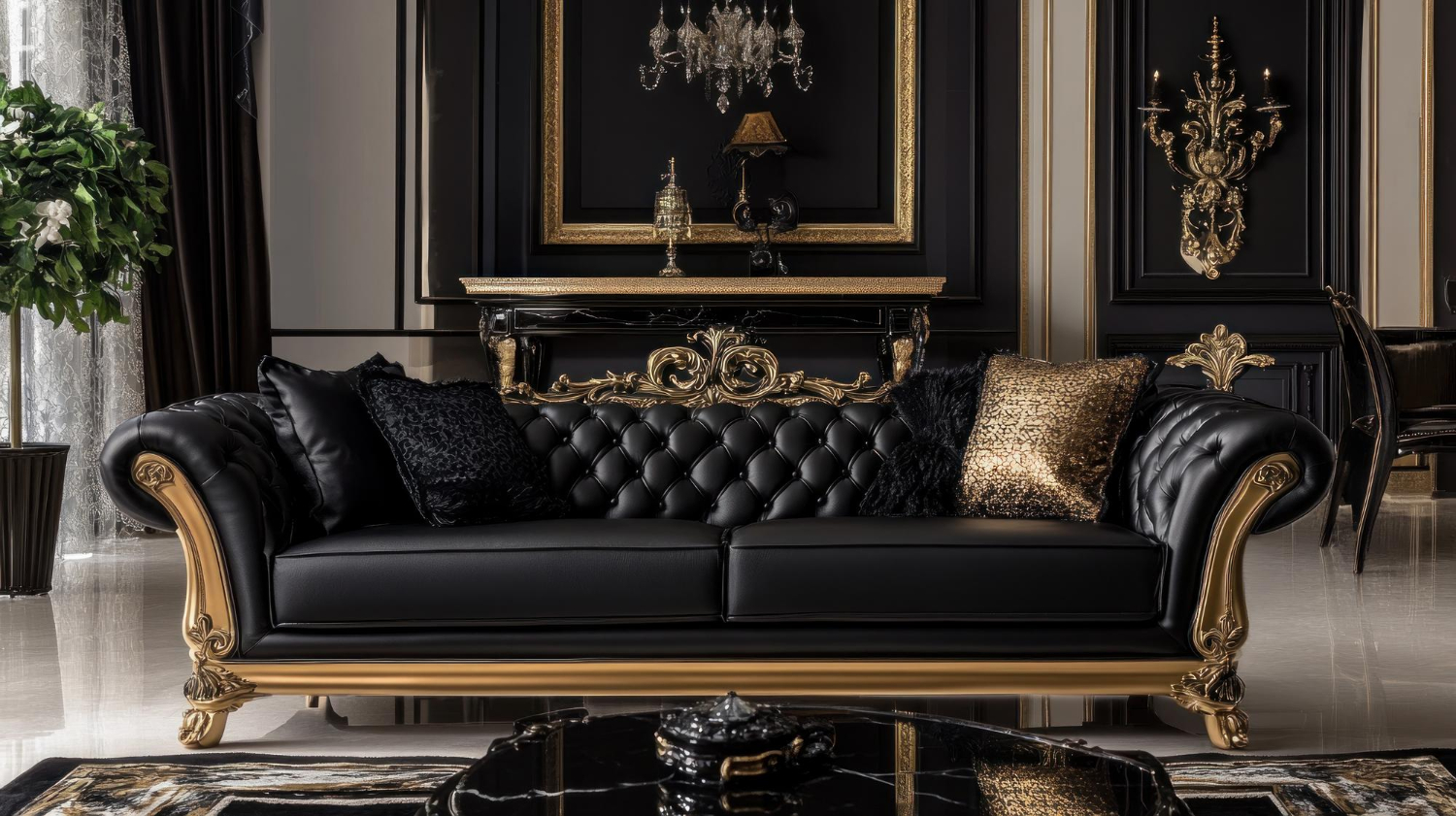
The use of black lacquer on traditionally carved baroque furniture instantly modernizes the piece, transforming it from a historical relic into an editorial-worthy statement. The deep, reflective black eliminates the visual softness of wood grain, emphasizing only the sculptural form and the play of light.

  • Sculptural Focus: A black lacquered commode, for instance, allows the intricate curves and volutes to stand out sharply against a lighter wall. This stark contrast turns the piece into a piece of high-contrast interior design art, perfect for luxury apartments and living places.
  • The Gold Ratio: The gold element—ideally applied via authentic gold leaf—is essential. It is typically reserved for the ornamental carvings, the feet, or the drawer pulls. The small surface area of the gold is amplified by the intense black backdrop, delivering maximum impact with minimal application on the baroque furniture. This ensures the opulence remains refined, not overwhelming.

Achieving Editorial-Worthy High Contrast

For luxury homeowners and investors in baroque furniture, achieving this refined, dramatic look involves more than just selecting the right colour. It’s about materiality and texture, which elevates the piece to true high-contrast interior design.

1. The Finish: Gloss vs. Matte

The choice of lacquer finish determines the atmosphere. A high-gloss black reflects light brilliantly, enhancing the drama and adding a distinctly modern, polished edge. A satin or matte black provides a deeper, quieter sophistication, making the room feel more grounded. Both, however, serve as the perfect foil for gold in achieving the modern Baroque aesthetic.

2. Upholstery for Impact

For seating (such as a black and gold occasional chair or sofa), the upholstery should complement the stark contrast. Consider deep, plush black velvet, which absorbs light, or a crisp white linen or ivory leather. These materials enhance the high-contrast interior design theme and provide a sensual texture against the hard lacquer and gold of the baroque furniture. When used in a luxury apartment, the combination speaks volumes about the owner’s sophisticated taste.

By embracing this bold palette and applying precision in materials, designers are proving that baroque furniture is not bound by history, but is an evolving canvas for sophisticated, contemporary expressions of luxury.